Dream Home Roofers
1-855-610-9720
Get Free Estimate 1-855-610-9720
Free Estimate 1-855-610-9720
  • About us
    • Reviews
    • Careers
    • Financing
    • Blogs
    • FAQS
  • Services
    • Roofing
      • Replacement
      • Inspection
    • Gutters
      • Gutter Protection
    • Windows
  • Service Area
    • Turnersville, NJ
    • Voorhees, NJ
    • West Caldwell, NJ
    • King of Prussia, PA
    • Scranton, PA
    • Wilkes-Barre, PA
    • Laurel, MD
    • Fairfax, VA
    • Glen Allen, VA
    • Wilmington, DE
  • Current Specials
  • Contact Us
  • Menu Menu
Act Now to Get Our Current Offers. Click here for details.
roofing contractor

Why Hiring a Certified Roofing Contractor in Fairfax Protects Your Home and Budget

in Roofing/by Dream Home Roofers

Living in Fairfax, VA, brings seasonal storms, humidity, and temperature swings that affect roof performance over time. A certified roofing contractor protects your home and budget with proper installation and reliable materials.

Certified professionals apply manufacturer standards and proven methods. This approach improves durability and lowers the risk of early replacement or costly repairs.

Key Takeaways

  • Hiring a certified roofing contractor in Fairfax prevents damage caused by poor installation.
  • Verified credentials confirm the roofer meets industry standards and follows manufacturer guidelines.
  • A proper roof inspection can catch early issues before they become expensive problems.
  • Strong roofing warranties in Fairfax, VA, add protection for your long-term investment.

How Certified Fairfax Roofers Prevent Costly Damage and Repairs

Certified contractors follow installation standards required by major manufacturers and local codes. In Northern Virginia, these standards address wind uplift, moisture control, and ventilation to extend the roof’s lifespan, especially during a roof replacement that requires precision and proper system integration.

Proper Installation Techniques Reduce Early Failures

Certified professionals install roofing systems according to manufacturer specifications. This approach limits leaks, shingle blow-offs, and structural problems. Storms and high winds are common in the area.

Proper installation keeps the system secure and prevents early failure.

Accurate Roof Inspections Identify Hidden Problems

A thorough roof inspection in Fairfax goes beyond a surface check.

Certified contractors assess ventilation, flashing, and underlayment. Early detection helps homeowners fix issues before they cause widespread damage or interior water intrusion.

High-Quality Materials Improve Long-Term Durability

Certified contractors select materials rated for local wind zones and moisture exposure. These products resist wind-driven rain and seasonal expansion and contraction.

Proper material selection reduces granule loss, seal failure, and weather-related wear.

Compliance With Local Building Codes Prevents Liability

A licensed roofer in Fairfax follows local building codes and permitting rules, including Fairfax County permitting requirements. This ensures each project meets safety and legal standards.

Proper compliance helps homeowners avoid fines, delays, and issues during future property sales.

Manufacturer Certification Supports Stronger Warranties

Certified contractors can register manufacturer-backed warranties that include extended labor coverage. These agreements define installation standards, inspection requirements, and claim procedures.

Clear warranty terms reduce out-of-pocket costs if defects or installation errors occur.

What to Check Before Hiring a Roofing Contractor in Fairfax

Selecting a contractor requires verifying credentials, local experience, and documented processes. A focused review helps homeowners avoid delays, failed inspections, and rework costs.

Verified Credentials And Certifications Matter Most

Homeowners should confirm Fairfax roofing contractor credentials, including licensing and manufacturer certifications, using tools like the Virginia Department of Professional and Occupational Regulation license lookup. These credentials verify training, safety compliance, and adherence to specified installation methods.

Experience With Local Weather Conditions Is Essential

A Northern Virginia roofing contractor must account for regional weather patterns. These include heavy rain, wind gusts, and freeze-thaw cycles.

Local experience guides material choice and fastening methods that hold up over time, including protective upgrades like gutter guard systems that help manage water flow and reduce long-term roof wear.

Clear Scope Of Work Prevents Miscommunication

A contractor should provide a detailed scope before work begins. The document should list materials, timelines, and installation steps. Clear expectations prevent change orders and keep the project on schedule.

Warranty Coverage Should Be Clearly Defined

Roofing warranties in Fairfax vary by manufacturer and installer. Homeowners should review material and labor coverage, including exclusions and transfer terms. Clear details ensure full protection over the warranty period.

Inspection Process Should Be Thorough And Documented

A professional roof inspection in Fairfax should include photos and written findings. Documented evidence supports accurate estimates and helps homeowners decide on the replacement scope.

Lock in Manufacturer-Backed Protection With a Certified Roofing System Installed Right the First Time

Dream Home Roofers provides certified roofing systems built for long-term performance. This approach provides manufacturer-backed protection and avoids risks associated with poor installation. A properly installed roof improves durability and protects your investment from future costs.

For guidance tailored to your home, contact us today to schedule a consultation.

Frequently Asked Questions

What should I look for in a licensed roofer?

Homeowners should verify licensing, insurance, and manufacturer certifications when hiring a contractor. These qualifications confirm that the roofer meets safety standards and has the training to install roofing systems correctly and reliably.

How does a roof inspection help prevent damage?

A professional roof inspection identifies leaks, ventilation issues, and damaged shingles early. Addressing these problems helps prevent structural damage and reduces the risk of costly repairs or full replacement.

Are roofing warranties really important?

Roofing warranties cover material defects and installation issues. Strong coverage protects homeowners from unexpected repair costs, especially after severe weather events in the region.

How do I know if I need storm-damage roofing services?

Storm damage signs include missing shingles, leaks, and visible debris impact. A certified contractor can assess the damage and recommend whether replacement or further action is necessary.

https://dreamhomeroofers.com/wp-content/uploads/2025/03/allstar_services3-1.jpg 1000 1500 Dream Home Roofers https://dreamhomeroofers.com/wp-content/uploads/2024/09/dhr-logo.png Dream Home Roofers2026-04-30 05:01:272026-04-30 07:44:11Why Hiring a Certified Roofing Contractor in Fairfax Protects Your Home and Budget
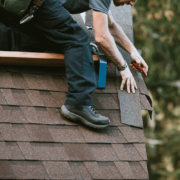
An image of a construction worker inspecting a roof, preparing for a roof replacement.

What a Professional Roof Inspection Report Reveals About Hidden Damage in Scranton Homes

in Roofing/by Dream Home Roofers

A professional roof inspection report reveals issues that are not visible at a glance. In Scranton, PA, seasonal weather brings snow, ice, and heavy rain that damage areas beneath shingles and inside attic spaces.

These reports clearly document problems and help homeowners understand risks early, enabling them to make informed decisions before conditions worsen.

Key Takeaways

  • A professional roof inspection report reveals structural and moisture-related issues that may be hidden from view.
  • These findings clarify the severity of damage and support timely decisions on roof replacement.
  • Detailed documentation strengthens roof inspection reports used for insurance claims and improves claim accuracy.
  • Routine inspections reduce long-term damage caused by snow, ice, and seasonal storms.

Hidden Roof Problems a Scranton Inspection Report Can Uncover

Scranton’s climate creates conditions that lead to roofing problems over time. Inspection findings highlight issues often overlooked during ground-level checks after winter storms and the region’s common seasonal freeze-thaw conditions, especially when reviewing roof inspection reports that document hidden damage.

Moisture Intrusion Beneath Shingles

Moisture often develops under asphalt shingles after repeated freeze-thaw cycles, common in winter. Inspection findings reveal soft decking, trapped water, or early-stage rot that remains hidden from view but weakens structural integrity.

Storm Damage That Is Not Immediately Visible

A storm damage roof report often highlights subtle damage from wind or hail. Granule loss, lifted edges, and minor impact marks may appear minor, but they reduce the lifespan of the roofing system when left unaddressed.

Attic Ventilation and Insulation Imbalances

Attic and ventilation inspection findings reveal airflow problems that lead to condensation buildup. Poor ventilation traps heat and moisture, increasing the risk of mold growth and accelerating shingle deterioration.

Flashing Failures Around Roof Penetrations

Inspection findings identify deteriorated flashing around chimneys, vents, and skylights. These areas allow water entry, and even small gaps can cause interior damage over time if left unresolved.

Early Signs of Structural Decking Weakness

Inspection findings may reveal sagging or uneven decking beneath roofing materials. Prolonged moisture exposure often causes this condition and requires careful evaluation before planning a full roof replacement to address underlying structural concerns.

When Scranton Homeowners Should Act on Inspection Findings

Inspection findings provide clear next steps, and timing is critical. Prompt action helps prevent more extensive damage and higher replacement costs.

After Severe Weather Events in Northeastern Pennsylvania

Heavy snowfall, ice dams, and strong windstorms often cause damage that worsens over time. Prompt action helps prevent leaks and protect the home’s interior structure.

When Leaks or Interior Stains Appear

Water stains on ceilings or walls often signal roof damage, and roof leak documentation becomes essential at this stage because it helps confirm the source and extent of the issue and identify drainage problems that may benefit from gutter protection systems designed to reduce water intrusion.

Before Filing an Insurance Claim

A detailed roof inspection report provides accurate documentation of damage for insurance claims. Reviewing findings before submitting a claim improves clarity and helps reduce delays during the process.

When Buying or Selling a Home in Scranton

Inspection findings support transparency during real estate transactions. Addressing findings early helps prevent negotiation delays and sets clear expectations for both buyers and sellers.

When the Roof Approaches the End of Its Lifespan

As asphalt roofing systems age, inspections often reveal widespread wear. Early action allows homeowners to plan replacement before unexpected failures occur.

Clear Answers From a Certified Roof Inspection Before Damage Spreads

Dream Home Roofers provides clear inspection reports that help homeowners understand hidden damage before it becomes a larger structural concern, delivers certified evaluations backed by industry-recognized materials and standards, and supports confident next steps.

Contact us to schedule a comprehensive inspection and review your roof’s condition.

Frequently Asked Questions

What does a roof inspection checklist in Pennsylvania include?

A roof inspection checklist used in Pennsylvania typically includes shingle condition, flashing integrity, ventilation performance, and structural assessment. It also reviews drainage systems and identifies signs of roof damage that may require further action.

How to read a roof inspection report?

A roof inspection report outlines observed damage, affected areas, and recommended next steps. Homeowners should review severity ratings, photos, and notes related to structural or moisture issues to understand the urgency of each finding.

When should a roof inspection be scheduled in Scranton?

Roof inspections are typically recommended after severe weather events and at least once a year. Seasonal evaluations help identify damage caused by snow, ice, and storms before conditions worsen.

Can a roof inspection report help with insurance claims?

A roof inspection report for insurance claims provides detailed documentation of damage. It supports claim accuracy by outlining the extent of issues and offering clear evidence that aligns with insurer requirements.

https://dreamhomeroofers.com/wp-content/uploads/2024/10/An-image-of-a-construction-worker-inspecting-a-roof-preparing-for-a-roof-replacement.-1.png 1000 1500 Dream Home Roofers https://dreamhomeroofers.com/wp-content/uploads/2024/09/dhr-logo.png Dream Home Roofers2026-04-27 23:15:322026-04-27 23:41:35What a Professional Roof Inspection Report Reveals About Hidden Damage in Scranton Homes
A roofing contractor conducting a final inspection of a newly installed roof.

Avoid Costly Mistakes: 10 Questions to Ask Exterior Contractors Before You Hire Them

in Roofing/by Dream Home Roofers

Laurel, MD, homeowners often view exterior renovations as major financial investments. These projects affect long-term protection, comfort, and property value. Understanding which exterior contractor questions to ask helps control costs and avoid costly mistakes before work begins.

Key Takeaways

  • Clear exterior contractor questions to ask help Laurel homeowners avoid poor workmanship and prevent costly mistakes.
  • Verified insurance coverage, valid licenses, and building codes compliance protect both homeowners and their property.
  • Defined project timeline expectations, detailed estimates, and structured payment terms create realistic expectations.
  • Reviewing completed roofing and gutter projects in Laurel strengthens confidence when choosing a contractor.

Key Questions Laurel Homeowners Should Ask Exterior Contractors

These essential questions create clarity before construction begins. They are especially helpful when planning projects like roof replacement, roof inspections, or gutter upgrades. 

They also help identify contractors who understand Laurel’s permit process and local building codes. Homeowners comparing options for roof replacement should confirm local experience and communication standards.

Are You Properly Licensed and Insured in Maryland?

As contractors serving Laurel, MD, we know proper licensing and insurance are legal requirements. Maryland requires contractors to follow the guidelines set by the Maryland Home Improvement Commission. 

Homeowners should confirm that contractors carry both workers’ compensation and liability insurance coverage. Homeowners can verify these credentials through the Maryland Department of Labor. Proper coverage protects both the homeowner and the crew during roofing or gutter installation work.

How Many Similar Projects Have You Completed in Laurel?

Experience with similar homes directly influences project durability and performance. Ask how many roofing or gutter projects the contractor completed in Laurel. 

Confirm they have handled roof replacement, roof inspections, or gutter installations on comparable homes. Homes with similar roof size or structure provide the best comparison. Local experience also shows familiarity with Maryland weather and building codes compliance.

Can You Provide References and Examples of Past Work?

Reputable contractors maintain records of completed projects and satisfied homeowners. Reviewing past projects in Laurel helps evaluate craftsmanship and long-term performance. Look for examples of roofing systems, gutters, and drainage improvements installed several years ago.

 Mid-Atlantic weather conditions provide a strong durability test. Speaking with previous homeowners can reveal communication habits, scheduling accuracy, and professionalism.

What Roofing or Gutter Materials Do You Recommend and Why?

Material selection affects durability, maintenance needs, and long-term value. Professional contractors should clearly explain roofing shingles, underlayment systems, and gutter protection options. 

These materials must perform well against wind, rain, and seasonal temperature changes. The discussion should also address lifespan and moisture resistance. Protective systems such as gutter guards can improve drainage and reduce maintenance.

Who Will Manage the Job Site Each Day?

Clear supervision prevents confusion and construction delays. Ask whether a dedicated project manager will oversee daily work at your Laurel property. 

Contractors managing multiple projects should explain how they coordinate crews and schedules. Defined communication expectations help prevent misunderstandings. Consistent oversight also protects your property during the entire project.

What Is the Estimated Project Timeline and Completion Date?

A realistic project timeline helps homeowners plan responsibly. Contractors should provide a written schedule before work begins. Maryland weather conditions can affect roofing projects and installation timelines.

Contractors may also recommend a detailed roof inspection before major work begins. Clear completion expectations reduce stress and prevent disputes later.

How Do You Handle Permits and Local Building Codes?

Exterior construction projects in Laurel must follow permit requirements and building codes. Responsible contractors manage the permit process and ensure compliance with building codes. 

Homeowners can review requirements through the Maryland Building Codes Administration resources. Local permit guidance is also available on the City of Laurel Permits page. Proper permits prevent inspection failures and protect resale value.

What Does Your Detailed Estimate Include?

A detailed estimate prevents confusion about total project costs. Contractors should clearly list labor, roofing materials, and gutter components. The estimate should also include the removal of old materials and the disposal of debris.

Additional services should appear clearly in the written proposal. Detailed estimates help homeowners compare contractors fairly in Laurel.

What Are the Payment Terms and Schedule?

Professional contractors outline payment terms tied to project milestones. Homeowners should avoid companies requesting large upfront payments. Materials and work progress should determine payment stages.

A structured payment schedule improves accountability and transparency. Clear financial expectations strengthen trust throughout the project.

What Warranties and Long-Term Protection Do You Offer?

Warranty coverage strongly influences long-term protection and value. Ask about manufacturer warranties for roofing shingles and gutter systems.

Contractors should also explain their workmanship warranty coverage.

These protections address potential installation issues that may arise after the project is completed. Strong industry-leading warranties signal confidence in materials and installation quality.

How to Compare Answers and Make a Confident Decision

After collecting answers, homeowners should evaluate each contractor carefully. Structured comparisons make the selection process easier and more objective.

Look for Consistency in Communication and Transparency

Communication style often reflects how a contractor manages projects. Evaluate how clearly each company explains timelines, responsibilities, and roofing materials. Transparent answers usually indicate preparation and reliability. Consistent communication also reduces misunderstandings during construction.

Evaluate Professionalism and Documentation

Review licensing records, insurance certificates, and written estimates carefully. Organized documentation suggests operational stability and experience in Maryland. Contractors should clearly explain building code compliance and permit responsibilities.

Proper documentation also reduces the risk of disputes.

Assess Experience with Similar Homes and Materials

Contractors with relevant experience often deliver more consistent results. Compare each company’s history with roofing systems and gutter installations. Ask how many similar projects the contractor completed in the Laurel area.

Experience with comparable homes improves reliability and performance.

Confirm Clear Expectations Before Work Begins

Homeowners should confirm expectations before signing a contract. Review the project timeline, supervision plans, and payment schedule carefully. These details should appear clearly in the written agreement.

Clear expectations prevent confusion and costly mistakes later.

Take the Next Step Toward a Confident Exterior Upgrade in Laurel

Dream Home Roofers provides certified expertise for roofing and gutter projects in Laurel, MD. Our team focuses on careful planning, clear communication, and high-quality materials. These standards help protect your home and long-term investment. Homeowners planning roof replacement or gutter protection upgrades can move forward confidently.

Contact us to schedule a consultation.

Frequently Asked Questions

What should I check before hiring an exterior contractor in Laurel, MD?

Confirm the contractor holds valid Maryland licenses and insurance coverage. Ask about recent roofing or gutter projects completed in Laurel. Review detailed estimates and confirm the contractor will handle permits.

How can I tell if a contractor is reputable?

Reputable contractors provide written agreements and clear project documentation. They clearly explain timelines, payment terms, and roofing materials. A strong track record in Laurel also supports credibility.

Why is it important for contractors to handle permits?

Permits ensure that roofing or gutter work complies with Laurel building codes. Projects without permits may fail inspections or delay home sales. Experienced contractors manage permits and coordinate inspections properly.

How do warranties protect my roofing investment?

Manufacturer warranties cover defects in roofing shingles or gutter systems. Workmanship warranties address installation issues after the project is completed. Strong warranties help homeowners protect long‑term roofing performance.

https://dreamhomeroofers.com/wp-content/uploads/2025/03/A-roofing-contractor-conducting-a-final-inspection-of-a-newly-installed-roof.-1.png 1000 1500 Dream Home Roofers https://dreamhomeroofers.com/wp-content/uploads/2024/09/dhr-logo.png Dream Home Roofers2026-04-15 02:02:552026-04-27 23:29:11Avoid Costly Mistakes: 10 Questions to Ask Exterior Contractors Before You Hire Them
A roofing contractor installing 30-year shingles on a home.

How to Spot and Avoid Common Roofing Scams in the Delaware Valley & Mid-Atlantic

in Roofing/by Dream Home Roofers

Delaware Valley homeowners face unique roofing challenges. Severe weather, coastal storms, snow, and high winds cause real roof damage that requires professional attention. Unfortunately, these same conditions attract roofing scams that target homeowners at vulnerable moments.

Understanding roofing scams to avoid for homeowners in the Delaware Valley helps protect your home, your insurance claim, and your investment in a new roof.

Key Takeaways

  • Roofing scams increase after severe weather, especially when storm chasers go door-to-door offering free inspections.
  • Large down payments, high-pressure tactics, and vague contracts are major warning signs of dishonest contractors.
  • Homeowners should verify a roofing contractor’s licenses, liability insurance, and Better Business Bureau ratings before hiring.
  • Never agree to commit insurance fraud or waive your insurance deductible to secure a “free roof” offer.

Key Warning Signs of Roofing Scams in the Mid-Atlantic

Roofing fraud follows patterns. Knowing the warning signs helps you avoid costly mistakes.

Door-to-Door Contractors After Severe Weather

After a major storm in the Delaware Valley, out-of-state contractors often canvass neighborhoods claiming they noticed roof damage.

The Federal Trade Commission warns homeowners about storm chasers and home improvement scams, which frequently spike after severe weather. While legitimate roofing companies may offer inspections, storm chasers rely on high-pressure tactics and demand that work begin immediately.

As a local service provider, we recommend scheduling a documented evaluation through a professional roof inspection rather than trusting unsolicited door-to-door visits.

Large Down Payment Requests Before Work Begins

A significant red flag in common roofing scams is a contractor requesting a large down payment before materials arrive or work begins.

Reputable companies tie payment to clear project milestones. When a roofing contractor demands full payment upfront without proof of materials, homeowners risk unfinished work or disappearing contractors, especially when discussing a full roof replacement.

Offers to Waive Your Insurance Deductible

Some unethical roofers offer to waive or absorb your insurance deductible to secure the job. This is an insurance fraud scam that can create legal and financial consequences. Insurance companies require policyholders to pay their deductible.

The National Association of Insurance Commissioners explains why deductible rebates can be illegal and harmful to homeowners. Work only with reputable companies that follow insurance guidelines and document every insurance claim properly.

Vague Contracts and Missing Business Information

Dishonest contractors often present contracts that lack critical details. Missing information may include the scope of work, shingle brand, materials, timeline, or warranty coverage. Delaware Valley homeowners should expect clear documentation outlining exactly what will be installed and when the project will finish.

A legitimate roofing contractor provides proof of licensing and liability insurance before any agreement is signed and explains related exterior options, such as gutter guards, when appropriate.

Unrealistic Free Roof or Cheap Materials Claims

Advertisements promising a free roof or unusually low costs often hide shortcuts in labor or cheap materials. Those materials frequently fail prematurely. Promotions should never compromise product quality or installation standards.

As an Owens Corning Platinum Preferred Contractor serving the Mid-Atlantic region, we focus on long-term value, proper shingle installation, and manufacturer-backed warranties. Homeowners can review general roofing standards and consumer guidance through the National Roofing Contractors Association.

Steps Delaware Valley Homeowners Should Take Before Hiring

Careful research protects your home and your finances. These steps help you avoid roofing scams and roofing fraud.

Verify Licensing and Insurance Coverage

Before hiring a roofing contractor, confirm proper state licensing and active liability insurance. This protects homeowners if property damage or injuries occur during the project.

Reputable roofing companies provide documentation upon request and display license numbers clearly. This is especially important in communities such as Turnersville and King of Prussia.

Check Online Reviews and Better Business Bureau Ratings

Online reviews reveal how contractors handle customer concerns. Many homeowners skip this step. Researching a company through the Better Business Bureau can highlight unresolved complaints or repeated issues.

Consistent positive feedback and professional responses show accountability and credibility.

Request a Detailed Written Estimate

A detailed estimate should list shingles, underlayment, ventilation components, cleanup procedures, warranty coverage, and total costs. It should also explain how the contractor will manage your insurance claim.

Clear documentation prevents misunderstandings before work begins. This matters when coordinating exterior upgrades such as new energy-efficient windows.

Avoid High-Pressure Sales Tactics

If a contractor insists you sign immediately or claims a deal expires that day, treat it as a red flag. Reputable roofing companies allow time for comparison and second opinions. Thoughtful decisions reduce the risk of hiring shady contractors or falling victim to common roofing scams.

Schedule a Professional Roof Inspection

A legitimate free roof inspection includes a documented review of shingles, flashing, ventilation, and visible roof damage. You should receive photos and a clear explanation of the findings.

Reliable roofers prioritize education over fear-based selling. Learn more about what a professional roofing inspection includes.

Protect Your Home with a Trusted Roofing Partner

Roof replacement is a major investment. Choosing the right roofing contractor makes a measurable difference.

If you suspect roofing fraud or want a second opinion on storm-related roof damage, choose a company committed to transparency and certified installation standards. Dream Home Roofers serves homeowners throughout the Delaware Valley and the Mid-Atlantic region with professional roof replacement and gutter services backed by a Lifetime Labor Warranty.

Our team conducts thorough inspections and provides detailed written estimates. We work directly with your insurance company when appropriate. We do not perform temporary roof repair work. We never encourage insurance fraud or unethical shortcuts.

Contact us to schedule your free roof inspection.

Frequently Asked Questions

How do roofing scams typically start in the Delaware Valley?

Roofing scams often begin after severe weather when contractors go door-to-door offering free inspections. Some exaggerate roof damage or pressure homeowners to file an insurance claim quickly. Always verify credentials and request written documentation before signing a contract.

Is waiving my insurance deductible considered insurance fraud?

Yes. Waiving or absorbing your insurance deductible may qualify as insurance fraud. Homeowners are responsible for paying their deductible. Agreeing to bypass that requirement can lead to denied claims or legal consequences.

What should a legitimate roofing estimate include?

A legitimate estimate lists materials, shingle brand, ventilation upgrades, timeline, payment schedule, warranty coverage, and total costs. It should clearly state whether the project involves a full roof replacement or another defined scope of work.

How can I avoid hiring dishonest contractors after a storm?

Research roofing companies before hiring. Verify licenses, check online reviews, confirm liability insurance, and request references. Taking time to compare reputable companies helps you avoid roofing scams and protect your new roof.

https://dreamhomeroofers.com/wp-content/uploads/2025/01/A-roofing-contractor-installing-30-year-shingles-on-a-home.-1.png 1000 1500 Dream Home Roofers https://dreamhomeroofers.com/wp-content/uploads/2024/09/dhr-logo.png Dream Home Roofers2026-04-02 01:58:082026-04-27 23:29:20How to Spot and Avoid Common Roofing Scams in the Delaware Valley & Mid-Atlantic
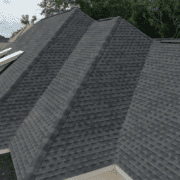
An architectural drawing of a hip roof design.

Master Your Roofing Estimate: What Every Delaware Valley Homeowner Should Know

in Roofing/by Dream Home Roofers

Understanding a roofing estimate breakdown for homeowners in the Delaware Valley is critical before approving a roof replacement. A roofing project affects your home’s structure, insurance coverage, and long-term value.

Every roofing estimate should explain roofing materials, labor costs, and warranty terms clearly. When you review the estimate carefully, you protect your investment and avoid expensive repairs.

Key Takeaways

  • A roofing estimate breakdown for homeowners in Delaware Valley, PA must outline materials and labor, permits, and cleanup.
  • Comparing multiple roofing estimates requires reviewing material costs, workmanship warranty coverage, and total price.
  • Local building codes affect roof installation, attic ventilation, and necessary permits.
  • Reputable roofing contractors provide liability insurance, workers’ compensation, and clear payment schedule details.

Key Line Items in a Delaware Valley Roofing Estimate

A detailed roofing estimate should define every part of the roofing system. This is especially important for a full roof replacement.

Tear-Off and Disposal of Old Roofing Materials

A proper tear-off removes old roofing materials down to the roof decking. This step allows us to inspect the existing roof and roof structure thoroughly. Your estimate should confirm waste hauling services and protection from falling debris.

Removing the old roof ensures the new roof installation starts on a stable surface.

Roof Decking Inspection and Replacement

A roofing estimate must include a professional roof inspection before the roofing project begins. We examine roof decking for moisture damage or weak sections. Unit pricing for replacement should be listed to prevent potential hidden fees.

This ensures the roof is installed properly and safely.

Roofing Materials and Shingle Specifications

Your roofing quote should list all roofing materials used in the project. This includes asphalt shingles, architectural shingles, underlayment, drip edges, pipe boots, ridge vents, and box vents. Some homeowners compare asphalt shingles with metal roofing or other roofing materials.

Manufacturer guidelines from organizations like the National Roofing Contractors Association support proper installation standards.

Labor Costs and Installation Scope

Labor costs should clearly describe installation steps, materials, and labor responsibilities. Flashing installation, attic ventilation, and final inspection must be included. We follow manufacturer specifications from trusted brands such as Owens Corning.

Serving communities like Turnersville, NJ, and the greater Delaware Valley, we ensure compliance with local building codes.

Necessary Permits and Code Compliance

Every roof installation in Delaware Valley, PA must follow local building codes. Necessary permits should appear within the roofing estimate. This protects your insurance policies and confirms that the roof replaced meets inspection standards.

Code requirements also apply in areas near King of Prussia, PA.

Warranty Terms and Workmanship Protection

Your estimate should define the manufacturer’s warranty coverage and workmanship warranty terms. Strong warranty terms reflect quality workmanship and properly installed roofing shingles. Coverage extends the roof’s life and reduces the risk of poor workmanship.

How to Compare Bids and Plan Your Next Steps

When reviewing multiple roofing estimates, compare details carefully. Focus on scope, not just numbers.

Look Beyond the Total Price

Most homeowners focus on total cost first.

However, roof replacement costs depend on square footage, the roof’s size, and material costs. A low roofing quote may exclude ridge vents or drip edges. Review each roofing estimate breakdown for homeowners in Delaware Valley line by line.

Verify Insurance and Contractor Credentials

Reputable roofing contractors provide proof of liability insurance and workers’ compensation. Confirm coverage before the roofing project begins. This protects against injuries, falling debris, and insurance coverage disputes.

Evaluate the Scope of Work and Materials

Confirm whether asphalt shingles, architectural shingles, or metal roofing are included. Compare materials and labor side by side. Quality materials improve energy efficiency and help the roof accurately resist wind-driven rain.

Some homeowners also upgrade with gutter guards or energy-efficient windows.

Understand the Payment Schedule and Additional Costs

A reputable roofing company provides a written payment schedule.

The estimate should explain how additional costs are calculated if damaged shingles or decking are discovered. Clear documentation prevents misunderstandings and protects your significant investment.

Confirm Project Timeline and Final Inspection

Ask when the roof installation will start and how long it will take.

A final inspection confirms the roofing system meets manufacturer and local requirements. Properly installed ventilation and flashing extend the roof’s life.

Schedule Your Delaware Valley Roof Inspection Today

A new roof is a major decision for most homeowners. Careful review of the roofing estimate protects your home from storm damage and wind-driven rain.

If you are comparing multiple roofing estimates, work with experienced professionals at Dream Home Roofers. We provide detailed inspections, clear documentation, and transparent communication.

Contact us to schedule your roof inspection and receive a comprehensive roofing quote.

Frequently Asked Questions

What should a roofing estimate include in Delaware Valley?

It should include tear-off, disposal of old roofing materials, roof decking inspection, materials and labor, necessary permits, warranty terms, and total cost details.

How many roofing estimates should I get?

Most homeowners request at least three roofing estimates from reputable contractors. Comparing scope, roofing materials, and workmanship warranty terms supports informed decisions.

Do roofing contractors handle permits in Delaware Valley, PA?

Yes. Reputable roofing contractors secure necessary permits and ensure compliance with local building codes before the roofing project begins.

Can roof replacement costs change after the project begins?

Yes. Additional costs may apply if damaged shingles or roof decking are discovered during the tear-off. A detailed roofing estimate should explain pricing adjustments cle

https://dreamhomeroofers.com/wp-content/uploads/2025/01/An-architectural-drawing-of-a-hip-roof-design.-1.png 1000 1500 Dream Home Roofers https://dreamhomeroofers.com/wp-content/uploads/2024/09/dhr-logo.png Dream Home Roofers2026-03-30 06:42:202026-04-16 06:22:56Master Your Roofing Estimate: What Every Delaware Valley Homeowner Should Know
Hail Damage

Debunking Common Hail Damage Misconceptions Before Your Next Storm Claim

in Roofing/by Dream Home Roofers

Confusion about hail-damage myths and facts for roofs in Scranton, PA, often derails insurance claims. Many homeowners struggle to distinguish true hail damage from normal wear caused by freeze-thaw cycles and seasonal temperature swings. 

This uncertainty delays repairs and complicates the claims process. Clear, practical information helps protect both your roof and your insurance coverage.

Key Takeaways

  • Hail damage is not always visible, so a professional roof inspection improves accuracy.
  • Even small hail can leave impact marks and hidden damage on common roofing materials.
  • Thorough documentation strengthens your insurance claim and supports a well-documented case.
  • Experienced professionals carefully assess roof damage and clearly outline the necessary repairs.

What Hail Damage Really Looks Like on Scranton Homes

Northeastern Pennsylvania’s weather places unique stress on roofing systems. Winter snow loads, spring storms, and summer hail events affect shingles in different ways. 

A closer inspection by a trusted roofing professional confirms whether the roof sustained actual storm damage.

Impact Marks on Asphalt Shingles

Asphalt shingles often show dark, round impact marks after a hail storm. These impact marks indicate possible damage to your roof and its structural integrity. Hail strikes displace granules and expose the mat beneath asphalt shingles. 

Unlike gradual wear from UV rays, hail strikes feel soft under light pressure. Small cracks may radiate from the point of impact. These cracks can lead to water damage if left untreated. A qualified person should inspect your roof to accurately identify hail damage. 

An untrained eye may overlook hidden damage or confuse it with aging. Experienced roofing professionals understand how severe weather affects roofing systems.

Granule Loss Versus Normal Wear

Granule loss does not automatically indicate actual hail damage. Older roofs often lose granules due to weather conditions and prolonged exposure to heavy rain. True hail damage creates random impact zones rather than uniform wear. 

These concentrated areas often show visible damage and small cracks. During a professional inspection, we physically inspect the surface for storm patterns. 

We compare suspected hail strikes with surrounding shingles to confirm significant damage. This step prevents unnecessary roof repairs or claims filed without evidence.

Damage to Metal Roofing and Flashing

Metal roofing reacts differently during a hail storm. Small hail can create dents that appear minor but still affect performance. Larger hail strikes may compromise seams, fasteners, and flashing details. High winds during the same storm may worsen these weak points. 

Dents in metal roofing often support claims for wind or hail damage. A roofing contractor must determine whether the dents are cosmetic or functional damage. That evaluation influences whether permanent repairs or a new roof are necessary.

Hidden Damage Beneath the Surface

Not all hail damage is immediately visible. Hidden damage can develop beneath shingles or around penetrations. 

Moisture intrusion may weaken decking and reduce structural integrity over time. Leaks inside the attic may not appear until months later. Water stains on ceilings often indicate earlier storm damage. 

A qualified person can inspect your roof and attic spaces to identify potential damage. Early detection prevents further damage and costly repairs.

Collateral Damage to Gutters and Siding

Gutters and siding often show clear signs after a hail storm. Impact marks on downspouts and soft metals help confirm the direction of hail strikes. 

Damage to gutters frequently supports a valid insurance claim. Many homeowners overlook these areas during the claims process. However, adjusters review collateral damage when evaluating damage claims. 

Consistent dents across the property strengthen documentation when filing claims arising from severe weather.

How to Document Roof Damage Before Filing a Claim

Begin documenting damage once conditions are safe. Prompt action preserves time-sensitive evidence after severe weather. Clear records reduce disputes during the claims process.

Schedule a Professional Roof Inspection Promptly

Schedule a professional roof inspection as your first step. Many insurance companies require a qualified person to inspect the roof physically. 

A roofer’s inspection report confirms actual hail damage and missing shingles. Detailed findings improve communication with your insurance adjuster. 

Clear documentation supports a valid insurance claim and avoids unnecessary minor repairs.

Take Clear and Dated Photographs

Photograph all visible damage across the roof and property. Capture asphalt shingles, metal roofing, wood shakes, gutters, and siding. Include interior water stains or leaks inside living spaces. Dated images help establish a clear timeline for the insurance company. Proper photos strengthen the claims process and reduce disputes with many insurance companies.

Avoid Temporary Fixes That Obscure Damage

Temporary repairs can interfere with filing claims. Replacing damaged shingles before inspection may conceal evidence of actual hail damage. 

Insurance companies may question the repair process if evidence disappears. Use protective coverings only to prevent further damage during severe weather. Permanent repairs should wait until the insurance adjuster completes the inspection.

Review Your Insurance Policy Carefully

Review your insurance policy before filing claims. Some states prohibit insurance companies from denying valid insurance claim coverage without proper justification. 

Understand how your policy handles wind damage claims and hail damage. Many insurance companies outline deadlines for reporting storm damage. Careful review prepares you for discussions with the insurance adjuster.

Be Present During the Insurance Adjuster Visit

Be present when the insurance adjuster inspects your roof. A roofing contractor should point out impact marks and potential damage. 

Together, you can determine whether the damage warrants roof repair or a full roof replacement. Clear communication reduces confusion during damage claims and the overall claims process.

Schedule a Storm Damage Inspection Before Minor Issues Spread

Dream Home Roofers provides detailed storm damage evaluations that identify hidden hail damage before it threatens structural integrity. 

A timely inspection delivers clear documentation and practical guidance about your roof’s condition in this region’s demanding climate. Early action strengthens your insurance claim and helps limit long-term repair costs. 

If your property was affected by severe weather, protect it through a thorough assessment. Contact us to schedule your inspection today.

Frequently Asked Questions

How can I tell if hail caused damage to my roof?

Hail damage often appears as impact marks, granule loss, or small cracks on asphalt shingles. Metal roofing may show dents from hail strikes. A qualified professional can inspect your roof to identify hail damage accurately. Professional documentation supports a valid insurance claim.

Can small hail still result in a valid insurance claim?

Yes, small hail can still cause significant damage to roofing materials. Repeated hail strikes may weaken shingles and lead to water damage. Even minor repairs may qualify under certain insurance policy terms. A roofer’s inspection report helps confirm whether filing claims is appropriate.

Should I call my insurance company before getting a roof inspection?

It is often best to have a qualified person inspect your roof first. This step confirms actual hail damage before contacting your insurance company. Clear findings improve discussions with the insurance adjuster. It also prevents unnecessary damage claims on your record.

What happens if I delay filing claims after a hail storm?

Delaying the filing of claims can complicate the process. Continued exposure to heavy rain and severe weather may cause further damage. Hidden damage can worsen and increase costly repairs. Prompt action protects your property and strengthens your insurance claim.

https://dreamhomeroofers.com/wp-content/uploads/2026/02/Hail-Damage.jpeg 561 1000 Dream Home Roofers https://dreamhomeroofers.com/wp-content/uploads/2024/09/dhr-logo.png Dream Home Roofers2026-03-15 09:22:272026-04-16 06:31:59Debunking Common Hail Damage Misconceptions Before Your Next Storm Claim
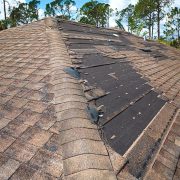
A construction worker repairing a wind-damaged roof, showcasing the repair process.

Storm-Proof Roofing Strategies to Stop Water Damage After Wind Uplift

in Roofing/by Dream Home Roofers

Strong windstorms in Laurel, MD often arrive with heavy rain and sudden pressure changes that lift shingles and expose vulnerable areas of a roof. When wind uplift occurs, even small openings can allow water intrusion that spreads into attics, walls, ceilings, and wall cavities. Many homeowners do not notice this roof damage right away, especially when missing shingles or granule loss are not visible from the ground, which increases the risk of mold growth, moisture buildup, and costly interior repairs.

Understanding how storm-proof roofing strategies work helps protect your home and reduce water damage before the next rainfall.

Key Takeaways

  • The risk of water damage after wind uplift in Laurel is closely tied to installation quality, roofing materials, and how well shingles resist strong winds and heavy rain.
  • Missing or damaged shingles, loose flashing, and damaged gutters are common storm damage issues that allow water intrusion into roofing systems.
  • Professional roof inspections after high winds help identify visible damage and hidden issues before they lead to expensive repairs or insurance claims.
  • Timely repairs and roof replacements using high-quality materials play an essential role in protecting homeowners and keeping the home safe year-round.

Storm-Proof Roofing Tactics that Block Water after Wind Uplift

These strategies focus on limiting water intrusion at the roof level before moisture reaches insulation, walls, or ceilings.

Wind-Resistant Shingle Installation

Professional installation methods are critical for asphalt shingles in Laurel, MD, because strong winds can weaken the adhesive strip, causing shingles to lift or go missing.

When installers fail to seal shingles correctly, water can travel beneath the surface, making complete roof replacement an essential consideration after severe wind uplift and storm damage.

Secure Roofing Materials and Components

A roofing system functions as a complete unit rather than a collection of separate parts. High-quality materials, including underlayment, flashing, ridge vents, and fasteners, must work together to prevent water buildup and reduce further damage after high winds impact the roof.

Proper Flashing Around Roof Penetrations

Flashing around chimneys, vents, and skylights plays a vital role in preventing water intrusion after storms. Damaged flashing can allow moisture to reach the roof deck and siding, especially during heavy rain driven by strong winds, which increases the risk of leaks and interior water stains.

Ridge Vents and Proper Ventilation

Ridge vents and balanced ventilation help regulate attic pressure and moisture levels during storms. Proper ventilation limits uplift forces on shingles and reduces moisture that can lead to mold growth, insulation damage, and long-term roofing problems.

Gutter and Drainage System Performance

Gutters and downspouts that collect debris or are not working correctly can cause water to back up along the roof edges. After a recent storm, missing or damaged gutters and protective systems like gutter guards increase the likelihood of water intrusion, damaged siding, and moisture near windows and foundations.

Planning Inspections and Repairs After Laurel Windstorms

A clear inspection and repair plan helps homeowners address roofing needs quickly and avoid expensive repairs after wind damage.

Scheduling a Professional Roof Inspection

Professional roof inspections allow a trusted roofing company to identify missing shingles, damaged shingles, granule loss, and roof repair needs that may not be visible from the ground. These inspections play a vital role in preventing water damage after wind uplift in Laurel.

Documenting Visible and Hidden Storm Damage

Wind damage is not always easy to spot, especially when leaks appear later as water stains on ceilings or walls. Documenting visible damage while relying on a professional inspection helps homeowners support insurance claims and prevent minor issues from turning into extensive damage.

Understanding Repair Versus Replacement Decisions

Some roofing systems can be addressed with minor repairs, while others require roof replacements to restore curb appeal and protect the home. Clear communication about roofing needs, material condition, and long-term performance helps homeowners make informed decisions without hidden fees.

Coordinating Insurance Claims With Accurate Information

Insurance claims often follow major storms with high winds. Clear documentation, professional inspection reports, and honest communication help ensure claims reflect the full scope of roof damage and reduce delays before repairs begin.

Have Your Roof Checked before Wind Damage Turns into Interior Leaks

Dream Home Roofers works with homeowners to identify wind-related roof issues before they cause water damage, moisture problems, or further damage during the next rainfall. After strong winds, a professional inspection helps determine whether shingles, flashing, or roofing materials have shifted and may allow water intrusion.

If you want clear answers about your roof’s condition, contact us to schedule an inspection and understand what your roof may need moving forward.

Frequently Asked Questions

How can wind uplift lead to water damage in Laurel?

Wind uplift can loosen or remove shingles, allowing water to enter during heavy rain and storms. Once water penetrates roofing systems, moisture can spread into insulation, ceilings, and walls, increasing the risk of mold growth and interior damage.

What are common signs of roof damage after a windstorm?

Common signs include missing shingles, damaged flashing, granule loss, leaks, water stains on ceilings, and damaged gutters. Some roof damage may not be visible without a professional inspection.

Why are professional roof inspections necessary after high winds?

Professional inspections help identify roof damage, water intrusion points, and roofing repair needs before further damage occurs. Early inspections also support insurance claims and timely repairs.

When should a homeowner consider a roof replacement instead of repairs?

A roof replacement may be necessary when storm damage affects large areas of the roof or when roofing materials can no longer protect the home. A professional roofing company can evaluate the roof and recommend the best solution to keep the home safe.

https://dreamhomeroofers.com/wp-content/uploads/2025/01/A-construction-worker-repairing-a-wind-damaged-roof-showcasing-the-repair-process.-1.png 1000 1500 Dream Home Roofers https://dreamhomeroofers.com/wp-content/uploads/2024/09/dhr-logo.png Dream Home Roofers2026-02-26 00:54:482026-02-26 00:55:16Storm-Proof Roofing Strategies to Stop Water Damage After Wind Uplift
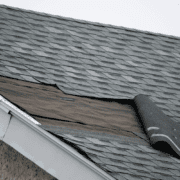
A roof featuring a compromised shingle alongside noticeable damage across the roof structure

What Causes Roof Granule Loss in Delaware Valley and When It Signals a Serious Problem

in Roofing/by Dream Home Roofers

Roof granule loss often starts quietly, with many homeowners in the Delaware Valley and the Mid-Atlantic first noticing a few granules in gutters after heavy rain. While minor granule loss is normal for asphalt shingles, excessive or uneven granule shedding can expose the asphalt layer, reduce shingle performance, and increase the risk of roof leaks.

Knowing when granule loss is expected versus when it signals a larger issue helps homeowners protect their roof’s lifespan and plan next steps with confidence.

Key Takeaways

  • Granule loss is normal in small amounts, especially on older roofs, but excessive granule loss signals a higher risk.
  • Severe weather, foot traffic, and poor attic ventilation accelerate premature granule loss.
  • Bald spots and exposed asphalt reduce shingle performance and shorten the roof’s lifespan.
  • Regular roof inspections help homeowners determine when granule loss becomes a serious issue.

Common Causes of Roof Granule Loss Homeowners Should Know

Granule loss happens for different reasons depending on roof age, installation quality, and environmental exposure. In the Delaware Valley and the Mid-Atlantic, several causes appear more frequently due to regional weather patterns and housing styles. 

Understanding each factor helps explain why shingles lose granules and when concern is justified, especially for homeowners weighing maintenance versus long-term roof replacement decisions.

Natural Shingle Aging and Normal Wear

Asphalt shingles are designed to shed a few granules as they age, particularly during the first year after a new roof installation and again as the roof approaches the end of its lifespan. UV rays gradually dry out the asphalt layer, loosening protective granules over time.

In Mid-Atlantic climates, this normal wear is often observed during a professional roof inspection.

Severe Weather and Storm Exposure

High winds, heavy rain, hail, and snowstorms, common across the Mid-Atlantic, can dislodge granules from the shingle surface.

After storms, homeowners often notice granules in gutters or around downspouts. This runoff highlights why gutter guards can help manage loose granules while maintaining proper drainage during severe weather.

Foot Traffic and Improper Roof Access

Foot traffic places concentrated pressure on shingles, especially during warm months when the asphalt coating softens. Granules loosen most often around vents, chimneys, and roof edges.

This pattern is frequently seen on homes throughout Turnersville, NJ, where seasonal exterior projects increase rooftop access.

Poor Attic Ventilation and Heat Buildup

Poor attic ventilation traps heat and moisture beneath the roof deck, baking shingles from below and accelerating granule shedding. Over time, this leads to uneven shingle aging and premature granule loss.

Homes in West Caldwell often experience this issue due to older ventilation designs.

Manufacturing Defects or Installation Issues

Even high-quality roofing materials can experience premature granule shedding if manufacturing defects or improper installation occur. Shingles installed outside recommended temperature ranges may not seal correctly. 

In these cases, homeowners sometimes evaluate other exterior components, such as windows, to confirm overall installation quality.

How to Judge Severity and Next Steps for Mid-Atlantic Homes

Not all granule loss requires immediate action.

Understanding how much granule loss is present, where it appears, and how it affects shingle performance helps homeowners avoid unnecessary worry while preventing further damage.

Distinguishing Minor Granule Loss From Significant Damage

A few granules in gutters after heavy rain usually indicate normal wear.

Excessive granules, bald spots, or exposed asphalt signal significant granule loss that reduces water-shedding ability and UV protection.

Identifying Bald Spots and Exposed Asphalt

Bald spots expose the asphalt coating beneath shingle granules.

Without this protective layer, shingles deteriorate faster, increasing the risk of roof leaks and surrounding shingle damage.

Understanding How Roof Age Affects Decision Making

Roof age strongly influences next steps. Older roofs with excessive granule loss often require replacement, while newer roofs may point to ventilation or installation-related issues.

Knowing When a Professional Roof Inspection Is Needed

Sudden granule loss after storms or widespread shedding across multiple roof sections warrants a professional inspection. Early evaluation helps prevent costly repairs later.

Get Professional Guidance For Granule Loss Concerns

If you notice granules in gutters, bald spots, or exposed asphalt, getting clear answers matters. Dream Home Roofers provides certified roof inspections across the Delaware Valley and the Mid-Atlantic, focusing on long-term roof performance rather than temporary fixes.

Contact us to schedule a free roof inspection.

Frequently Asked Questions

Is roof granule loss always a sign of a problem?

Granule loss is normal in small amounts. It becomes concerning when excessive granules, bald spots, or exposed asphalt appear.

How much granule loss is considered too much?

Large accumulations of granules in gutters or visible bare areas on shingles indicate excessive granule loss.

Can granule loss be repaired without replacing the roof?

Minor granule loss cannot be reversed, but addressing ventilation issues may slow further loss. Advanced damage often requires replacement.

How often should Mid-Atlantic homeowners inspect their roofs?

Roof inspections are recommended annually and after major storms to monitor granule loss and shingle condition.

https://dreamhomeroofers.com/wp-content/uploads/2024/11/Image-1-min.jpg 533 800 Dream Home Roofers https://dreamhomeroofers.com/wp-content/uploads/2024/09/dhr-logo.png Dream Home Roofers2026-02-16 21:14:382026-02-26 00:54:37What Causes Roof Granule Loss in Delaware Valley and When It Signals a Serious Problem
Roof tarping

How Emergency Tarping Protects Your Delaware Valley Home After Storm Damage

in Roofing/by Dream Home Roofers

Storms move quickly through the Delaware Valley. High winds, heavy rain, and falling debris can leave homeowners dealing with sudden roof damage and active leaks. Emergency roof tarping provides immediate protection when severe weather strikes and your roof can no longer keep water out.

This temporary solution helps limit further damage, protect interior spaces, reduce water intrusion, and give homeowners time to plan permanent repairs without added stress.

Key Takeaways

  • Emergency roof tarping creates a temporary barrier that blocks rain and helps prevent further roof damage after a storm.
  • Professional roof tarping protects roof decking, insulation, and interior areas from costly secondary damage.
  • Acting quickly after sudden storm damage can help reduce repair costs and support smoother insurance claims.
  • Emergency tarping is a short-term, reliable temporary solution that buys time before roof replacement or other permanent repairs.

How Emergency Tarping Shields Delaware Valley Homes After Storms

Severe weather in the Delaware Valley often causes sudden and unpredictable roof problems, especially in communities such as Turnersville and West Caldwell. Emergency roof tarping is designed to stabilize a storm-damaged roof and protect the home until permanent repairs can be completed.

Immediate Protection Against Water Intrusion

Emergency roof tarping creates a secure temporary roof cover that blocks rain, snow, and debris from entering the home. By sealing exposed areas caused by missing shingles, broken shingles, or damaged roofing materials, tarps help prevent roof leaks, ruined drywall, mold growth, and damage to personal belongings while severe weather conditions continue.

This temporary barrier also supports overall roof protection and helps protect gutter systems, including homes that rely on added protection from gutter guards.

Reduced Risk of Structural Damage

When water reaches the roof decking, it can weaken the structure and lead to further deterioration and costly repairs. Professional emergency tarping limits prolonged moisture exposure, helping preserve roof decking, framing, and structural components until a permanent fix is scheduled. 

This step is especially important for Delaware Valley homes that may later require a full roof replacement due to major storm damage.

Protection From Wind-Driven Debris and UV Exposure

High winds can lift loose materials and worsen existing roof damage. Properly installed emergency tarps are secured with roofing nails and designed to prevent wind from lifting exposed edges.

Heavy-duty tarps also shield vulnerable areas from UV exposure, which can break down roofing materials and nearby exterior features such as siding and windows.

Safer Alternative to DIY Tarping

Storm-damaged roofs are often unstable, especially on steep roofs or homes with structural damage.

Professional tarping crews use proper safety equipment and follow proven tarp installation methods, ensuring secure tarps remain in place during additional severe weather events.

What Homeowners Should Do Next After Emergency Tarping

Once temporary protection is in place, the next steps focus on long-term roof protection, insurance coordination, and planning permanent repairs.

Schedule a Professional Roof Inspection

After emergency tarping, a full roof inspection helps identify the extent of storm damage and roof issues, including hidden damage beneath the surface.

From a professional roofing provider’s perspective, this step is essential for determining whether roof repair or roof replacement is the safest long-term option.

Document Damage for Insurance Claims

Emergency tarping supports insurance coverage by showing that immediate action was taken to prevent further damage.

Homeowners should photograph the damaged roof, interior damage, and tarp installation before meeting with insurance adjusters or an insurance company to support accurate insurance claims.

Plan for Permanent Repairs

Roof tarping is a temporary roof solution, not a permanent fix.

Once conditions allow, homeowners should review repair costs, roofing materials, and timelines for permanent repairs. Acting quickly helps avoid further roof damage, electrical hazards, and interior damage caused by lingering moisture.

Coordinate Safely With Other Services

Storm damage can affect more than just the roof. If electrical systems, electrical hazards, or nearby utility lines are involved, coordination with the utility company may be necessary before roof repair work begins. A professional roofing crew can help homeowners navigate safety concerns while planning the next phase.

Get Reliable Emergency Roof Protection

When storm damage leaves your home exposed, fast action matters. Dream Home Roofers provides professional emergency roof tarping services designed to protect your home, limit further deterioration, and reduce the risk of costly repairs across the Delaware Valley.

If you need immediate protection or guidance on next steps after a major storm, reach out today to schedule a free roof inspection.

Frequently Asked Questions

How long does emergency roof tarping last?

Emergency roof tarping is designed as temporary protection. In most cases, a properly installed emergency roof tarp can protect a damaged roof for several weeks, depending on weather conditions, until permanent repairs or roof replacement can be completed.

Does emergency roof tarping prevent all damage?

Emergency tarping significantly reduces the risk of further damage, water intrusion, and interior damage, but it cannot reverse existing roof damage. Its purpose is to provide immediate protection and a temporary barrier until a permanent fix is in place.

What affects emergency roof tarping cost?

Emergency roof tarping cost depends on factors such as roof size, slope, extent of storm damage, accessibility, and the need for heavy-duty tarps or additional safety equipment. Steep roofs or fire damage may require extra precautions.

Will insurance cover emergency tarping?

Many insurance companies consider emergency tarping a necessary step after storm damage and may include it as part of insurance coverage. Homeowners should confirm details with their insurance company and keep documentation for insurance adjusters.

https://dreamhomeroofers.com/wp-content/uploads/2026/02/Roof-tarping.jpeg 667 1000 Dream Home Roofers https://dreamhomeroofers.com/wp-content/uploads/2024/09/dhr-logo.png Dream Home Roofers2026-02-16 21:01:292026-02-16 21:03:47How Emergency Tarping Protects Your Delaware Valley Home After Storm Damage
A side-by-side comparison of 30-year shingles and other roofing materials.

Managing Moisture and Heat: Roof Longevity Tips for Delaware Valley Climates

in Roofing/by Dream Home Roofers

Homeowners in the Delaware Valley understand how the region’s humid summers and cold, damp winters can test a roof’s durability. Managing both moisture and heat effectively plays a critical role in preventing premature aging, mold growth, and rot. When the balance between ventilation, insulation, and material quality is right, your home in Voorhees, NJ, stays comfortable year-round, and your roofing system performs at its best.

Key Takeaways

  • Excess humidity shortens the roof’s lifespan if ventilation is inadequate.
  • Balanced attic temperatures reduce energy strain and prevent shingle damage.
  • Regular professional inspections catch small issues before they spread.
  • Proper moisture control supports both roof health and indoor comfort.

Practical Ways To Control Heat And Moisture On Your Roof

Delaware Valley weather brings high humidity and heavy rains, especially during summer storms. Local homeowners should pay special attention to how humidity affects roof longevity in the Delaware Valley, since unmanaged moisture can quickly weaken materials and reduce overall performance.

The right combination of insulation, ventilation, and material quality makes the difference between a roof that struggles and one that lasts for decades.

Ventilation That Keeps Your Roof Breathing

Proper roof ventilation allows warm, moist air to escape through ridge vents and soffit vents, keeping attic spaces balanced. In Voorhees homes, where humidity often lingers, ensuring adequate ventilation reduces condensation that can lead to wood rot and damp insulation. A certified roofing professional can evaluate attic ventilation and recommend attic fans or airflow upgrades as part of a roof replacement plan.

Insulation That Protects From Temperature Extremes

Effective insulation doesn’t just improve energy efficiency—it stabilizes roof deck temperatures year-round. When insulation is installed correctly, it prevents warm indoor air from meeting cold roof surfaces, reducing the risk of ice dams and moisture accumulation.

Homeowners in South Jersey often combine insulation improvements with window installation projects to minimize energy costs and improve structural integrity.

Roofing Materials Suited for Humid Climates

The Delaware Valley’s humid air, intense heat, and frequent weather patterns demand high-quality asphalt shingles that can handle prolonged exposure. Owens Corning asphalt shingles, when installed by certified professionals, resist moisture absorption and algae growth while maintaining the roof’s integrity.

These materials are among the best roofing materials for humid climates, ensuring reliable protection against severe weather and extending overall roof lifespan.

Maintenance Priorities And Seasonal Timing For Delaware Valley Homes

Seasonal roof care in Voorhees revolves around humidity control and storm readiness. Homeowners who follow a consistent schedule for cleaning, inspection, and drainage management extend the life of their roofing systems and maintain their warranty coverage. Here’s how to time your maintenance to match the local climate’s demands.

Spring Inspections After Winter Wear

Spring is the time to assess how snow, ice, and cold winds have affected your roof. A detailed professional roof inspection can uncover missing shingles, hidden leaks, or trapped moisture before summer storms set in.

Addressing early signs of roof humidity damage now prevents costly repairs and helps preserve structural elements across your attic space.

Summer Ventilation and Gutter Care

High humidity and heat buildup can cause attic temperatures to spike. Checking that ridge vents, soffit vents, and attic ventilation remain clear ensures the roof structure stays balanced.

At the same time, thorough gutter protection or cleaning prevents standing water from soaking into the roof edges, one of the most common causes of algae and mold growth in the NJ climate.

Fall Preparation for Storm Season

Autumn offers a final opportunity to reinforce your home before winter’s freeze-thaw cycles. Clearing debris from roof valleys, sealing penetrations, and confirming proper insulation all contribute to proper attic ventilation and moisture control.

Preparing now helps reduce the risk of curled shingles, trapped moist air, or visible wear caused by colder climates and prolonged exposure to humidity.

Get Trusted Roofing Help Across the Delaware Valley

Protecting your home from excess moisture, poor attic ventilation, and heat buildup starts with expert help from Dream Home Roofers. Contact our certified team to schedule your free estimate and discuss how Owens Corning asphalt shingles and proper ventilation can strengthen your roof’s integrity and prevent significant damage from high humidity.

If you’re planning a roof replacement and need professional installation to address ventilation, our specialists are ready to assist.

Contact us today to request a full evaluation and learn how our trusted solutions help manage moisture accumulation, regulate attic temperatures, and protect your property from humidity damage across the Delaware Valley.

Frequently Asked Questions

How does humidity affect roof longevity in the Delaware Valley?

High humidity and moist air can trap moisture in attic spaces, weakening roof shingles and structural elements over time. Without proper attic ventilation, this buildup leads to algae and mold growth that shortens the roof’s lifespan. Professional roof inspection and adequate ventilation prevent excessive moisture from damaging your roof structure.

What are the signs of moisture damage on a roof?

Dark stains, damp insulation, or curled shingles can signal hidden leaks or roof humidity buildup. Algae growth and visible wear often appear first near roof edges or valleys. When these symptoms surface, scheduling a professional inspection helps identify trapped moisture and protect your roof’s integrity before structural damage occurs.

What’s the best roof ventilation strategy for New Jersey homes?

The most effective strategy pairs ridge vents with soffit vents to regulate attic temperatures and prevent heat buildup. This system allows moist air to escape while maintaining proper drainage through gutters. For NJ climate conditions, adequate ventilation paired with a roofing professional’s guidance ensures lasting protection against humidity and storm season.

Which roofing materials perform best in humid East Coast climates?

High-quality asphalt shingles, such as Owens Corning’s line, offer durability and moisture resistance ideal for humid climates. These materials absorb less moisture, resist algae growth, and maintain structural integrity through heat and severe weather. With professional installation, they prevent costly repairs and extend the overall roof condition even under high humidity.

https://dreamhomeroofers.com/wp-content/uploads/2025/01/A-side-by-side-comparison-of-30-year-shingles-and-other-roofing-materials.-1.png 1000 1500 Dream Home Roofers https://dreamhomeroofers.com/wp-content/uploads/2024/09/dhr-logo.png Dream Home Roofers2026-02-15 16:58:442026-04-27 23:29:28Managing Moisture and Heat: Roof Longevity Tips for Delaware Valley Climates
Page 1 of 6123›»

Pages

  • About us
  • Blogs
  • Careers
  • Contact Us
  • Current Specials at Dream Home Roofers
  • FAQS
  • Feedbacks
  • Financing
  • Gutter Guards in the Delaware Valley
  • Gutters in Delaware Valley
  • Home
  • new form test
  • Opt-out preferences
  • Privacy Policy
  • Rate
  • Review Feedback Form
  • Reviews
  • Roof Inspection in Delaware Valley
  • Roof Inspection in Turnersville, NJ
  • Roof Inspection in West Caldwell, NJ
  • Roof Inspections in Laurel, MD
  • Roof Replacement in Cherry Hill, NJ
  • Roof Replacement in Columbia, MD
  • Roof Replacement in Delaware Valley
  • Roof Replacement in Harrisburg, PA
  • Roof Replacement in King of Prussia, PA
  • Roof Replacement in Lancaster, PA
  • Roof Replacement in Laurel, MD
  • Roof Replacement in Philadelphia, PA
  • Roof Replacement in Turnersville, NJ
  • Roof Replacement in Vineland, NJ
  • Roof Replacement in West Caldwell, NJ
  • Roofing Company in Fairfax, VA
  • Roofing Company in King of Prussia, PA
  • Roofing Company in Laurel, MD
  • Roofing Company in Maryland
  • Roofing Company in New Jersey
  • Roofing Company in Pennsylvania
  • Roofing Company in Scranton, PA
  • Roofing Company in Turnersville, NJ
  • Roofing Company in West Caldwell, NJ
  • Roofing Company in Wilmington, DE
  • Roofing in Allentown, PA
  • Roofing in Atlantic City, NJ
  • Roofing in Bethesda, MD
  • Roofing in Bethlehem, PA
  • Roofing in Blairstown, NJ
  • Roofing in Boonsboro, MD
  • Roofing in Bowie, MD
  • Roofing in Burlington, NJ
  • Roofing in Camden, NJ
  • Roofing in Cherry Hill, NJ
  • Roofing in Chester, PA
  • Roofing in Clifton, NJ
  • Roofing in Columbia, MD
  • Roofing in Delaware Valley
  • Roofing in Delaware Valley
  • Roofing in Delaware Valley
  • Roofing in Dundalk, MD
  • Roofing in Egg Harbor, NJ
  • Roofing in Ellicott City, MD
  • Roofing in Elm, PA
  • Roofing in Fairfax, VA
  • Roofing in Frankford, NJ
  • Roofing in Freehold, NJ
  • Roofing in Gaithersburg, MD
  • Roofing in Germantown, MD
  • Roofing in Glen Allen, VA
  • Roofing in Glen Burnie, MD
  • Roofing in Gloucester Township, NJ
  • Roofing in Hamilton, NJ
  • Roofing in Harrisburg, PA
  • Roofing in King of Prussia, PA
  • Roofing in King Of Prussia, PA
  • Roofing in Lancaster, PA
  • Roofing in Laurel, MD
  • Roofing in Laurel, MD
  • Roofing in Lebanon, PA
  • Roofing in Lehigh Valley
  • Roofing in Levittown, PA
  • Roofing in Mahwah, NJ
  • Roofing in Maryland
  • Roofing in Monroe, NJ
  • Roofing in Mount Laurel, NJ
  • Roofing in New Jersey
  • Roofing in Norristown, PA
  • Roofing in Pennsylvania
  • Roofing in Philadelphia, PA
  • Roofing in Potomac, MD
  • Roofing in Reading, PA
  • Roofing in Rockville, MD
  • Roofing in Severn, MD
  • Roofing in Silver Spring, MD
  • Roofing in Smithsburg, MD
  • Roofing in Somerset, NJ
  • Roofing in South Jersey
  • Roofing in Tinton Falls, NJ
  • Roofing in Towson, MD
  • Roofing in Turnersville NJ
  • Roofing in Turnersville, NJ
  • Roofing in Union, NJ
  • Roofing in Vineland, NJ
  • Roofing in Voorhees, NJ
  • Roofing in Waldorf, MD
  • Roofing in Washington Township, NJ
  • Roofing in West Caldwell, NJ
  • Roofing in West Caldwell, NJ
  • Roofing in Weston, PA
  • Roofing in Wilkes-Barre, PA
  • Service Area
  • Services
  • Template – Labor day banner
  • Template All Brands Logos
  • Template All Brands Logos New
  • Template Blogs
  • Template Certification
  • Template Financing Banner
  • Template Gutter Brands
  • Template our Process
  • Template our Process windows
  • Template Our Work
  • Template Project Block
  • Template Review Banner
  • Template Review Banner (King of Prussia, PA)
  • Template Review Banner (Laurel, MD)
  • Template Review Banner (Turnersville, NJ)
  • Template Review Banner (West Caldwell, NJ)
  • Template Roofing Brands
  • Template Service Blocks (All)
  • Template Service Blocks (King of Prussia, PA)
  • Template Service Blocks (Laurel, MD)
  • Template Service Blocks (Turnersville, NJ)
  • Template Service Blocks (West Caldwell, NJ)
  • Template Windows Brands
  • Windows

Categories

  • Blog
  • Roof Installation
  • Roof Repair
  • Roof Replacement
  • Roofing
  • Uncategorized

Archive

  • April 2026
  • March 2026
  • February 2026
  • January 2026
  • November 2025
  • October 2025
  • September 2025
  • August 2025
  • July 2025
  • June 2025
  • May 2025
  • March 2025
  • February 2025
  • January 2025
  • December 2024
  • November 2024
  • October 2024
  • August 2024
  • July 2024
  • June 2024
  • May 2024
  • April 2024
  • March 2024
  • February 2024
  • November 2023
  • October 2023
  • July 202

Service Areas

  • Turnersville, NJ
  • Voorhees, NJ
  • West Caldwell, NJ
  • King of Prussia, PA

  • Scranton, PA
  • Wilkes-Barre, PA
  • Laurel, MD

  • Fairfax, VA
  • Glen Allen, VA
  • Wilmington, DE

Our Office Locations

Map icon 501 NJ‑168, Turnersville, NJ 08012

Map icon 175 Fairfield Ave, Suite 2B, West Caldwell, NJ 07006

Map icon 144 E. Dekalb Pike, Suite 200, King of Prussia, PA 19406

Map icon 8920 Stephens Rd, #104, Laurel, MD 20723

Map icon 613 Baltimore Dr, Wilkes-Barre, PA 18702

Map icon 4461 Cox Rd, Glen Allen, VA 23060

Map icon 4085 Chain Bridge Rd, Suite 302, Fairfax, VA 22030

NJ Lic. #13VH11352200 | PA Lic. #PA161658 | MD Lic. #157465 | DE HIC# 2025-000012170 | VA HIC# 2705196076

Privacy Policy | Service Area

Follow Us

Check out our social pages and let us know how we’re doing See the latest from Dream Home Roofers and let us know what we can do for you.

BBB Accredited

BBB Accredited

Local Roofing Contractors
Financing
Careers
Contact

© 2026 Dream Home Roofers

Scroll to top