
Roof Shingle Overlap: The Complete Guide From a Licensed NJ Roofer
Date Modified: April 7, 2026
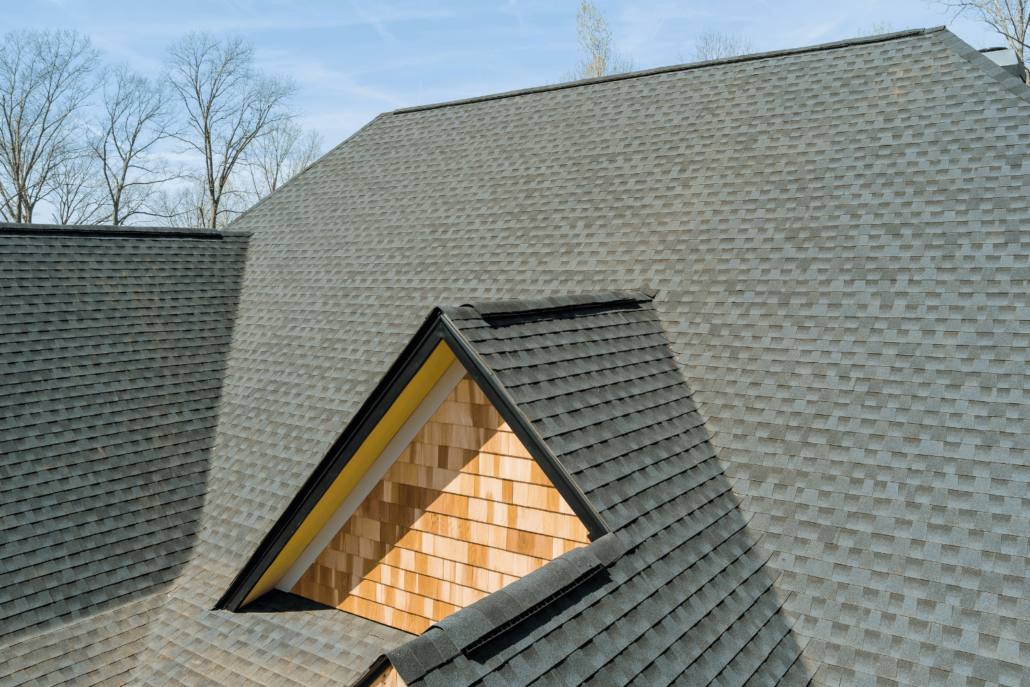
Shingle overlap is one of those specifications that looks simple until you understand what happens when it’s wrong. Too little overlap and wind-driven rain gets under the shingles. Too much and you’ve wasted material and changed the way water sheds off the roof. Dream Home Roofers has installed and inspected hundreds of roofs in West Caldwell and across northern New Jersey. This is what correct overlap looks like, what happens when it’s off, and how to know if your existing roof was installed properly.
The Terminology: Headlap, Exposure, and Offset
Before getting into the numbers, it helps to understand the three terms that define how shingles are positioned relative to each other.
• Headlap: the distance the top edge of a lower course is covered by the course two rows above it.
This is the primary waterproofing measurement.
• Exposure: how much of each shingle is visible after installation. This is what you see from the ground.
• Offset: how far the vertical joints in each course are staggered from the course below. This prevents water from tracking straight down through aligned cutouts.
Correct Overlap Measurements by Shingle Type
Three-Tab Asphalt Shingles
Three-tab shingles are 12 inches tall with a 5-inch exposure, leaving a 7-inch headlap. The minimum headlap required by most building codes and manufacturers is 2 inches, but a proper installation targets 5 to 7 inches for full coverage. The offset on three-tab shingles should be at least 6 inches from the joints in
the course below.
Architectural (Dimensional) Shingles
Architectural shingles are typically 13 to 14 inches tall with a 5-5/8 inch exposure. The standard headlap target is around 6 inches. Because architectural shingles don’t have uniform cutouts, the offset needs to be managed by starting alternating courses with a half-shingle or a measured starter piece to keep the joints staggered.
Hip and Ridge Caps
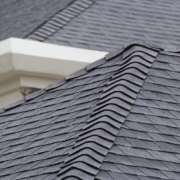
Ridge cap shingles are overlapped along the ridge and hip lines. Standard ridge cap overlap is 5 to 6 inches, with the exposed fasteners of the lower cap covered by the cap above it. An improperly
overlapped ridge cap is one of the most common sources of leaks we find on roofs that were otherwise installed correctly.
What Happens When Shingle Overlap Is Wrong
Too Little Overlap
Insufficient headlap exposes the underlayment to wind-driven rain. In New Jersey’s climate, nor’easters and late-season storms push rain horizontally, which is a completely different stress than vertical rain. An exposed underlayment can fail within a few seasons under that kind of repeated stress. Once the underlayment is compromised, the decking follows quickly in our humid climate.
Too Much Exposure
Excessive shingle exposure reduces the headlap below minimum, which has the same effect as insufficient overlap. It also makes the roof look wrong from the street. Both conditions may void the
manufacturer’s warranty.
Misaligned Offsets
When the vertical joints of two adjacent courses align instead of stagger, water can track straight down between the shingles without being deflected. This is less common than headlap errors but still shows up on inspections, particularly on roofs installed quickly or by less experienced crews.
How to Check Your Roof’s Shingle Overlap
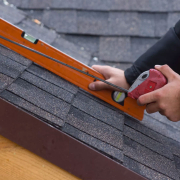
You can get a rough read on shingle exposure from the ground by measuring the visible portion of a shingle course with a tape measure. On a standard architectural shingle roof, the exposed portion should be right around 5 to 5-5/8 inches. If you’re seeing 7 or 8 inches of exposure, the headlap is likely short of spec. A roof inspection is the only way to confirm the actual headlap measurement and check the ridge cap and valley details.
What Roof Installation Costs in West Caldwell, NJ
• Standard architectural shingle replacement on a typical West Caldwell home (1,500 to 2,200 sq ft of roof surface): $7,000 to $12,000 including removal of the existing roof and standard underlayment.
• Premium shingles, steep pitch, or homes requiring decking repair will run toward the higher end or above this range.
• Dream Home Roofers provides free written estimates with a detailed scope of work.
Frequently Asked Questions: Roof Shingle Overlap
How much should asphalt shingles overlap?
Standard three-tab asphalt shingles require a minimum headlap of 2 inches, with most manufacturers targeting 5 to 7 inches. Architectural shingles typically run a 6-inch headlap with a 5-5/8 inch exposure. Getting this measurement wrong reduces both wind and water resistance and can void the manufacturer’s warranty.
What happens if shingles don’t overlap enough?
Insufficient shingle overlap leaves the underlayment and decking exposed to wind-driven rain. Over time this causes leaks, sheathing rot, and mold growth in the attic. In New Jersey’s climate, where nor’easters push rain horizontally, this failure mode is faster and more destructive than in drier markets. It can also void your shingle warranty.
How do I know if my shingles were installed with the right overlap?
A basic visual check from the ground can reveal excessive exposure (more than about 6 inches visible on an architectural shingle course is a red flag), but only an on-roof inspection with measurements confirms the actual headlap. Dream Home Roofers provides free roof inspections in West Caldwell, NJ and documents installation defects in writing.
Does incorrect shingle overlap void the manufacturer warranty?
Yes, in most cases. Shingle manufacturers require installation to their published specifications as a condition of the warranty. An inspection that finds headlap short of spec can be grounds for a warranty denial on materials, even if the shingles themselves are defective. This is one of the reasons using a licensed and experienced installer matters.

 501 NJ‑168, Turnersville, NJ 08012