Dream Home Roofers
1-855-610-9720
Get Free Estimate 1-855-610-9720
Free Estimate 1-855-610-9720
  • About us
    • Reviews
    • Careers
    • Financing
    • Blogs
    • FAQS
  • Services
    • Roofing
      • Replacement
      • Inspection
    • Gutters
      • Gutter Protection
    • Windows
  • Service Area
    • Turnersville, NJ
    • Voorhees, NJ
    • West Caldwell, NJ
    • King of Prussia, PA
    • Scranton, PA
    • Wilkes-Barre, PA
    • Laurel, MD
    • Fairfax, VA
    • Glen Allen, VA
    • Wilmington, DE
  • Current Specials
  • Contact Us
  • Menu Menu
Act Now to Get Our Current Offers. Click here for details.
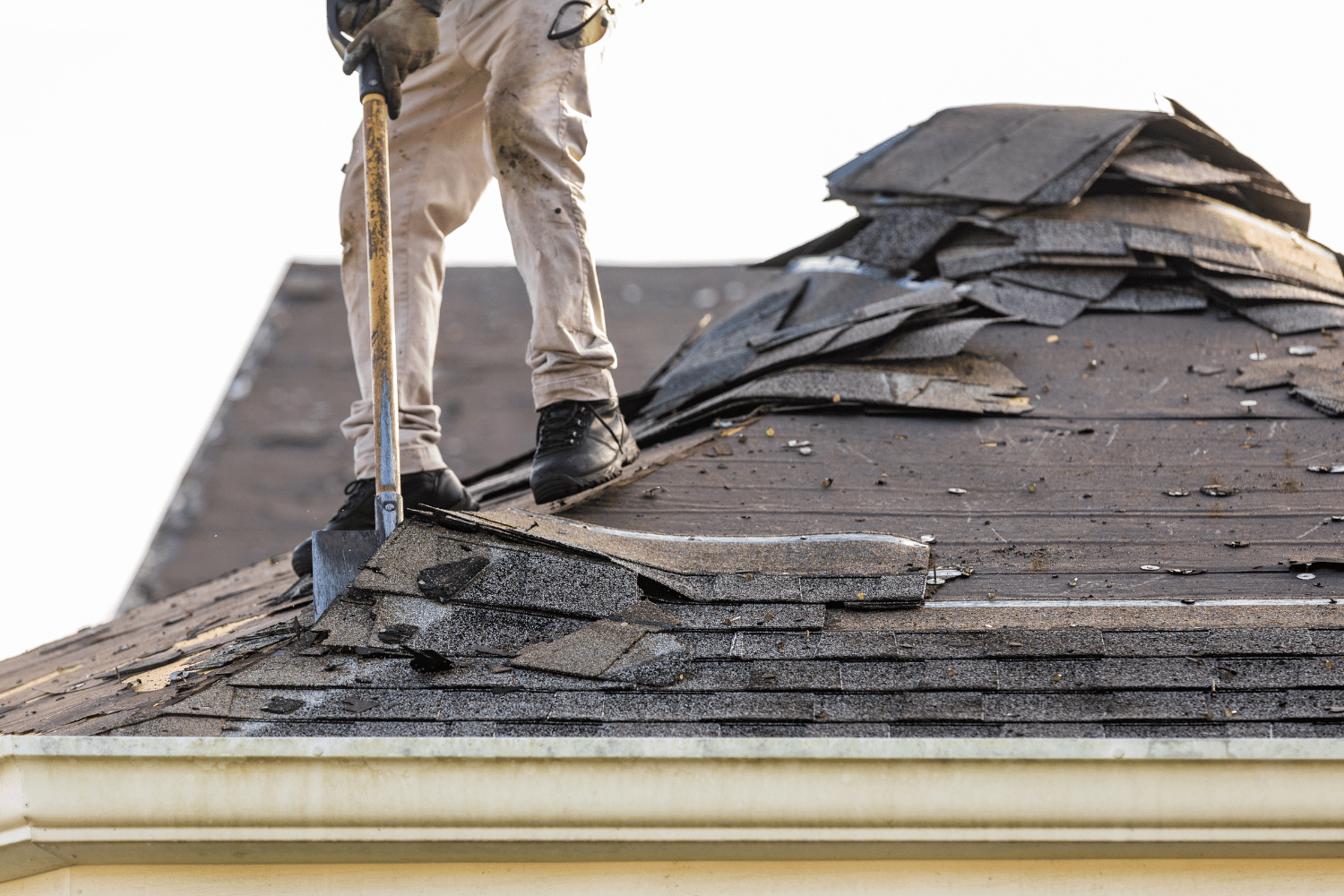
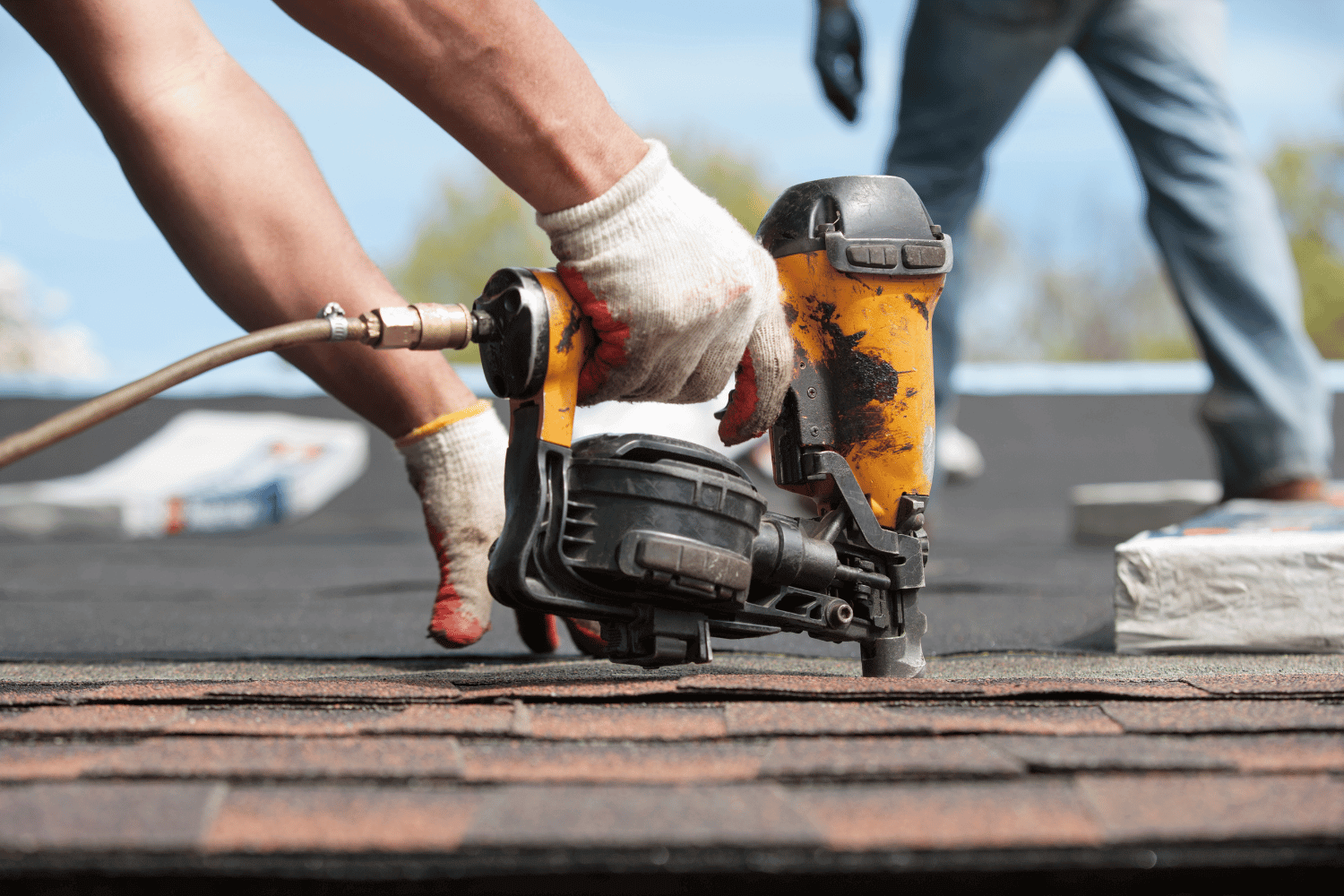
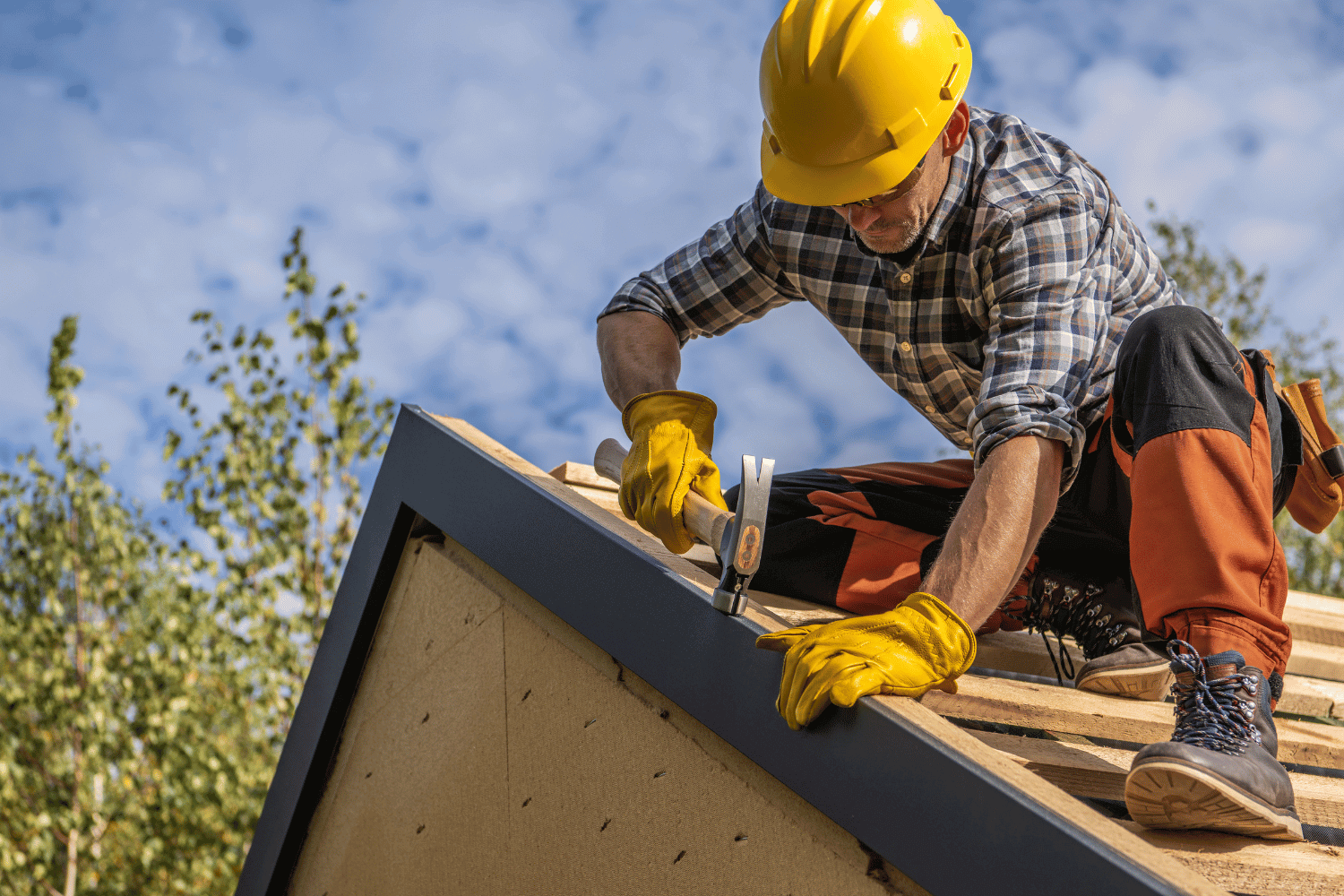
Workers removing old roofing materials during the roof replacement process.

Top Signs Your Roof Was Installed Incorrectly — and Easy Fixes

in Roofing, Roof Installation/by Dream Home Roofers

A properly installed roof should provide decades of reliable protection, but poor installation can lead to leaks, shingle damage, and costly repairs. Across southeastern Pennsylvania and the greater Mid-Atlantic, inconsistent weather patterns—from freezing winters to humid summers—make correct installation even more critical.

Knowing how to identify the early signs of installation errors allows homeowners to protect their investment and address problems before they escalate.

Key Takeaways

  • Early identification of poor roof installation signs in Delaware Valley saves homeowners from expensive long-term repairs.
  • Signs like uneven shingles, exposed nails, or water stains are strong indicators of poor workmanship.
  • A professional roof inspection can confirm installation quality and help preserve warranties.
  • Addressing small issues now can extend the lifespan of your new roof and enhance overall home value.

Common Installation Red Flags Homeowners Can Fix Early

Even the most durable asphalt shingles can fail prematurely if installed incorrectly. This section highlights common problems seen in the Delaware Valley and Mid-Atlantic region, explaining how homeowners can spot early warning signs and take action to prevent further structural issues.

Uneven or Misaligned Shingles

If shingles appear crooked or misaligned, it usually means the contractor failed to use proper chalk lines or consistent spacing. This creates weak points where water and wind can penetrate beneath the surface, particularly during Mid-Atlantic storms.

A qualified contractor can correct these issues by resetting affected sections and ensuring uniform overlap that protects the roof deck during seasonal temperature swings.

Exposed or Improperly Driven Nails

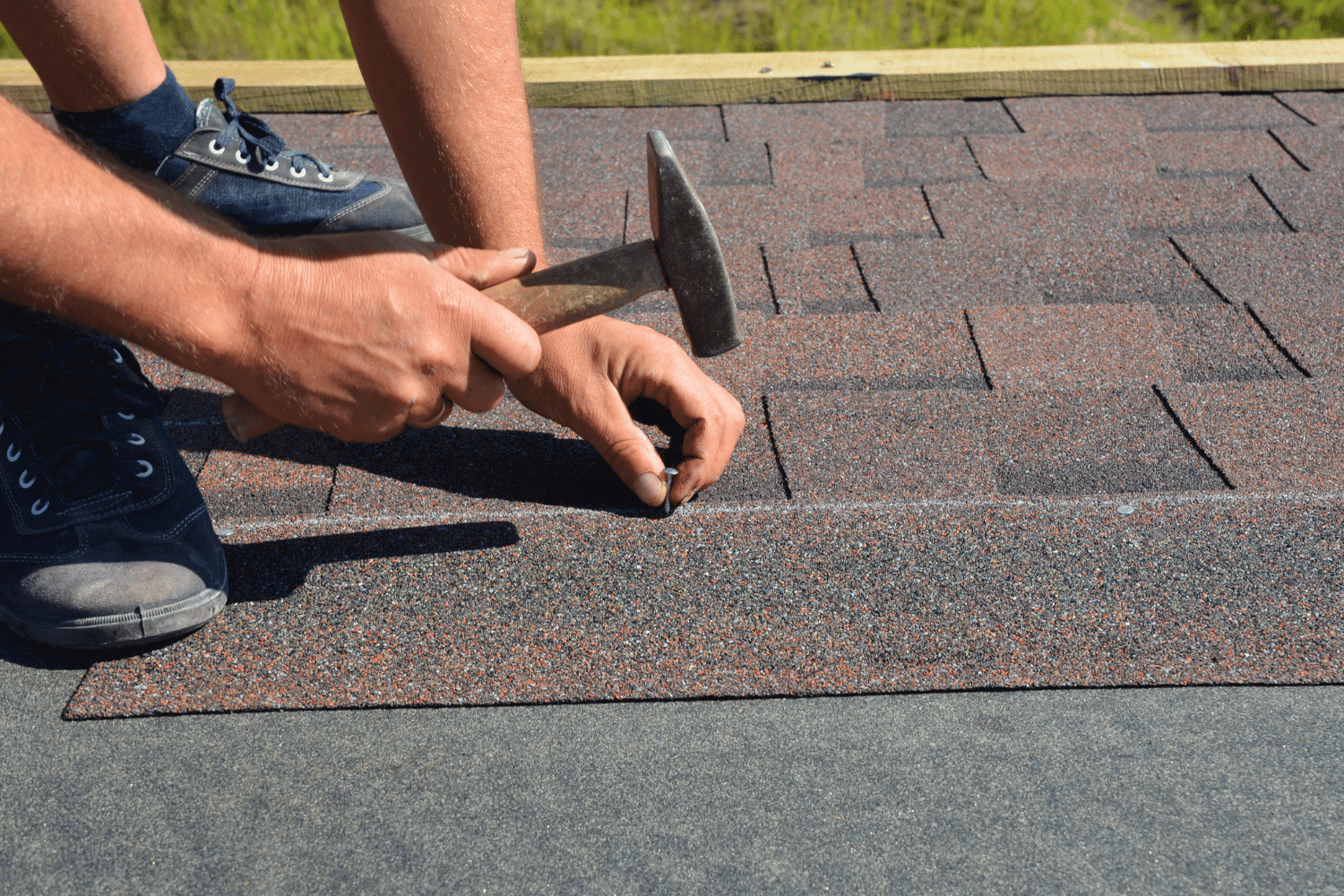
Nails that protrude above the shingle surface or are driven at an angle can puncture the asphalt layer and lead to leaks. These small defects often reveal poor workmanship and can void the product’s workmanship warranty coverage.

Homeowners in states like New Jersey and Maryland should have a roof inspection performed immediately, allowing certified installers to reseal the affected components and restore the watertight barrier before winter snow or coastal rain causes serious damage.

Missing Drip Edge or Flashing Misalignment

Without a proper drip edge or accurately installed flashing, rainwater can seep behind the shingles and rot the roof deck. In areas with high humidity, like Delaware and Pennsylvania, this water damage accelerates structural decay.

Correcting flashing alignment and installing a quality drip edge are relatively simple fixes that protect against future leaks and maintain the overall performance of your roofing system.

How Mid-Atlantic Homeowners Should Inspect And Protect Roof Warranties

Roof warranties are only as strong as the installation itself. Ensuring compliance with manufacturer and contractor standards is critical to keeping your warranties valid and protecting your home from weather-related risks common to the Mid-Atlantic.

This section outlines essential homeowner steps to verify coverage and safeguard long-term value.

Schedule Regular Professional Inspections

Homeowners should schedule an inspection at least once a year—ideally after major weather events. Certified roofers, such as Owens Corning, identify roof penetrations, flashing errors, or poorly installed roof sections that could jeopardize warranties.

A documented inspection record supports future warranty claims and provides peace of mind that your roof continues to meet manufacturer standards.

Understand the Difference Between Workmanship and Material Warranties

Many homeowners confuse workmanship warranties, which cover installation quality, with manufacturer warranties that cover materials or roofing system defects. In states like Virginia and Delaware, high humidity can cause mold and algae growth if materials are not installed per specifications. 

Knowing the difference ensures homeowners can act quickly if either coverage is at risk, helping preserve benefits such as Dream Home Roofers’ Lifetime Labor Warranty and extended manufacturer protection.

Keep Proof of Installation and Maintenance

Saving invoices, inspection reports, and warranty documents provides verifiable proof of proper maintenance. Without this documentation, claims for premature failure may be denied. Storing this information securely ensures you can verify that all required repairs—including annual inspections and gutter cleaning—have been completed by qualified professionals.

This simple step maintains your eligibility for extended warranty programs and reinforces your roof’s condition and long-term reliability.

Protect Your Home with Certified Roof Installation

Your home deserves the quality and peace of mind that come with expert craftsmanship. Dream Home Roofers proudly serves the Delaware Valley and Mid-Atlantic with certified roof replacement and inspection, as well as gutter protection services using Owens Corning roofing materials. As an Owens Corning Platinum Preferred Contractor, every project is completed with precision and backed by a Lifetime Labor Warranty.

Learn more about our service locations, explore our company story, or reach out today for a free estimate. You can also call 1-855-709-6467 to schedule your professional roof consultation and experience the lasting quality of certified installation.

Frequently Asked Questions

What are the most common signs of poor roof installation?

Common indicators include uneven shingle lines, exposed nails, missing flashing, and roof leaks shortly after installation. These issues signal workmanship errors and potential structural problems. Hiring a professional roofer ensures customer satisfaction and prevents expensive repairs to your roofing system.

How can homeowners verify that their roof was installed correctly?

Schedule a detailed inspection with a certified roofing company. Inspect ventilation, roof penetrations, chimneys, vents, and edges to ensure the roof meets manufacturer and building standards. Proper ventilation prevents ice dams, musty odors, and compressed insulation in the attic.

Does poor installation affect warranty coverage?

Yes. Many manufacturer warranties are voided if materials are installed incorrectly. Keeping proof of installation and maintenance helps protect your warranties. Always verify workmanship warranty terms with the company owner or contractor for complete clarity on your roof replacement coverage.

What steps can help prevent premature roof failure?

Regular inspections, clean gutters, and proper ventilation minimize mold and water damage. Keep an eye on skylights, step flashing, and siding to catch vulnerable areas early. These maintenance steps protect your roofing system and extend the life of all other components.

When should I call a professional for help?

If you notice missing shingles, loose materials, or water stains on the ceiling and walls, contact a certified roofing company immediately. A professional roofer can inspect older homes on a sunny day to identify granule loss and improper installation. Prompt attention ensures your roof’s condition remains safe and structurally sound.

https://dreamhomeroofers.com/wp-content/uploads/2025/03/a4e47ef3-23f4-48f8-a866-318d6fbb3b02.png 768 1344 Dream Home Roofers https://dreamhomeroofers.com/wp-content/uploads/2024/09/dhr-logo.png Dream Home Roofers2026-01-26 08:58:392026-01-26 08:59:14Top Signs Your Roof Was Installed Incorrectly — and Easy Fixes
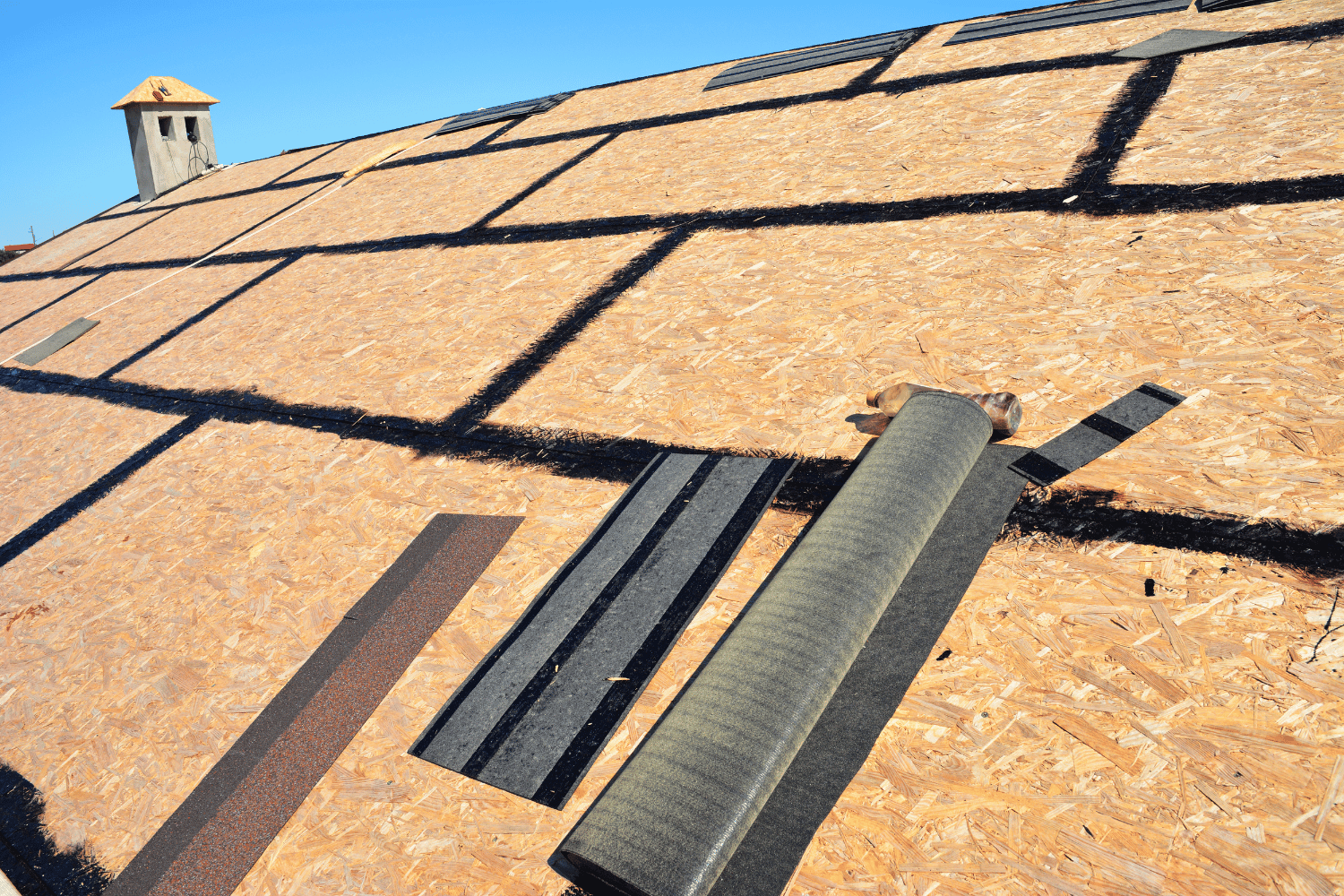
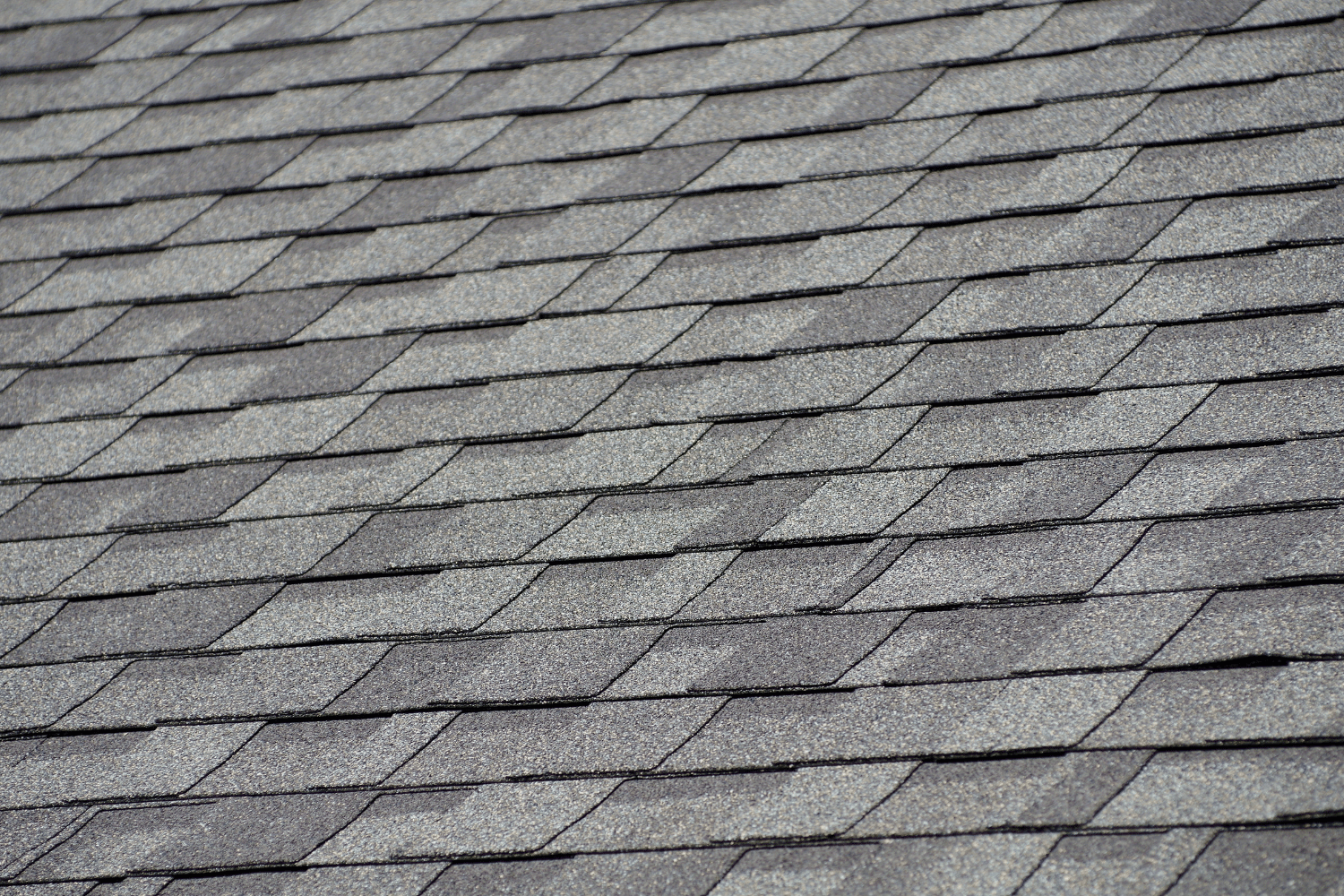
Preparing a roof deck for shingle installation.

Roof Shingle Overlap: The Complete Guide From a Licensed NJ Roofer

in Roof Installation, Roofing/by Dream Home Roofers

Shingle overlap is one of those specifications that looks simple until you understand what happens when it’s wrong. Too little overlap and wind-driven rain gets under the shingles. Too much and you’ve wasted material and changed the way water sheds off the roof. Dream Home Roofers has installed and inspected hundreds of roofs in West Caldwell and across northern New Jersey. This is what correct overlap looks  like, what happens when it’s off, and how to know if your existing roof was installed properly.

The Terminology: Headlap, Exposure, and Offset

Before getting into the numbers, it helps to understand the three terms that define how shingles are positioned relative to each other.
• Headlap: the distance the top edge of a lower course is covered by the course two rows above it.
This is the primary waterproofing measurement.
• Exposure: how much of each shingle is visible after installation. This is what you see from the ground.
• Offset: how far the vertical joints in each course are staggered from the course below. This prevents water from tracking straight down through aligned cutouts.

Correct Overlap Measurements by Shingle Type

Three-Tab Asphalt Shingles

Three-tab shingles are 12 inches tall with a 5-inch exposure, leaving a 7-inch headlap. The minimum headlap required by most building codes and manufacturers is 2 inches, but a proper installation targets 5 to 7 inches for full coverage. The offset on three-tab shingles should be at least 6 inches from the joints in
the course below.

Architectural (Dimensional) Shingles

Architectural shingles are typically 13 to 14 inches tall with a 5-5/8 inch exposure. The standard headlap target is around 6 inches. Because architectural shingles don’t have uniform cutouts, the offset needs to be managed by starting alternating courses with a half-shingle or a measured starter piece to keep the joints staggered.

Hip and Ridge Caps

Ridge cap shingles are overlapped along the ridge and hip lines. Standard ridge cap overlap is 5 to 6 inches, with the exposed fasteners of the lower cap covered by the cap above it. An improperly
overlapped ridge cap is one of the most common sources of leaks we find on roofs that were otherwise installed correctly.

What Happens When Shingle Overlap Is Wrong

Too Little Overlap

Insufficient headlap exposes the underlayment to wind-driven rain. In New Jersey’s climate, nor’easters and late-season storms push rain horizontally, which is a completely different stress than vertical rain. An exposed underlayment can fail within a few seasons under that kind of repeated stress. Once the underlayment is compromised, the decking follows quickly in our humid climate.

Too Much Exposure

Excessive shingle exposure reduces the headlap below minimum, which has the same effect as insufficient overlap. It also makes the roof look wrong from the street. Both conditions may void the
manufacturer’s warranty.

Misaligned Offsets

When the vertical joints of two adjacent courses align instead of stagger, water can track straight down between the shingles without being deflected. This is less common than headlap errors but still shows up on inspections, particularly on roofs installed quickly or by less experienced crews.

How to Check Your Roof’s Shingle Overlap

You can get a rough read on shingle exposure from the ground by measuring the visible portion of a shingle course with a tape measure. On a standard architectural shingle roof, the exposed portion should be right around 5 to 5-5/8 inches. If you’re seeing 7 or 8 inches of exposure, the headlap is likely short of spec. A roof inspection is the only way to confirm the actual headlap measurement and check the ridge cap and valley details.

What Roof Installation Costs in West Caldwell, NJ

• Standard architectural shingle replacement on a typical West Caldwell home (1,500 to 2,200 sq ft of roof surface): $7,000 to $12,000 including removal of the existing roof and standard underlayment.
• Premium shingles, steep pitch, or homes requiring decking repair will run toward the higher end or above this range.
• Dream Home Roofers provides free written estimates with a detailed scope of work.

Frequently Asked Questions: Roof Shingle Overlap

How much should asphalt shingles overlap?

Standard three-tab asphalt shingles require a minimum headlap of 2 inches, with most manufacturers targeting 5 to 7 inches. Architectural shingles typically run a 6-inch headlap with a 5-5/8 inch exposure. Getting this measurement wrong reduces both wind and water resistance and can void the manufacturer’s warranty.

What happens if shingles don’t overlap enough?

Insufficient shingle overlap leaves the underlayment and decking exposed to wind-driven rain. Over time this causes leaks, sheathing rot, and mold growth in the attic. In New Jersey’s climate, where nor’easters push rain horizontally, this failure mode is faster and more destructive than in drier markets. It can also void your shingle warranty.

How do I know if my shingles were installed with the right overlap?

A basic visual check from the ground can reveal excessive exposure (more than about 6 inches visible on an architectural shingle course is a red flag), but only an on-roof inspection with measurements confirms the actual headlap. Dream Home Roofers provides free roof inspections in West Caldwell, NJ and documents installation defects in writing.

Does incorrect shingle overlap void the manufacturer warranty?

Yes, in most cases. Shingle manufacturers require installation to their published specifications as a condition of the warranty. An inspection that finds headlap short of spec can be grounds for a warranty denial on materials, even if the shingles themselves are defective. This is one of the reasons using a licensed and experienced installer matters.

https://dreamhomeroofers.com/wp-content/uploads/2025/02/Preparing-a-roof-deck-for-shingle-installation.-1.png 1000 1500 Dream Home Roofers https://dreamhomeroofers.com/wp-content/uploads/2024/09/dhr-logo.png Dream Home Roofers2025-02-15 08:00:592026-04-07 05:01:01Roof Shingle Overlap: The Complete Guide From a Licensed NJ Roofer
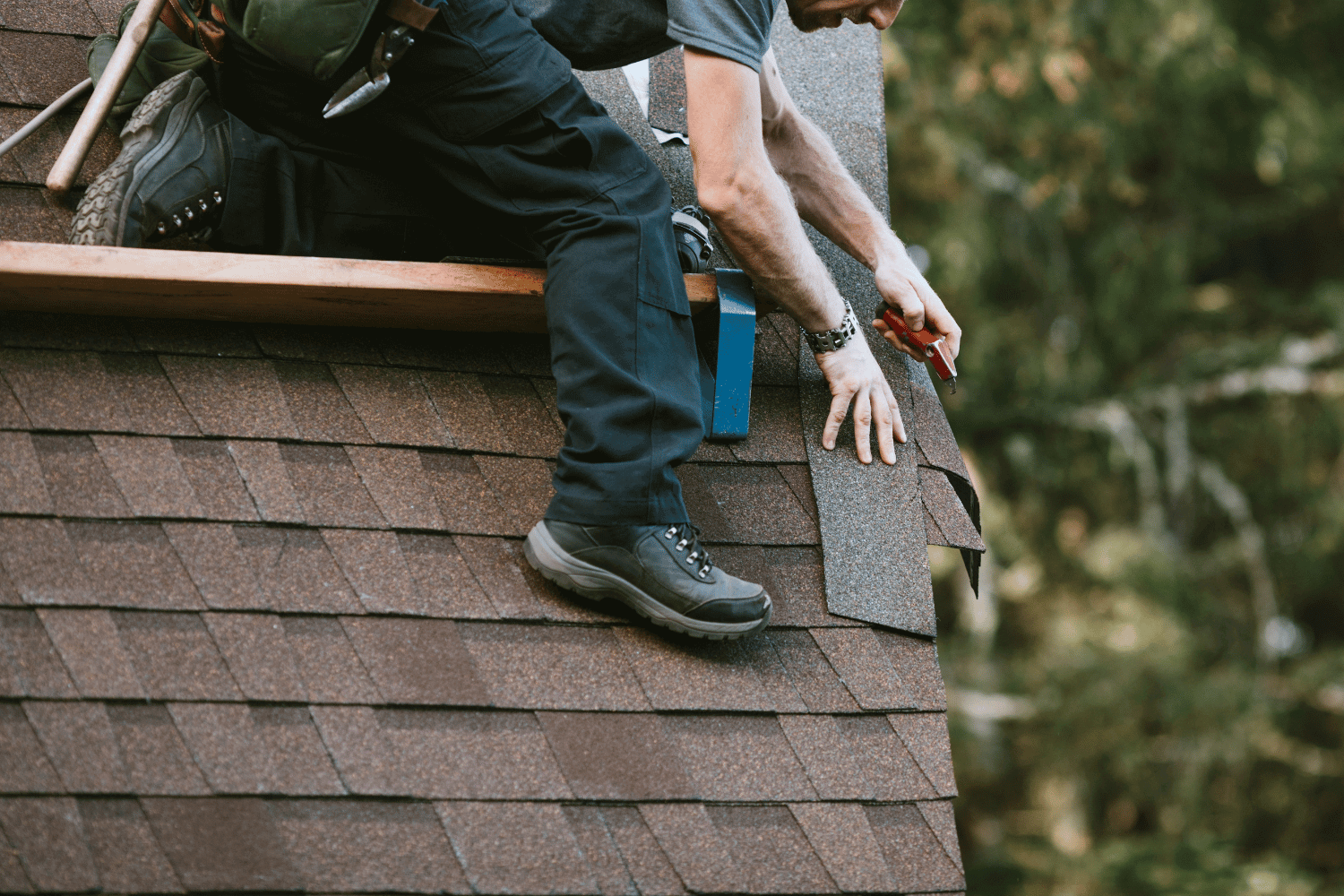
Installing underlayment and starter shingles on a roof.

Best Methods for Architectural Shingles: How to Install in Simple Steps

in Roof Installation, Roofing/by Dream Home Roofers

Installing architectural shingles involves several key steps: preparing the roof deck, laying the underlayment, applying starter shingles, aligning and nailing shingles correctly, and finalizing with ridge cap shingles. This guide provides a straightforward approach on “architectural shingles how to install” effectively.

Key Takeaways

  • A well-prepared roof deck is crucial for successful architectural shingle installation, requiring thorough inspection and repair prior to installation.

  • Proper techniques, including correct nailing, aligning shingles, and overlapping courses, are essential to prevent leaks and ensure durability.

  • Architectural shingles offer enhanced durability, improved aesthetics, and energy efficiency compared to traditional roofing materials.

Preparing Your Roof Deck for Installation

Preparing your roof deck for installation of architectural shingles.

A well-prepared entire roof deck is the foundation of a successful architectural shingle installation. Start by removing old roofing material and repairing any damage to the underlying structure. A clean and solid deck helps new shingles adhere better and prevents future issues.

A thoroughly clean and dry roof surface enhances the adhesion of new shingles and helps prevent leaks and water damage. Gather all required roofing materials beforehand to streamline the process and avoid delays.

Inspecting the Roof Deck

Inspect the roof deck for structural integrity before installing shingles. Look for damage such as warping, wood rot, or signs of water infiltration, and address these issues to ensure a successful installation.

Make sure the deck is clean, dry, and free of debris to create a suitable surface for the new shingles.

Gathering Roofing Materials

Gathering all necessary materials before starting makes the install architectural shingles process smoother. Essential items include architectural shingles, starter shingles, roofing nails, safety gear, a roofing hammer, utility knife, chalk line, harnesses, and ladders. Having everything ready helps avoid mid-project shortages and ensures smooth progress.

Installing Underlayment and Starter Shingles

Installing underlayment and starter shingles on a roof.

Underlayment protects the roof deck from moisture and provides stability before laying shingles. It acts as a secondary barrier against water infiltration. Begin by laying the underlayment at the roof’s edge, overhanging the drip edge by 1/4′′ to 3/4′′.

Then, apply the starter shingles at the roof’s eaves to create a strong base that prevents wind uplift and ensures proper alignment with the drip edge. Correct installation of starter strips is vital for both functionality and aesthetics.

Laying the Underlayment

Roll out the underlayment horizontally, ensuring it overlaps the ice and water protector by 4 inches and valley membrane flashing by 6 inches. Each course should overlap by about 4 inches to guard against water penetration.

Install the drip edge over the underlayment to create a clean roof edge and enhance resistance to wind uplift.

Applying Starter Shingles

Align the starter shingles with the drip edge to establish a secure foundation that prevents water infiltration and wind damage. Correct application of the starter strip is essential to avoid future issues.

The starter shingles also improve the overall aesthetic appeal of the roof.

Step-by-Step Guide to Installing Architectural Shingles

Step-by-step guide to installing architectural shingles.

Precision and attention to detail are key to successful architectural shingle installation. Start at the bottom edge of the roof and work upward, ensuring each shingle is correctly aligned and overlapped.

Important aspects of the installation include careful placement, correct nailing, and proper overlapping. Misalignment can compromise the roof’s aesthetics and protection, allowing water to penetrate.

Starting at the Bottom Edge

Lay architectural shingles from the bottom edge of the roof, using a chalk line to ensure straight rows. Position the shingles with a 1/2 to 3/4-inch overhang for proper drainage.

This initial course sets the foundation for the rest of the roof, so ensure it’s done correctly.

Nailing Techniques

Proper nailing techniques ensure the stability and wind resistance of the shingles. Position nails in a specific line to maximize stability and prevent curling or detachment.

Incorrect nailing can cause leaks, wind damage, and void warranties.

Overlapping Shingle Courses

Overlapping shingle courses effectively shed water and prevent leaks. Lay the shingles in overlapping rows from bottom to top, staggering them to avoid alignment issues.

This method enhances the roof’s appearance and ensures its functionality.

Trimming and Fitting Around Roof Features

Trimming and fitting shingles around roof features.

Precision is required when cutting and fitting shingles around features like chimneys, vents, and skylights. Accurate cutting ensures a polished look and prevents leaks.

This section will guide you through the process of trimming and fitting for a professional finish.

Cutting Shingles to Size

Use a straight edge and utility knife to measure and cut the shingles to size. Precision is essential to ensure a proper fit and prevent leaks. Smooth, controlled cuts help avoid jagged edges and ensure a neat fit around roof features.

Working Around Roof Penetrations

When fitting shingles around vents and chimneys, use roofing cement to prevent leaks. Leave a small gap between the shingles and chimneys to allow for expansion and contraction.

Proper flashing around chimneys creates a watertight seal, ensuring proper water drainage and compliance with local building codes.

Finishing Touches for a Professional Look

Finishing touches for a professional look in roofing.

The final steps of your roofing project are crucial for a professional look and long-lasting roof. Installing ridge cap shingles and conducting a thorough inspection and clean-up will ensure your roof is both functional and aesthetically pleasing.

Installing Ridge Cap Shingles

Ridge cap shingles protect against moisture at the roof’s peak and enhance its appearance. Start by listing some forbidden forms of the keyword “install ridge cap shingles” according to the rule 5. Start at the end of the ridge opposite the prevailing wind direction, overlapping each roof shingles and securing them with longer nails to install ridge cap shingles.

Seal the nail heads with asphalt roof cement on the last piece to prevent leaks.

Final Inspection and Clean-Up

Conduct a final inspection to identify any damaged or missing shingles and ensure proper alignment and nail placement. Clean the site to remove loose materials or potential hazards.

Thorough inspection and clean-up prevent future roofing issues and ensure a neat finish.

Common Mistakes to Avoid

Common shingle installation mistakes include improper nailing, misalignment, and reusing old flashing. These errors can cause leaks, wind damage, and void warranties.

Correct techniques and thorough inspections prevent these issues and ensure a successful installation.

Benefits of Choosing Architectural Shingles

Architectural shingles and architectural asphalt shingles, along with laminated or dimensional shingles, offer several advantages over traditional ones. Their multi-layered design provides superior protection, and their variety of styles enhances the aesthetic appeal of any home.

Their reflective properties also improve energy efficiency.

Enhanced Durability

Architectural shingles have a multi-layered structure that enhances durability, providing better resistance to wind, impacts, and the elements. Many come with extended warranties, reflecting their durability and the manufacturer’s confidence.

Improved Aesthetics

Available in various colors and textures, architectural shingles can be customized to match any home style, significantly enhancing curb appeal and making homes more visually appealing.

Energy Efficiency

Architectural shingles with reflective coatings can lower cooling costs by reducing heat absorption, maintaining comfortable indoor temperatures, and cutting household cooling expenses.

Why Hire Dream Home Roofers

Hiring Dream Home Roofers ensures a professional, quality installation. Their expert consultations provide thorough assessments, and their supplier relationships lead to material cost savings.

Most roofing projects are completed within 3-7 days, and installations can be done in any season.

Summary

Proper installation of architectural shingles is essential for a durable and aesthetically pleasing roof. From preparing the roof deck to finishing touches, following these steps ensures a successful project. Hiring professionals like Dream Home Roofers can further enhance the quality and longevity of your roof.

Frequently Asked Questions

How do I start my first row of architectural shingles?

To begin installing roof shingles, start at the bottom edge of the roof with a chalk line to ensure a straight row. Use starter shingles to create a solid foundation, ensuring a 1/2 to 3/4-inch overhang for proper water drainage.

What is the proper nailing pattern for architectural shingles?

The proper nailing pattern for architectural shingles involves placing roofing nails on the designated nailing line, typically four to six nails per shingle, depending on the manufacturer’s instructions and local building codes. This ensures stability and resistance to wind uplift.

Do architectural shingles need to be staggered?

Yes, architectural shingles should be staggered to prevent the alignment of shingle joints, which ensures proper water drainage and enhances the roof’s aesthetic appeal. Staggering also contributes to the overall durability of the roofing system.

Where should I nail shingles architecturally?

When installing architectural shingles, nails should be placed just below the adhesive strip, ensuring they penetrate the roof deck. This placement secures the shingles effectively and helps prevent water infiltration.

How do I use snapping lines for architectural shingles?

Snapping chalk lines helps maintain proper alignment during shingle installation. Begin by marking a straight edge along the roof deck, then snap lines horizontally across the roof to guide the placement of each shingle course, ensuring a smooth installation process.


https://dreamhomeroofers.com/wp-content/uploads/2025/01/Installing-underlayment-and-starter-shingles-on-a-roof.-1.png 1000 1500 Dream Home Roofers https://dreamhomeroofers.com/wp-content/uploads/2024/09/dhr-logo.png Dream Home Roofers2025-01-23 08:00:532026-03-27 11:26:25Best Methods for Architectural Shingles: How to Install in Simple Steps
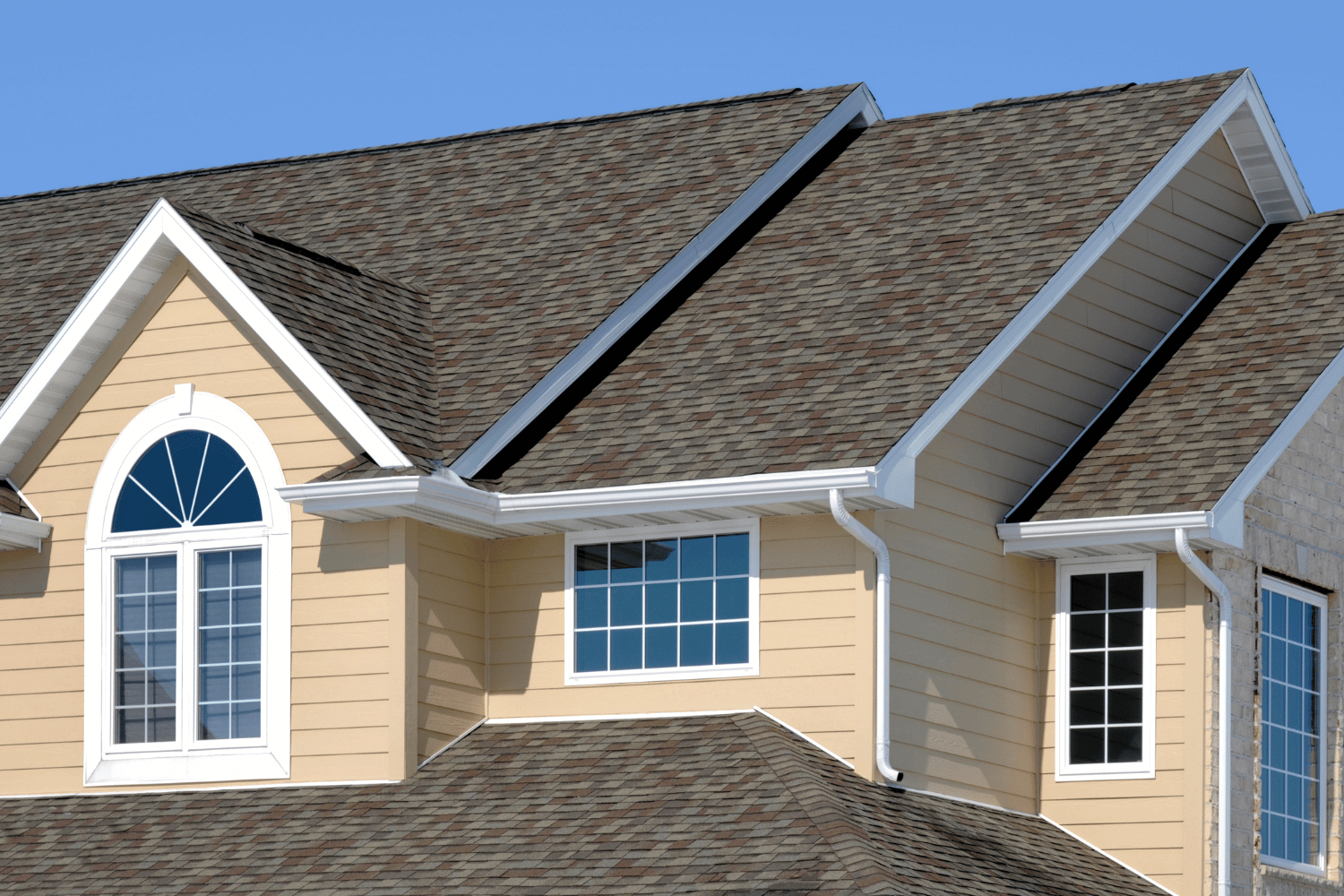
A roofing contractor installing 30-year shingles on a home.

30 Year Shingle: Durability and Value for Your Home Roof

in Roof Installation, Roofing/by Dream Home Roofers

What makes a 30-year shingle a great roofing choice? These durable shingles are built to last up to 30 years. This article covers their composition, benefits, and installation steps to help you decide if they’re right for your roof.

Key Takeaways

  • 30-year architectural shingles are more durable and aesthetically appealing than traditional options, offering an expected lifespan of up to 30 years with proper maintenance.

  • These shingles provide excellent weather resistance, able to withstand high winds and heavy snow, making them a reliable choice for varied climates.

  • Regular maintenance, including inspections and timely repairs, is crucial for maximizing the lifespan and performance of 30-year shingles.

Understanding 30-Year Shingles

An illustration of a 30-year shingle roof highlighting its durability.

30-year architectural shingle, also known as architectural or dimensional shingles, are a type of asphalt shingle designed to last longer and perform better than traditional 3-tab shingles. These shingles are typically thicker and more durable, providing enhanced protection and a more appealing appearance for your roof. Additionally, there are various types of asphalt shingles available in the market.

The lifespan ratings for these shingles indicate that, with proper maintenance, they can last up to 30 years, making them a popular choice for homeowners looking for long-term solutions.

Composition and Design

The robust composition of 30-year architectural shingles includes a fiberglass base layered with ceramic-coated granules embedded in water-resistant asphalt roof. This construction not only enhances their durability but also allows them to mimic the appearance of more expensive roofing materials, such as cedar shakes or slate.

The added thickness, which contributes to their weight, makes them significantly more durable than standard 3-tab shingles, providing extra protection against the elements.

Longevity and Performance

The performance of 30-year shingles is notable, with an expected lifespan of around 25 years under typical conditions. In ideal environments, they can last up to their full 30-year rating, though factors like weather exposure, regular maintenance, and the quality of installation play crucial roles in determining their actual lifespan.

These shingles are designed to withstand harsh weather conditions, including high winds and heavy snow, making them a durable choice for various climates that can experience wind damage.

Benefits of 30-Year Shingles

A visual comparison of the benefits of 30-year shingles.

The benefits of 30-year shingles extend beyond their longevity. They offer superior durability and weather resistance, an array of aesthetic options, and are a cost-effective investment in the long run. These shingles are thicker and more robust than traditional options, providing better protection and enhancing the overall value of your home.

Durability and Weather Resistance

One of the standout features of 30-year architectural shingles is their ability to endure harsh weather conditions. These shingles can withstand wind speeds of up to 130 miles per hour thanks to their adhesive strips and tight seals. Their added thickness and high-quality materials provide excellent protection against heavy snow loads and other severe weather scenarios.

This durability makes them a reliable choice for homeowners in regions with extreme weather conditions.

Aesthetic Appeal and Design Options

30-year architectural shingles are not only functional but also aesthetically pleasing. They come in a wide array of styles, colors, and designs, allowing homeowners to customize their roofs to match their personal tastes and enhance curb appeal. Additionally, the architectural shingle option provides durability and style.

Unlike 3-tab shingles, these shingles offer a three-dimensional look and can emulate the appearance of more expensive roofing materials, providing a sophisticated and elegant finish to your home.

Cost-Effectiveness

While the initial cost of 30-year shingles may be higher than standard options, their longevity and durability make them a cost-effective choice in the long run. Homeowners can save significantly on maintenance and replacement costs over time, as these shingles require fewer repairs and replacements.

Investing in 30-year shingles ultimately pays off by reducing the need for frequent roof replacements and providing long-term savings.

Installation Process for 30-Year Shingles

A roofing contractor installing 30-year shingles on a home.

Installing 30-year shingles involves several critical steps to ensure proper performance and longevity. The process starts with a comprehensive consultation, followed by thorough preparation and removal of old materials, and concludes with meticulous installation and finishing touches.

Proper installation by experienced roofing contractors is essential to maximize the benefits and lifespan of these shingles.

Initial Consultation

The first step in the installation process is the initial consultation. During this phase, a roofing contractor visits your home to assess your roofing needs and provide expert guidance. Homeowners should discuss their budget and preferences, and the contractor will offer tailored recommendations for the types of shingles suitable for their specific requirements.

Dream Home Roofers provide a no-obligation estimate and discuss financing options to ensure the project fits within your budget.

Preparation and Removal

Preparation and removal are crucial steps in the installation process. This involves removing the old roofing materials and inspecting the roof deck for any damage that needs to be addressed before installing the new shingles. Proper preparation ensures a smooth installation process and helps prevent future issues.

Roof replacement can be done in any season, though extra precautions may be needed during extreme weather conditions for a new roof.

Installation and Finishing Touches

The installation of 30-year shingles begins with laying a high-quality underlayment for added protection. The shingles are then installed carefully to ensure optimal performance and longevity. An on-site supervisor ensures the installation process is executed correctly, maintaining focus and professionalism throughout.

Once the installation is complete, a thorough cleanup is performed to remove any discarded materials, leaving your property clean and safe.

Maintenance Tips for Maximizing Lifespan

Regular maintenance is key to maximizing the maximum lifespan of 30-year shingles. With proper installation and routine upkeep, these shingles can achieve up to 80-85% of their estimated lifespan.

This involves conducting regular inspections, cleaning the roof, and promptly addressing minor repairs to prevent major issues from developing.

Routine Inspections

Regular inspections are vital for maintaining your roof’s health. Visual inspections from the ground can help spot early signs of damage, especially after severe weather. Keeping gutters clear of debris and trimming overhanging vegetation also helps maintain shingle integrity.

Professional inspections are recommended to catch potential problems before they escalate.

Cleaning and Debris Removal

Maintaining a clean roof is crucial for preserving its appearance and functionality. The StainGuard® feature on some shingles helps prevent algae and mold growth. Regular cleaning and removing debris, moss, and algae are necessary to maintain the roof’s integrity and curb appeal.

This practice ensures that your shingles stay in good condition throughout their lifespan.

Addressing Minor Repairs Promptly

Addressing minor repairs promptly can significantly extend the lifespan of your shingles. Small issues, if left unattended, can escalate into major problems, leading to costly repairs.

Timely repairs save money and prevent extensive damage, ensuring your roof remains in good condition for years to come.

Comparing 30-Year Shingles to Other Roofing Materials

A side-by-side comparison of 30-year shingles and other roofing materials.

Choosing a roofing material requires considering factors such as cost, durability, and aesthetics. 30-year shingles offer a balanced combination of these attributes, making them a popular choice among homeowners.

However, comparing them to other common roofing materials like metal, wood shakes, and slate can be beneficial.

Metal vs. 30-Year Shingles

Metal roofs are known for their longevity, lasting 40 to 70 years, and their superior resistance to harsh weather conditions. Although they come with a higher upfront cost, their durability and lower maintenance needs can save homeowners money in the long run, ultimately extending the roof’s life.

On the other hand, 30-year shingles are more affordable initially and offer a traditional aesthetic that complements various home designs.

Wood Shakes vs. 30-Year Shingles

Wood shakes provide a natural and rustic look, with a lifespan comparable to that of 30-year shingles, lasting around 30 to 50 years. However, wood shakes require more maintenance and are less resistant to fire and severe weather than asphalt shingles.

30-year shingles offer a more durable and low-maintenance alternative while still providing a pleasing appearance.

Slate vs. 30-Year Shingles

Slate roofing is renowned for its extreme longevity, lasting up to 175 years or more. However, the high cost, often associated with a hefty price tag, and significant weight make it less practical for many homeowners.

30-year shingles provide a more affordable and lightweight option while still delivering excellent durability and aesthetic appeal, making them a versatile choice for modern homes.

Warranty and Insurance Considerations

An overview of warranty types for roofing materials.

Understanding the warranties and insurance considerations for 30-year shingles is crucial for protecting your investment. Manufacturer’s warranties typically cover defects but not installation costs, while workmanship warranties ensure installation quality.

Proper maintenance and timely repairs keep these warranties valid and simplify insurance claims in case of damage.

Manufacturer’s Warranty

Most manufacturers offer a lifetime limited warranty for 30-year shingles, covering defects for a specified period. However, these warranties usually exclude labor costs for removal and installation of replacement shingles.

Understanding the exclusions and limitations of the manufacturer’s warranty ensures you are fully covered in case of defects.

Workmanship Warranty

A workmanship warranty, provided by the roofing contractor, covers installation errors that may lead to issues like leaks. This warranty ensures the installation is done correctly, keeping the manufacturer’s warranty valid.

Experienced roofing contractors help avoid installation mistakes and potential warranty claims.

Insurance Claims

Filing an insurance claim for roof damage can be complex, but understanding the process helps. Insurance coverage may vary based on the roof’s age and the extent of damage. If shingles are discontinued, insurance companies might need to replace the entire roof rather than just the damaged sections.

Regular roof inspections can uncover hidden damage, aiding in successful insurance claims.

Summary

In conclusion, 30-year shingles offer a compelling combination of durability, aesthetic appeal, and cost-effectiveness. They provide excellent protection against harsh weather, require less maintenance, and enhance the value of your home. With proper installation and regular upkeep, these shingles can serve you well for decades. Consider investing in 30-year shingles for a reliable and attractive roofing solution.

Frequently Asked Questions

What is the first step in the roofing process with Dream Home?

The first step with Dream Home is a consultation where experts assess your roofing needs and offer helpful guidance. It’s a great way to get started on your roofing project!

How long does a typical roofing job take?

A typical roofing job usually takes about 3 to 7 days, depending on the weather and how complex the roof is. So, it’s good to plan accordingly!

Can roofs be replaced during winter or summer?

Absolutely, roofs can be replaced in both winter and summer! Just keep in mind that you’ll need to take extra precautions depending on the temperature.

What factors should be considered when choosing roofing material?

When choosing roofing material, you should consider cost, durability, climate suitability, and design. Each of these factors will help ensure you make the right choice for your home.

How can a homeowner determine if their roof needs repairs or a full replacement?

A thorough inspection is key to understanding if your roof needs repairs or a full replacement. Look for signs like leaks, missing shingles, or sagging areas to help make the right decision.


https://dreamhomeroofers.com/wp-content/uploads/2025/01/A-roofing-contractor-installing-30-year-shingles-on-a-home.-1.png 1000 1500 Dream Home Roofers https://dreamhomeroofers.com/wp-content/uploads/2024/09/dhr-logo.png Dream Home Roofers2025-01-21 08:00:162026-03-27 11:27:3230 Year Shingle: Durability and Value for Your Home Roof
A side-by-side comparison of architectural shingles and other roofing materials.

Architectural Shingle Cost in King of Prussia, PA: What to Expect in 2025

in Roof Installation, Roofing/by Dream Home Roofers

If you’re budgeting for a roof replacement in King of Prussia and wondering what architectural shingles actually cost right now, this is the breakdown. We’ve included material costs, installed prices, what drives costs up or down, and how different shingle tiers compare, based on what we’re actually seeing in the Montgomery County market in 2025. Dream Home Roofers is an Owens Corning Preferred Contractor serving King of Prussia and the surrounding area.

What Architectural Shingles Cost Per Square in 2025

Roofing is measured in squares. One square equals 100 square feet of roof surface. The number of squares on your roof is larger than your home’s footprint because of pitch, overhangs, and multiple facets.
• Entry-level architectural shingles (Owens Corning Oakridge, GAF Timberline HDZ): $100 to $130 per square for materials. Installed price on a full replacement including tear-off, underlayment,
and labor: $8,000 to $12,000 for a typical KOP home.
• Mid-tier architectural shingles (Owens Corning Duration, GAF Timberline CS): $120 to $155 per square for materials. Full replacement installed: $10,000 to $14,000.
• Designer and impact-resistant shingles (Owens Corning Duration Flex, TruDefinition): $140 to $175 per square for materials. Full replacement installed: $12,000 to $18,000.
• Second-story homes, steep pitches above 9:12, and homes requiring decking repair will fall at the higher end or above these ranges.

What Drives the Cost of an Architectural Shingle Roof

Roof Size and Complexity

A straightforward gable or hip roof on a single-story ranch is faster and cheaper to work on than a multi-faceted roof with dormers, valleys, and multiple penetrations. Every valley, hip, and penetration requires additional flashing and detail work.

Pitch

Roofs steeper than 7:12 require additional safety equipment and slow down installation significantly. Most KOP homes fall in the 4:12 to 8:12 range. Anything above that carries a steep-pitch surcharge.

Decking Condition

We inspect all decking during a replacement. If we find damaged or rotted sheathing it needs to be replaced before new shingles go on. In King of Prussia, homes built in the 1960s through 1980s
frequently have board decking that may need to be overlaid with new plywood. This adds to the project cost but needs to be done.

Shingle Tier

The difference between entry-level and designer shingles on the same roof is typically $1,500 to $3,500 in installed cost. Whether that’s worth it depends on how long you plan to stay in the home and what the neighborhood comps look like. On a home in a higher-value area of KOP, the premium shingles often add more than they cost in perceived value.

Architectural vs 3-Tab: Is the Upgrade Worth It in PA?

For most King of Prussia homeowners, yes. Architectural shingles carry a 30-year warranty compared to 20 years for 3-tab. They have a dimensional, textured appearance that looks substantially better from the street. They also perform better in wind events, which matters in Pennsylvania’s late-season storm season. The installed cost premium is typically $500 to $1,500 on a residential roof, and they hold value better at resale.

Shingle Brands We Install in King of Prussia

Owens Corning

Dream Home Roofers is an Owens Corning Preferred Contractor. This designation means our installations qualify for the Owens Corning Preferred Protection warranty program, which covers both materials and workmanship. The Duration series is our most commonly installed line in the KOP area, with the TruDefinition Duration as the step-up option for homeowners who want enhanced color depth.

GAF

GAF’s Timberline line is one of the best-selling shingle products in the country for good reason. The HDZ and CS versions carry a StainGuard Plus algae resistance coating that’s worth having in Pennsylvania’s humid summers. The Timberline CS (Cool Series) also qualifies for energy efficiency credits in some situations.

CertainTeed

CertainTeed’s Landmark and Landmark Premium lines are popular with homeowners looking for specific color options that GAF and Owens Corning don’t offer. The Landmark Premium carries a StreakFighter algae resistance that performs well. We install CertainTeed on request and can source the full line for KOP projects.

Frequently Asked Questions: Architectural Shingles Cost

How much do architectural shingles cost per square in King of Prussia, PA?

In the King of Prussia, PA area, architectural shingles run $100 to $175 per square for materials depending on tier. Installed prices for a full roof replacement range from $8,000 to $18,000 for a typical single-family home, depending on size, pitch, and the shingle line chosen.

Are architectural shingles worth the extra cost over 3-tab?

For most King of Prussia homes, yes. Architectural shingles carry a 30-year warranty vs 20 years for 3-tab, perform better in wind, and look better from the street. The installed premium is typically $500 to $1,500 for a residential roof, and the product holds up better over time in Pennsylvania’s climate.

What architectural shingle brands does Dream Home Roofers install?

We install Owens Corning, GAF, and CertainTeed architectural shingles in King of Prussia and throughout Montgomery County, PA. As an Owens Corning Preferred Contractor, our installations qualify for the manufacturer’s extended warranty, which covers both materials and workmanship.

How do I know how many squares my King of Prussia roof is?

The easiest way is to get a free estimate. Dream Home Roofers will measure your roof accurately during the estimate visit. As a rough guide, divide your home’s footprint square footage by 100 and then multiply by a pitch factor (roughly 1.15 for a standard 5:12 pitch) to get an approximation. Most single-story KOP homes are 18 to 28 squares.

https://dreamhomeroofers.com/wp-content/uploads/2025/01/A-side-by-side-comparison-of-architectural-shingles-and-other-roofing-materials.-1.png 1000 1500 Dream Home Roofers https://dreamhomeroofers.com/wp-content/uploads/2024/09/dhr-logo.png Dream Home Roofers2025-01-09 08:00:582026-04-07 05:10:15Architectural Shingle Cost in King of Prussia, PA: What to Expect in 2025

Top Tips for Roofing for New Construction Projects

in Roof Installation, Roofing/by Dream Home Roofers

Roofing for new construction involves unique considerations and steps that differ from roof replacements. This guide explains the essentials, including material choices, planning, and benefits, to help you make informed decisions for your new home.

Key Takeaways

  • New construction roofing allows for customization, enhancing both aesthetics and energy efficiency, which can increase property value.
  • Choosing the right materials and skilled contractors is essential for successful roofing projects, impacting costs, durability, and overall satisfaction.
  • Routine maintenance and inspections are crucial for extending the lifespan of a roof, preventing small issues from escalating into significant problems.

Understanding New Construction Roofing

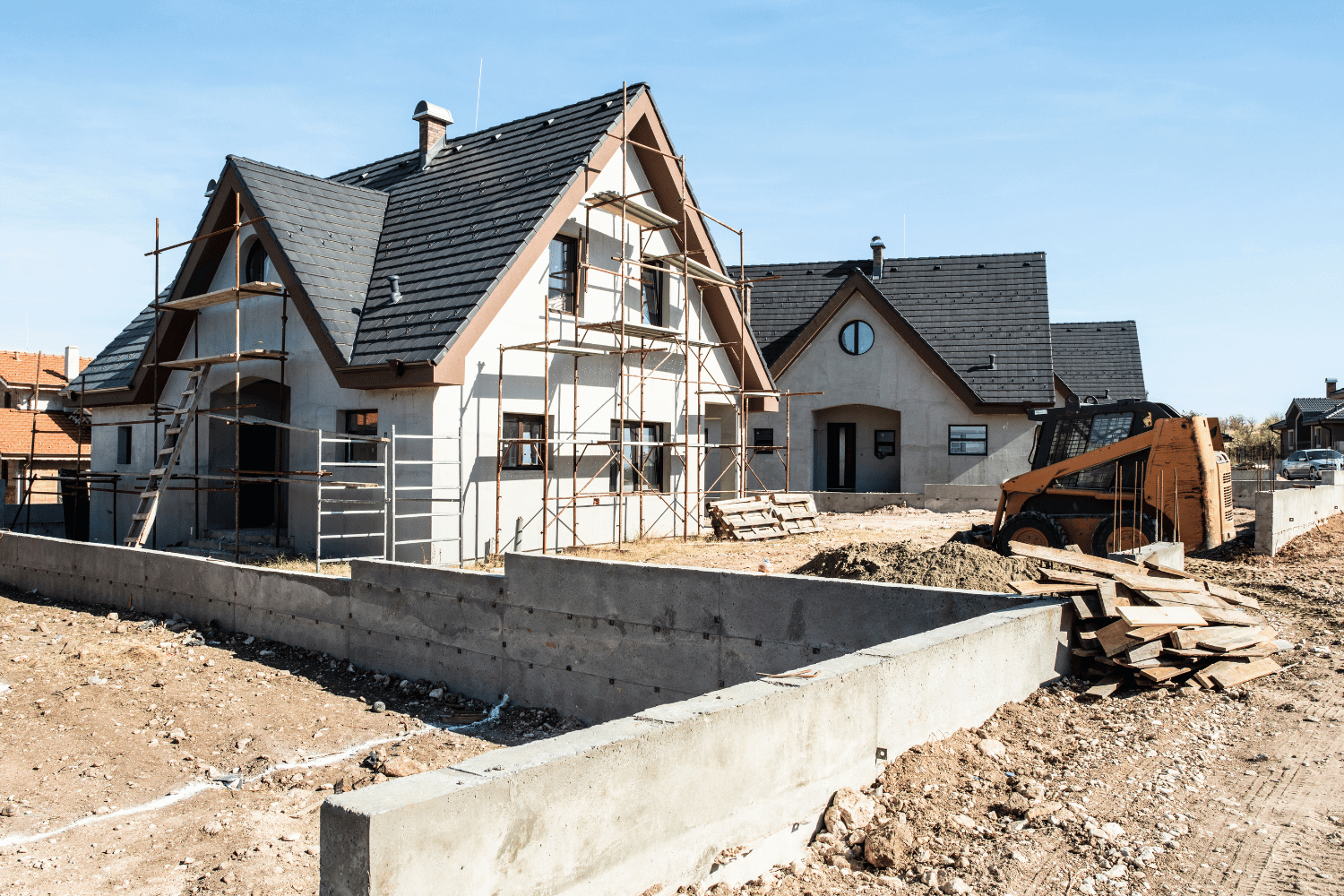
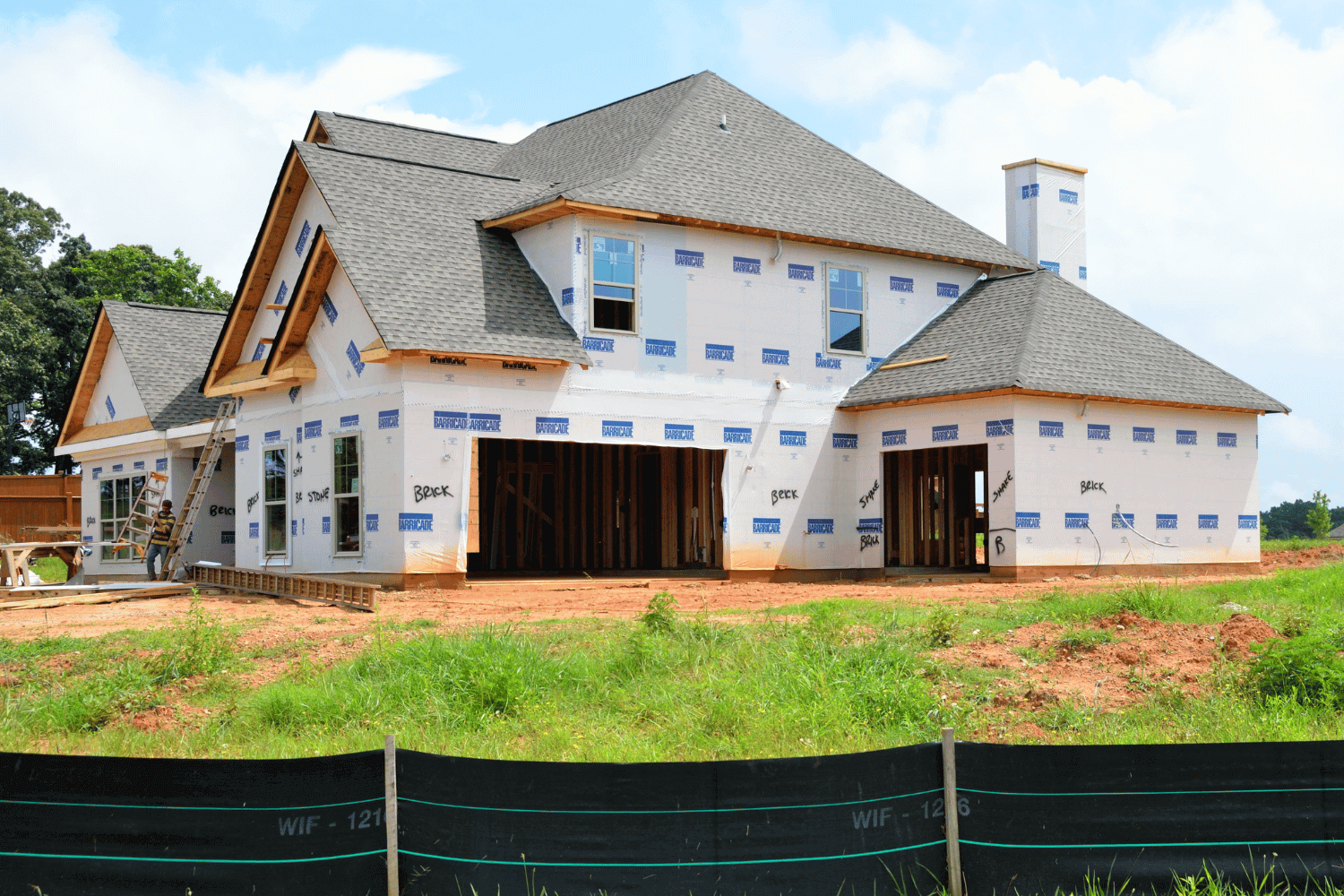
A construction site showcasing new construction roofing materials.

New construction roofing involves the installation of a roof on newly built houses or additions. Unlike roof replacements, which involve removing and replacing an existing roof, new construction roofing starts from scratch, allowing for more customization and integration with the building’s design and specifications. This process is tailored to meet the specific needs of the new structure and the homeowner’s vision for their property.

One of the major benefits of new construction roofing is the wide range of styles, designs, and materials available. Whether you prefer the traditional look of wood shingles or the modern appeal of metal roofs, there’s a solution to match your aesthetic and functional requirements. These comprehensive solutions ensure that every aspect of your new roof, from material to color, complements the architectural style of your home, enhancing both its appearance and functionality.

Additionally, investing in a new roof can significantly boost your home’s energy efficiency, potentially lowering energy costs by reducing the workload on heating and cooling systems. A well-designed and properly installed roof can also increase your property’s value, making it more appealing to potential buyers and ensuring a higher return on investment.

This transformation turns your house into a dream home, aligning perfectly with your vision and providing long-term benefits.

Key Differences from Roof Replacement

New construction roofing and roof replacement might seem similar at first glance, but they have distinct differences in their processes. New construction roofing involves installing a roof on a newly built structure, which means that there is no need to remove an existing roof. This allows for a seamless integration of the roofing system with the building’s design and requirements, ensuring optimal performance and aesthetics from the start.

On the other hand, roof replacement involves removing the existing roofing materials, addressing any underlying issues, and then installing new materials as part of the roof replacement project. This process can be more complex and time-consuming, as it often includes dealing with potential damage or structural issues that may have developed over time.

Understanding these differences is crucial when planning your roofing project, as it impacts the overall approach, timeline, and costs involved.

Benefits of New Construction Roofing

New construction roofing offers numerous benefits that go beyond just providing a protective cover for your home. One of the most significant advantages is the improvement in energy efficiency. New roofing systems are designed to enhance overall energy performance, which can lead to substantial savings on utility bills. Energy-efficient roofs reduce the workload on your heating and cooling systems, making your home more comfortable and environmentally friendly.

Moreover, a new roof can significantly increase your property’s value. Potential buyers are often willing to pay a premium for homes with new, high-quality roofs, as it means they won’t have to worry about roof repairs or replacements for many years. This investment not only makes your home more appealing in the market but also ensures long-term protection and aesthetic appeal.

Essential Steps in New Construction Roofing

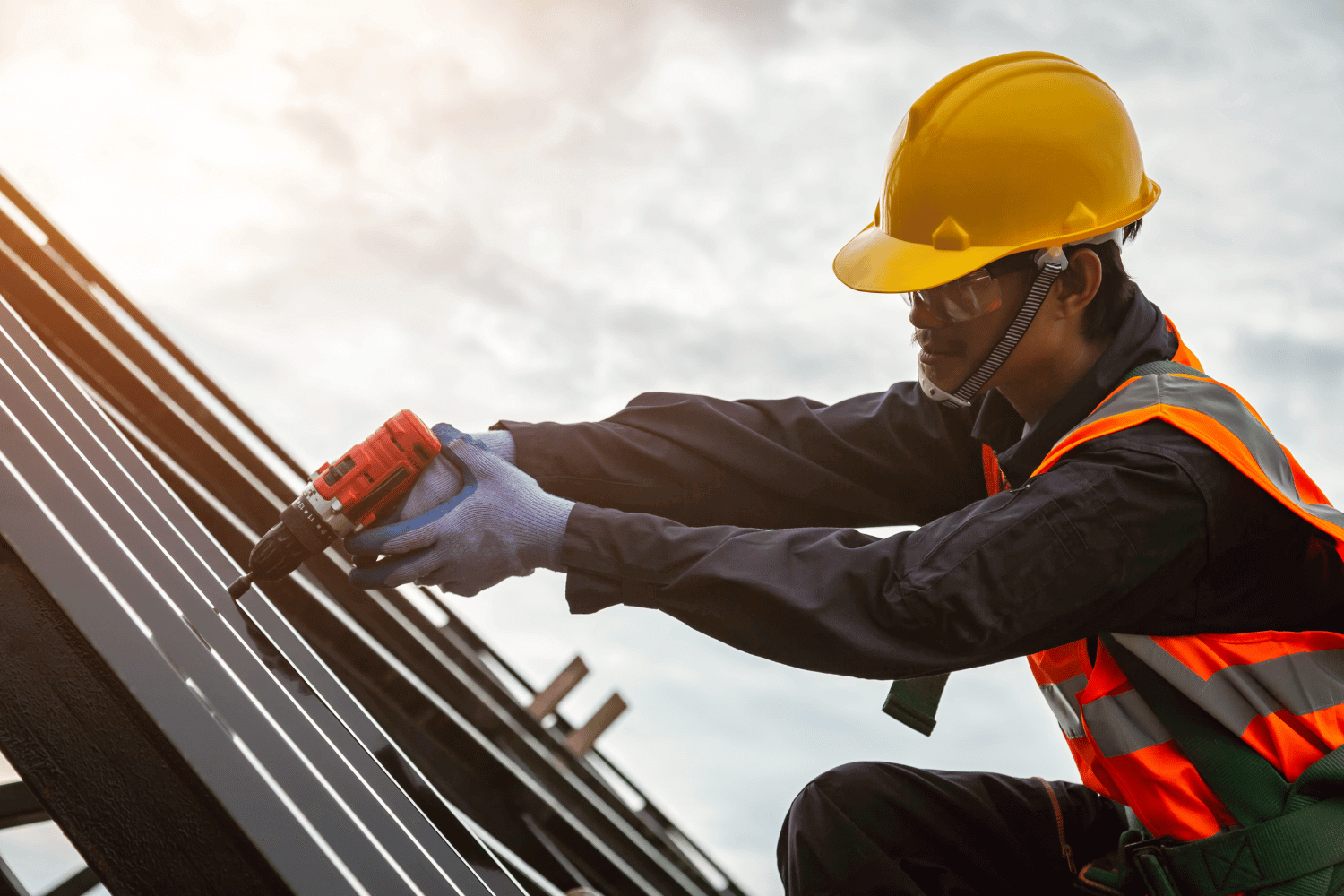
Workers engaged in the installation process of a new roof.

Embarking on a new construction roofing project involves several crucial steps that ensure the success and longevity of your new roof. From the initial planning and design to the final installation, each phase plays a vital role in achieving a roof that is both functional and aesthetically pleasing.

The process begins with meticulous planning and design, where the specific needs of the project are assessed and the best roofing system is chosen. Material selection follows, with options tailored to the homeowner’s preferences and the local climate.

Finally, the installation process brings everything together, with skilled roofers ensuring that every detail meets the highest standards of craftsmanship and quality.

Planning and Design

The planning and design phase is critical for the success of any new construction roofing project. This phase starts with a detailed inspection of the building envelope to determine the most suitable roofing type based on the climate, architectural style, and specific needs of the home. During this phase, a thorough consultation takes place where homeowners can discuss their preferences, including the optimal roofing material choices and color schemes that best complement the home’s overall design.

Choosing the right roofing material and color can greatly enhance the visual harmony and curb appeal of the home. Coordinating the roof color with the home’s siding and architectural style creates a cohesive and attractive exterior that reflects the homeowner’s personal style. This careful planning ensures that the new roof not only protects the home but also adds significant aesthetic value.

Material Selection

Selecting the right roofing materials is a crucial step in ensuring the durability and appearance of your new roof. Common materials for new roofs include asphalt shingles, metal roofs, and dimensional shingles, each offering distinct benefits and characteristics. An asphalt shingle roof is the most commonly used roofing material in American homes due to its affordability, ease of maintenance, and variety of colors and finishes.

Metal roofing is known for its strength, durability, and longevity, often lasting over 50 years. Its reflective properties also contribute to energy efficiency by keeping the house cooler in the summer.

Dimensional shingles, also known as architectural shingles, provide a textured appearance and add depth and sophistication to the roof. The choice of material should consider factors like durability, aesthetics, maintenance requirements, and local climate conditions.

Installation Process

The installation process for new construction roofing begins once the planning and material selection phases are complete and the contract is approved and signed. This phase involves the actual roof installation, where skilled roofers meticulously follow the planned design and specifications to ensure top-quality workmanship and long-lasting results.

After the installation is complete, a detailed inspection is conducted to verify that all roofing system requirements have been met and that the roof is installed correctly. This final inspection ensures that the new roof not only meets but exceeds the homeowner’s expectations, providing peace of mind and long-term protection.

Choosing the Right Roofing Contractor

Selecting the right roofing contractor is a critical decision that can significantly impact the success of your new construction roofing project. A trusted roofing contractor guarantees reliable service and expertise, ensuring that your roof is installed correctly and efficiently.

Key qualities to look for in a trusted local roofing contractor include solid credentials, extensive experience, positive customer reviews, and comprehensive warranties and guarantees.

Credentials and Experience

When choosing a roofing contractor, it’s essential to consider their credentials and experience. Contractors like Owens Corning Platinum Preferred Contractors meet high standards in workmanship and customer service, making them a reliable choice for your roofing needs.

Reviewing a contractor’s portfolio of past projects and customer reviews can provide valuable insights into their quality of work and reliability. A reputable contractor with over a decade of industry experience and a proven track record of quality workmanship is more likely to deliver superior results and ensure your satisfaction.

Customer Reviews and Referrals

Customer reviews and referrals are invaluable resources when selecting a roofing contractor. Reviews provide firsthand insights into a contractor’s professionalism, communication skills, and quality of work, helping you make an informed decision. Referrals from friends, family, neighbors, and past customers are also incredibly valuable, as they come from trusted sources who have experienced the contractor’s services firsthand.

A stable company with extensive experience in the roofing industry is often a safer choice, as their longevity indicates a track record of delivering quality work and maintaining customer satisfaction.

Warranty and Guarantees

Warranties and guarantees are essential aspects of choosing a roofing contractor, as they provide long-term protection and peace of mind for homeowners. A strong warranty reflects the contractor’s confidence in their workmanship. It also showcases the quality of materials used. Reputable roofing contractors should offer warranties that cover both materials and labor, ensuring comprehensive protection.

Dream Home Roofers, for example, offers a Lifetime Workmanship Warranty, guaranteeing high-quality materials and customer satisfaction. This commitment to excellence ensures that homeowners can trust in the longevity and durability of their new roof.

Cost Considerations for New Construction Roofing

A visual representation of various roofing materials and their costs.

Understanding the cost considerations for new construction roofing is crucial for planning and budgeting your project. Several factors contribute to the cost of a new roof. These include the roof’s size, the chosen materials, accessibility, and any necessary additional repairs.

Finalizing the design and material selection helps determine the appropriate roofing materials and ensures compliance with local building regulations.

Material Costs

The choice of roofing materials directly affects the total cost of your new construction roofing project. Among the various options, asphalt shingles are the most affordable, with costs ranging between $4,500 and $8,000 per 1,000 square feet. Composite shingles, made from recycled materials, are a pricier variant of asphalt shingles. Other materials, like slate tiles, can be significantly more expensive, ranging from $4 to $40 per square foot, depending on the quality and type.

Additional material costs may include the installation of ice and water barriers, which are essential in areas prone to heavy rainfall to prevent moisture damage. When planning your budget, it’s important to consider these add-ons and components beyond the new shingles themselves.

Labor Costs

Labor costs are a significant component of the overall expenses in roofing projects. Factors such as project complexity, intricate designs, and special warranties can substantially increase labor costs. For example, high-pitch roofs often require additional safety measures and equipment, which can drive up labor expenses.

Certain roofing materials, like slate and metal, require more expertise and longer installation times, further increasing labor costs. It’s essential to account for these variations when estimating the total cost of your new construction roofing project to avoid any surprises.

Additional Expenses

In addition to material and labor costs, there are other expenses to consider in a new construction roofing project. Permits and fees for debris removal can add unforeseen costs. These expenses might seem minor, but they accumulate quickly, impacting the overall budget.

Other potential expenses include the cost of roof trusses and any structural reinforcements needed to support the new roof. Being aware of these additional costs will help you plan more accurately and ensure that your project stays within budget.

Financing Options for New Construction Roofing

A homeowner reviewing financing options for roofing services.

Financing options are a crucial consideration for many homeowners undertaking a new construction roofing project. Various options are available, including credit cards, personal loans, home equity loans, and contractor financing. Each method has its pros and cons, and choosing the right one depends on your financial situation and long-term plans.

Flexible Financing Plans

Dream Home Roofers offers flexible payment plans that allow homeowners to start their roofing projects without upfront costs. These plans come with convenient terms and no prepayment penalties, making it easier for homeowners to manage their finances while achieving their home improvement goals.

Clients benefit from affordable monthly payments, ensuring that financial constraints do not hinder the completion of their roofing projects. Free, no-obligation estimates help homeowners understand their financial options better, allowing them to plan accordingly.

Insurance Coverage

Homeowners insurance can sometimes cover roofing costs, particularly if the damage results from severe weather or fallen trees. If the damage is due to qualifying events, insurance may reimburse costs associated with roofing repairs or replacements.

After filing a claim, insurance companies typically send an adjuster to assess the extent of the damage. Contractors can provide thorough assessments and support throughout the claims process, simplifying it for homeowners and ensuring they receive the coverage they’re entitled to.

Importance of Routine Maintenance

Regular maintenance is essential to extend the lifespan of your roof and ensure its optimal performance over time. Routine maintenance helps detect roof damage early, preventing minor issues from developing into major structural problems that are more costly and time-consuming to repair.

Scheduled Inspections

Scheduling routine inspections is vital to maintaining the integrity of your roof. These inspections can reveal damage that isn’t visible from the ground, allowing you to address potential issues before they escalate.

It’s generally recommended to conduct roof maintenance inspections at least once a year to ensure long-term protection and catch any problems early. Regular inspections can save you significant amounts on major repairs by identifying and fixing issues promptly.

Preventative Measures

Implementing preventative measures, such as regularly cleaning gutters and addressing minor repairs promptly, can significantly extend the lifespan of your roof. Common issues like missing shingles or small leaks should be repaired immediately to prevent more significant damage.

These minor repairs are key factors in maintaining your roof’s integrity and avoiding costly mistakes in the future. Regular maintenance and preventative measures are essential for protecting your investment and ensuring your roof remains in top condition.

Enhancing Curb Appeal with New Roofing

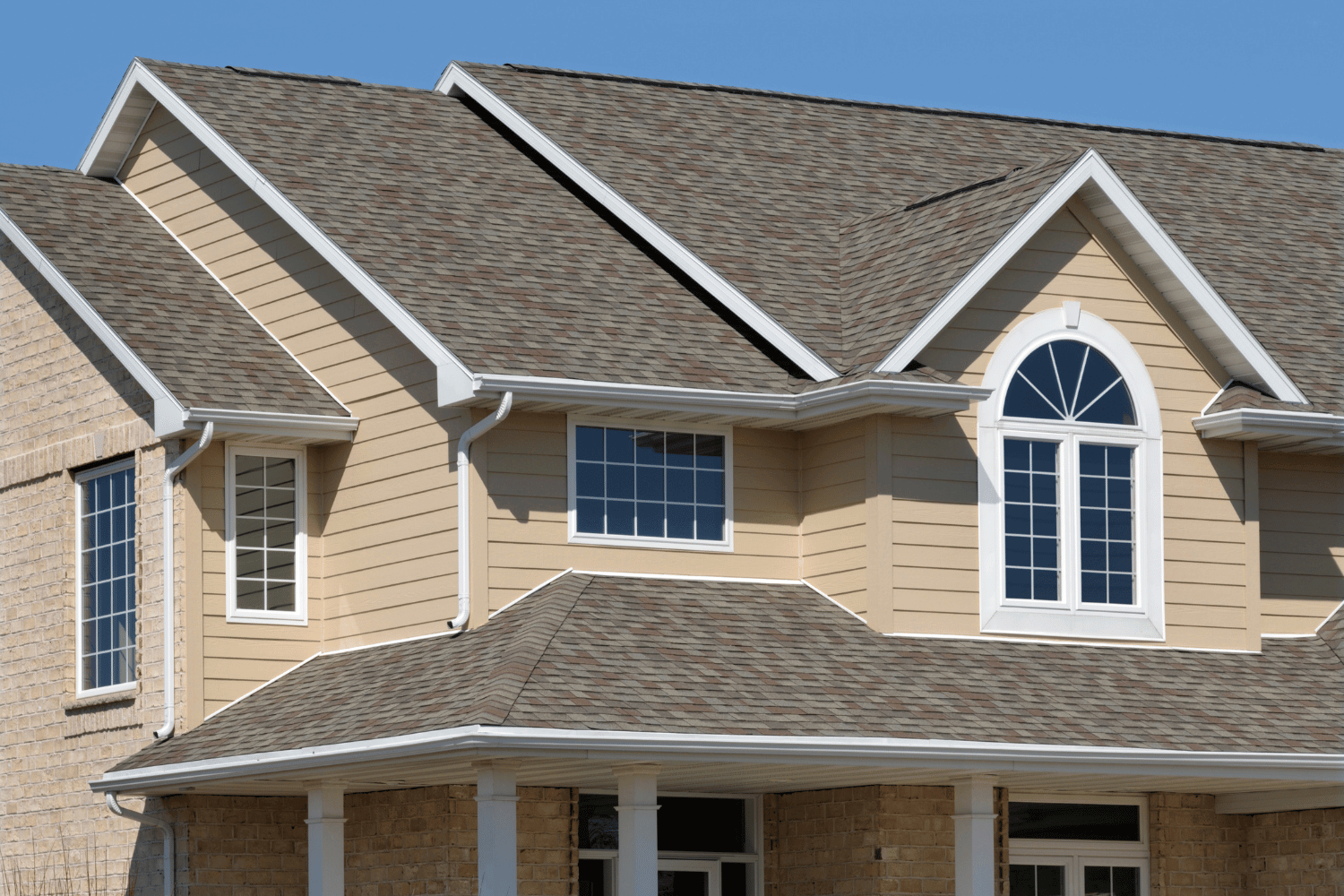
A beautifully designed house showcasing enhanced curb appeal with new roofing.

A new roof can significantly refresh a home’s exterior and boost its curb appeal. The visual impact of a well-designed roof can make your home stand out in the neighborhood, creating a polished and cohesive exterior.

Design Choices

The initial planning and design phase are crucial to ensure that the roofing complements the overall architecture of your home. Choosing from various roofing materials like asphalt shingles, metal roofs, or dimensional shingles allows homeowners to express their style and enhance the property’s aesthetic.

A new roof can dramatically enhance the curb appeal of a home, elevating its overall visual appeal and creating a positive impression.

Long-Term Value

Quality roofing materials provide long-lasting protection while also improving property value. High-quality materials contribute to a roof’s longevity, positively impacting the home’s value and buyer interest.

Professional installation of quality roofing materials ensures proper performance over time, ultimately maximizing long-term value for homeowners.

Contact Dream Home Roofers

Dream Home Roofers provides comprehensive roofing services, including installation, replacement, and repairs. Our team is committed to delivering exceptional customer service and support throughout your roofing project.

Whether you need a new roof installation or a simple roof repair, we are here to help.

Schedule a Consultation

Scheduling a consultation with Dream Home Roofers is simple and convenient. You can call us at 1-855-610-9720 or visit our website to fill out an online form. During the consultation, Sandra will discuss the details of your roofing project, helping you make informed decisions about your roofing needs.

Potential clients can easily set up a consultation by calling or using the online form, ensuring that all your questions and concerns are addressed before starting the project.

Customer Support

At Dream Home Roofers, we prioritize customer satisfaction and are dedicated to providing efficient service throughout the roofing process. Our team is committed to ensuring that every project meets the highest standards of quality workmanship and customer service.

Whether it’s a minor repair or a complete roof replacement, our dedicated team is here to support you every step of the way, ensuring that your roofing needs are met with professionalism and care.

Summary

Understanding the nuances of new construction roofing can make a significant difference in the success of your project. From selecting the right materials and planning the design to choosing a trusted contractor and considering financing options, each step plays a crucial role in achieving a durable, aesthetically pleasing roof.

Investing in a quality roof is a long-term commitment that enhances your home’s value, energy efficiency, and curb appeal. By following the tips and insights provided in this blog post, you can make informed decisions that will benefit your home for years to come. Reach out to Dream Home Roofers today to start your roofing journey with confidence.

Frequently Asked Questions

What services does Dream Home Roofers provide?

Dream Home Roofers provides roof installation and replacement. These services ensure your home is protected and well-maintained.

What are some signs that indicate a new roof may be needed?

A new roof may be needed if you notice persistent leaks, missing or damaged shingles, visible sagging, granules in the gutters, bald spots, or if the roof is over 20 years old. Addressing these signs promptly can prevent further damage.

What distinguishes Dream Home Roofers as a roofing contractor?

Dream Home Roofers stands out for its expertise, high-quality materials, exceptional customer service, and recognition as Owens Corning Platinum Preferred Contractors. These factors ensure reliable and top-tier roofing solutions for clients.

What financing options does Dream Home Roofers offer?

Dream Home Roofers provides flexible financing options that allow homeowners to upgrade their roofs without any upfront costs. This makes it easier for you to manage your home improvement budget effectively.

How can customers get in touch with Dream Home Roofers?

Customers can easily get in touch with Dream Home Roofers online to schedule a consultation for their roofing needs. This ensures a convenient and efficient way to address any installation, replacement, or repair inquiries.

https://dreamhomeroofers.com/wp-content/uploads/2024/09/dhr-logo.png 0 0 Dream Home Roofers https://dreamhomeroofers.com/wp-content/uploads/2024/09/dhr-logo.png Dream Home Roofers2024-12-12 08:00:422025-08-25 09:40:21Top Tips for Roofing for New Construction Projects
An array of Owens Corning roofing shingles displayed in various colors and styles.

Owens Corning Shingles in King of Prussia, PA | Preferred Contractor

in Roof Installation, Roofing/by Dream Home Roofers

If you’re replacing a roof in King of Prussia and you want to use Owens Corning products, the contractor you hire matters as much as the shingles themselves. Owens Corning’s best warranty options are only available through Preferred Contractors. Dream Home Roofers holds Owens Corning Preferred Contractor status and installs the full Owens Corning residential shingle line throughout King of Prussia and Montgomery County, PA.

What the Owens Corning Preferred Contractor Designation Means

Owens Corning divides its contractor network into tiers based on training, installation volume, and customer satisfaction standards. As a Preferred Contractor, Dream Home Roofers can offer customers access to the Owens Corning Preferred Protection warranty, which covers both the shingle materials and our workmanship in a single contract. This warranty is not available when working with non-Preferred installers, regardless of what shingle products they purchase.

Owens Corning Shingle Lines We Install in King of Prussia

Oakridge

The Oakridge is Owens Corning’s entry-level dimensional shingle. It carries a Lifetime limited warranty (prorated after 10 years), 130 mph wind resistance, and StainGuard algae resistance. It looks like an architectural shingle from the street at a price point that’s 10 to 15 percent lower than the Duration series. For homeowners prioritizing budget over maximum performance, this is a solid starting point.
Duration Series

The Duration is the most commonly installed Owens Corning shingle in the King of Prussia market and for good reason. It uses SureNail technology, which improves fastener holding strength significantly over standard shingle nailing. It carries a 50-year limited warranty, 130 mph wind resistance, and StainGuard Plus algae resistance. For most homeowners in KOP, the Duration hits the best balance of cost, performance, and warranty coverage.

Duration Flex

The Duration Flex uses a polymer-modified asphalt formulation that gives the shingle additional flexibility in cold temperatures. This is specifically worth considering in the King of Prussia area where winters produce significant freeze-thaw cycling. Standard asphalt shingles become brittle in very cold conditions, which makes them more susceptible to cracking during installation or after hail impact. The Flex formulation holds up better through Pennsylvania winters.

TruDefinition Duration and Designer Collections

The TruDefinition line uses a dual-layer granule application that creates deeper color contrast and a more textured appearance than standard Duration shingles. If you’re on a higher-value property in KOP or simply want the roof to stand out from the street, the TruDefinition Designer options give you that dimension without going to a completely different material. These carry the same performance specs as the standard Duration but at a 15 to 25 percent material cost premium.

How Owens Corning Shingle Lines Compare in Price (King of Prussia, PA)

• Oakridge: $8,000 to $11,000 installed on a typical single-story KOP home.
• Duration: $9,500 to $13,500 installed.
• Duration Flex: $10,500 to $14,500 installed.
• TruDefinition Duration Designer: $12,000 to $17,000 installed.
• Prices include Fairfax County permit, tear-off of existing roof, and standard underlayment. Homes with steep pitch, decking damage, or complex geometry will fall at the higher end.

Frequently Asked Questions: Owens Corning Shingles

What is the best Owens Corning shingle for a home in King of Prussia, PA?

For most KOP homes, the Owens Corning Duration series gives the best combination of cost, warranty, and performance. The SureNail technology provides stronger wind resistance and the 50-year limited warranty is the best in the standard Owens Corning lineup. For homeowners who want enhanced curb appeal, the TruDefinition Duration Designer collections are the next step up.

Is Dream Home Roofers an Owens Corning Preferred Contractor?

Yes. Dream Home Roofers is an Owens Corning Preferred Contractor. This means our installations qualify for the Owens Corning Preferred Protection warranty, which covers both materials and
workmanship under a single contractor-backed warranty. This level of coverage is not available through non-Preferred installers.

How do Owens Corning shingle lines compare in price?

The Oakridge runs roughly 10 to 15 percent less per installed square than the Duration series. The Duration Flex and TruDefinition Designer collections add a further 15 to 25 percent premium over standard Duration. Dream Home Roofers provides itemized written estimates for any Owens Corning product so you can compare full installed costs side by side before making a decision.

What warranty comes with Owens Corning shingles installed by Dream Home Roofers?

As an Owens Corning Preferred Contractor, Dream Home Roofers can offer the Owens Corning Preferred Protection warranty on qualifying installations. This covers the shingle materials under the standard Owens Corning limited warranty and backs the installation workmanship separately. The specific terms depend on the shingle line chosen. We will walk you through the warranty options during your free estimate.

https://dreamhomeroofers.com/wp-content/uploads/2024/12/An-array-of-Owens-Corning-roofing-shingles-displayed-in-various-colors-and-styles.-1.png 1000 1500 Dream Home Roofers https://dreamhomeroofers.com/wp-content/uploads/2024/09/dhr-logo.png Dream Home Roofers2024-12-10 08:00:452026-04-07 07:46:58Owens Corning Shingles in King of Prussia, PA | Preferred Contractor
Different roof styles that enhance aesthetic appeal.

Achieving an Aesthetic Roof: Top Design Tips for Modern Homes

in Roof Installation, Roofing/by Dream Home Roofers

Looking to improve your home’s curb appeal? An aesthetic roof can make all the difference. Discover tips on materials, colors, and styles to create a visually appealing roof.

Key Takeaways

  • A well-designed roof significantly enhances a home’s aesthetic appeal and contributes to its market value.
  • Choosing appropriate roofing materials and architectural details is essential for creating visual harmony with your home’s overall design.
  • Regular maintenance and professional guidance are key to preserving the aesthetic integrity and functionality of your roof.

Achieving an Aesthetic Roof: Top Design Tips for Modern Homes

A modern home showcasing an aesthetic roof design.

A well-designed roof can elevate the entire appearance of your home, making a lasting impression on visitors and potential buyers. The choice of roofing materials and designs you select can reflect your personality and enhance the home’s character. Whether you prefer the timeless elegance of slate roofs or the modern appeal of metal roofs, harmonizing form with function is essential to achieving an attractive roof.

The shape, color, and condition of your roof play a pivotal role in its aesthetic appeal. A well-maintained roof not only enhances curb appeal but also creates a visual harmony with other elements of your home, such as siding and landscaping. Improving roof aesthetics through thoughtful design choices can create a memorable visual impact that sets your property apart.

Moreover, enhancing a roof’s aesthetic is crucial for maintaining the historical integrity of a structure. Considering the overall design and style of your building ensures that your roof complements and enhances your home’s architectural beauty.

Introduction

Dream Home Roofers is dedicated to providing expert roofing solutions that not only protect your home but also enhance its beauty. This guide offers essential design tips and considerations to achieve an aesthetically pleasing roof that aligns with your home’s overall appearance.

Discover how the right roofing choices can transform your living space.

The Importance of Roof Aesthetics

The importance of roof aesthetics highlighted by a visually appealing roof.

The roof is undoubtedly a defining feature of any home, significantly influencing its overall visual appeal. With the roof accounting for up to 40% of a home’s visible exterior, its condition and style play a crucial role in creating a positive first impression. A well-designed roof enhances your home’s aesthetic appeal and functionality, turning it into your dream home.

Investing in a quality roof not only improves the visual harmony with other elements of your home but also boosts its resale value. Potential buyers often form their initial opinions based on the roof’s aesthetic condition and style. Thoughtful roof design choices can create a memorable visual impact that sets your property apart.

Furthermore, a well-maintained and attractive roof can significantly enhance a property’s marketability. Whether it’s through distinctive roofing materials, unique designs, or complementary color schemes, improving your roof’s aesthetics is a key factor in enhancing the overall appearance and value of your home.

Choosing the Right Roofing Materials and Colors

Choosing the right roofing materials is a critical step in transforming your house into a visually striking structure. The materials and colors you select should not only suit your aesthetic preferences but also align with your home’s architectural style. Popular materials like asphalt shingles, metal roofs, and slate roofs each offer distinct aesthetic and functional benefits that contribute to the overall visual appeal of your home.

Asphalt shingles are the most widely used roofing material in North America due to their affordability and versatility. They come in various colors and styles, making it easy to find an option that complements your home’s exterior. Metal roofs, on the other hand, are highly resilient and can last up to 70 years, providing a modern and sleek appearance.

Slate roofs are known for their durability and timeless elegance, capable of lasting over a century. While their installation can be costly, their fire-resistant and recyclable nature makes them an excellent choice for those seeking a long-term investment. Additionally, clay and concrete tiles offer a unique aesthetic and are also durable and fire-resistant, though they may require additional roof support due to their weight.

Local climate conditions should be considered when selecting roofing materials, as some perform better in specific environments. For example, light-colored roofs are preferred in warmer climates to reflect sunlight and maintain cooler indoor temperatures. Taking these factors into account helps in choosing roofing materials and colors that enhance your home’s exterior and ensure its longevity.

Architectural Details that Enhance Roof Design

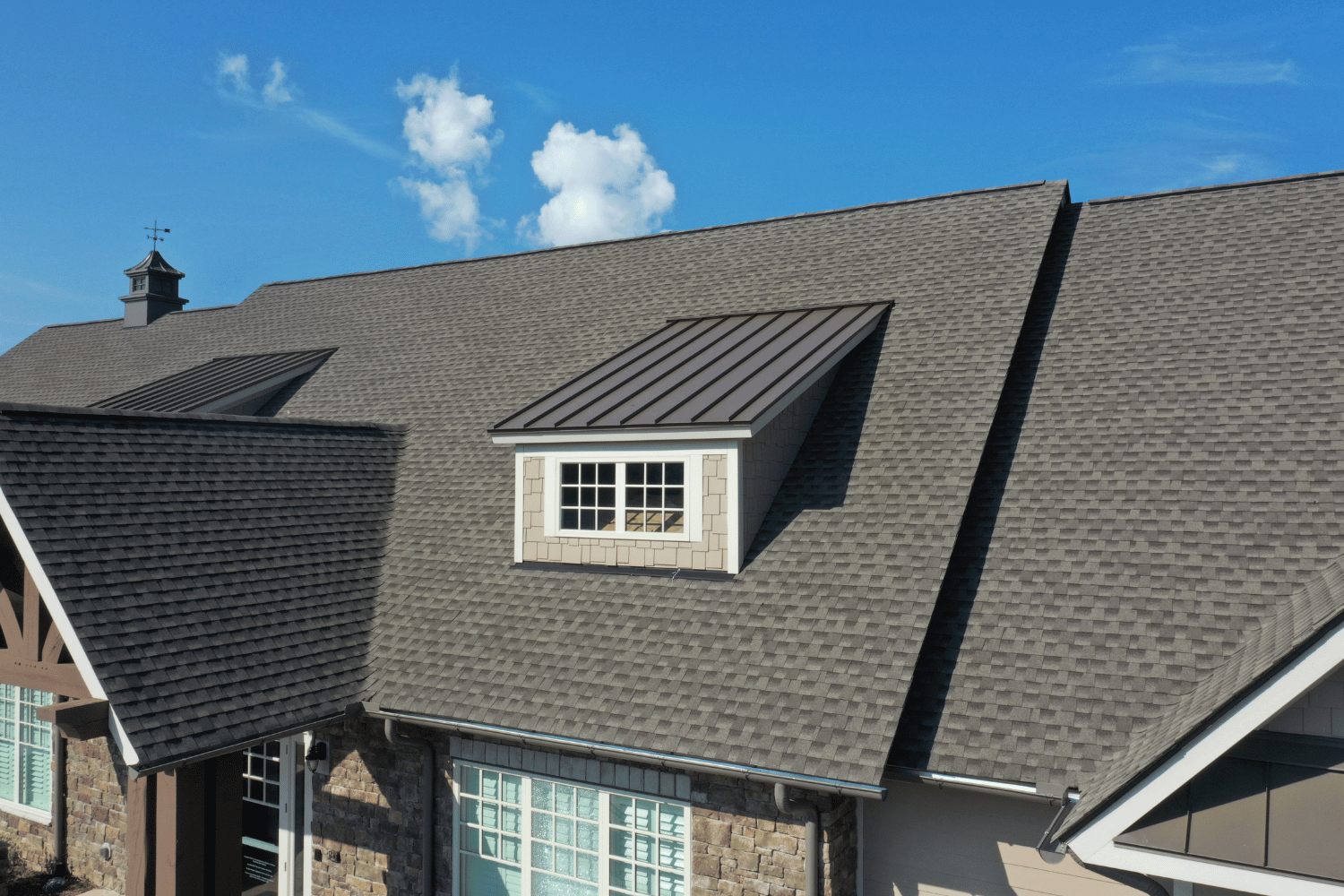
Incorporating architectural details like dormers and gables can add significant character and interest to your roof, enhancing its overall visual appeal. Dormers, such as shed and hipped types, introduce distinct visual characteristics to your roof, providing extra space and natural light while contributing to both aesthetics and functionality.

Gable roofs, with their triangular shape, are highly valued for their visual appeal and effective drainage. This classic design not only enhances the roof’s appearance but also ensures practical benefits. Unique designs like butterfly roofs, recognized for their distinctive V-shape, further enhance the natural lighting and ventilation in the interior.

Other architectural details like jerkinhead roofs and A-frame roofs can also contribute to the roof’s aesthetic appeal. Jerkinhead roofs blend elements of gable and hip designs, creating an eye-catching appearance while effectively shedding rain and snow. Meanwhile, A-frame roofs provide a striking triangular shape that adds aesthetic value and helps with snow and rain runoff.

Popular Roof Styles for Aesthetic Appeal

Different roof styles that enhance aesthetic appeal.

Roof styles play a crucial role in defining the aesthetic appeal of your home. Flat roofs are often utilized in modern designs, offering a sleek profile and the potential for rooftop gardens. The aesthetic benefits of flat roofs include allowing for gardens and solar panel installations, making them a versatile choice for contemporary homes.

Hip roofs are known for their symmetrical design that adds stability and elegance to various architectural styles. The slopes on a hip roof create a balanced and aesthetically pleasing appearance, making them a popular choice for modern home designs.

Mansard roofs, with their steep lower pitch and almost flat roof upper section, provide increased living space and a distinctive silhouette that creates a romantic ambiance.

Butterfly roofs, characterized by their striking V-shape, channel rainwater effectively and add a dramatic visual element to the home. Choosing the right roof style significantly enhances your home’s overall aesthetic, ensuring it stands out in the neighborhood.

Incorporating Sustainable and Eco-Friendly Options

Sustainable roofing materials not only contribute to a home’s durability and aesthetic value but also help reduce its environmental impact. Metal roofing, often made from recycled materials, minimizes energy consumption and carbon emissions associated with production. This makes metal roofs a sustainable choice that combines longevity with eco-friendliness.

Green roofs or rooftop gardens offer both environmental advantages and aesthetic appeal. They manage stormwater, enhance air quality, and foster urban biodiversity. Additionally, green roofs can transform an otherwise standard roof into a vibrant green space, contributing to energy efficiency and biodiversity. The benefits of green roofs include reducing heat, improving air quality, and catching rainwater to prevent runoff.

Modern roofing options like solar tiles and cool roofs can significantly enhance a home’s energy efficiency. Solar tiles integrate seamlessly with roofing structures, offering an aesthetic appeal while generating renewable energy. Cool roofs utilize reflective coatings to decrease heat absorption, leading to lower cooling costs and improved energy efficiency.

Enhancing Roof Aesthetics with Accessories

Accessories that enhance roof aesthetics.

Roof accessories like cupolas and weathervanes can significantly enhance the visual appeal of your home. Cupolas serve as decorative structures that add charm and character, while weathervanes provide both functional and ornamental benefits by indicating wind direction. These accessories not only contribute to the roof’s aesthetics but also add a personal touch to your home’s exterior.

Proper installation of roof accessories is crucial to ensure they remain functional and do not compromise the roof’s integrity. Choosing and installing accessories wisely augments the aesthetic charm of modern homes and creates a unique, visually appealing roof.

The Role of Professional Roofing Contractors

Professional roofing contractors play a vital role in ensuring both the aesthetic appeal and structural integrity of your roof. They provide valuable guidance on matching roofing materials with local climate conditions and architectural styles, ensuring that your roof not only looks good but also performs well in the roofing industry.

At Dream Home Roofers, we pride ourselves on using quality materials, offering exceptional customer service, and providing flexible financing options. These commitments enable homeowners to achieve their desired upgrades without the burden of upfront costs, ensuring a seamless experience from start to finish.

Maintenance Tips for Long-Lasting Beauty

Regular maintenance is key to preserving the aesthetics and long-term value of your roof. Annual inspections help identify potential issues before they escalate, ensuring that your roof remains in top condition. Clearing debris, regularly cleaning gutters, and trimming overhanging tree branches can prevent moisture buildup and associated damage.

Addressing issues promptly, such as fixing leaks and replacing loose or damaged shingles, is vital to maintaining the roof’s integrity. Regular checks for flashing and seals are necessary to avoid water intrusion, and proper water flow management can prevent accumulation and damage.

Following these maintenance tips ensures that your roof remains aesthetically pleasing and functional for years to come.

Aligning Roof Design with Home’s Exterior

Roof design aligned with the home's exterior for aesthetic appeal.

The roof’s design should complement other exterior elements to create a cohesive and visually appealing look. Choosing roofing materials and colors that enhance your home’s architectural style is crucial for achieving aesthetic coherence. For example, a modern metal roof pairs well with a minimalist garden, while a wooden shingle roof suits a more colorful landscape.

Transitional elements between the roof and the walls should be seamless to achieve a cohesive look. Accessories like weathervanes and cupolas should align with the overall architectural style of the home, enhancing both its beauty and character. By thoughtfully aligning your roof design with your home’s exterior, you can create a harmonious and visually striking appearance.

High-Tech Roofing Solutions for Modern Homes

Modern roofing technologies offer innovative solutions that enhance both aesthetic appeal and functionality. Cool roofing materials, for example, can improve energy efficiency by reflecting more sunlight and reducing cooling costs, which can complement air conditioning systems. These materials are especially beneficial in hot climates, where managing heat absorption is crucial.

Smart roofs equipped with WiFi sensors can detect potential issues like leaks before they escalate into major problems. Advanced solar shingles provide a visually appealing alternative to traditional solar panels while generating electricity.

By incorporating these high-tech solutions, homeowners can enjoy a modern and efficient roofing system that complements their home’s design.

Common Mistakes to Avoid in Roof Design

Avoiding common mistakes in roof design is essential to ensure both aesthetic appeal and functionality. Mismatched styles, neglecting material quality, and skipping professional advice can lead to costly repairs and unsatisfactory results.

Selecting the right materials and styles that can withstand local weather conditions is crucial for a durable and visually pleasing roof.

Summary

In summary, achieving an aesthetic roof requires thoughtful consideration of materials, colors, architectural details, and maintenance. By aligning your roof design with your home’s exterior and incorporating sustainable options, you can enhance both the visual appeal and functionality of your roof. With the expertise of professional roofing contractors like Dream Home Roofers, you can transform your home into a stunning, durable masterpiece that stands the test of time.

Frequently Asked Questions

Why is the aesthetic appeal of a roof important?

The aesthetic appeal of a roof is crucial as it constitutes up to 40% of a home’s visible exterior, greatly impacting the property’s overall appearance and marketability. Therefore, a visually appealing roof enhances both the charm and value of the residence.

What are some popular roofing materials and their benefits?

Asphalt shingles are favored for their affordability and versatility, while metal roofs offer durability and a modern aesthetic. Slate roofs are appreciated for their timeless elegance and exceptional longevity, making them a popular choice as well.

How can I incorporate sustainable options into my roof design?

Incorporating sustainable options into your roof design can be effectively achieved by using recycled metal roofing, installing solar tiles, and creating green roofs. These choices not only improve energy efficiency but also minimize environmental impact and provide distinctive aesthetic advantages.

What role do professional roofing contractors play in roof design?

Professional roofing contractors play a crucial role in roof design by offering expert advice on material selection, ensuring proper installation, and maintaining the roof’s aesthetic appeal and structural integrity. Their expertise is essential for achieving a durable and visually pleasing outcome.

What are common mistakes to avoid in roof design?

Avoid mismatched styles, neglecting material quality, and bypassing professional advice in roof design, as these can result in expensive repairs and unsatisfactory outcomes. Prioritizing cohesive design and expert guidance is essential for a successful project.

https://dreamhomeroofers.com/wp-content/uploads/2024/12/Different-roof-styles-that-enhance-aesthetic-appeal.-1.png 1000 1500 Dream Home Roofers https://dreamhomeroofers.com/wp-content/uploads/2024/09/dhr-logo.png Dream Home Roofers2024-12-03 08:00:082025-08-26 03:54:32Achieving an Aesthetic Roof: Top Design Tips for Modern Homes

Best Practices for Installing Shingles on a Low Pitch Roof | West Caldwell, NJ

in Roof Installation, Roof Repair, Roofing/by Dream Home Roofers

Most roofing guides assume a standard pitch. If your home has a low-slope or low-pitch roof, the standard approach doesn’t apply, and using the wrong materials or skipping the right underlayment layers is one of the most common reasons low-pitch roofs fail early. Dream Home Roofers has been installing and replacing roofs across West Caldwell, NJ and the surrounding area for years. We know what these roofs need and what they don’t.

What Counts as a Low Pitch Roof?

Roof pitch is measured as a ratio of vertical rise to horizontal run over 12 inches. A 4:12 pitch rises 4 inches for every 12 inches of horizontal distance. Anything below 4:12 is generally considered low-slope territory, and anything below 2:12 falls into flat or low-slope roofing and requires different materials entirely.
• 4:12 and above: standard asphalt shingles work fine with standard underlayment.
• 2:12 to 4:12 (low pitch): asphalt shingles can work but require a double layer of underlayment and a manufacturer-approved installation method.
• Below 2:12 (low slope): asphalt shingles are not appropriate. Modified bitumen, TPO, or similar low-slope systems are required.

Why Low Pitch Roofs Need Special Attention

Water drains slowly on a low-pitch roof. On a steep-slope roof, rain hits and runs off quickly. On a low-pitch surface, water lingers longer, which puts more pressure on every seal, seam, and fastener. In New Jersey’s climate, that includes freeze-thaw cycles in winter that can force water into any gap that isn’t properly sealed.

New Jersey also gets significant wind-driven rain during nor’easters and late-season storms. Wind-driven rain behaves differently than falling rain and can push water under shingles that would otherwise shed it fine in calm conditions. This is why the underlayment system on a low-pitch roof is more important than on a steeper one.

The Right Way to Shingle a Low Pitch Roof

Underlayment First

On any roof with a pitch between 2:12 and 4:12, New Jersey code requires a double layer of underlayment. In practice, we use a self-adhering ice and water shield for the full surface on pitches this
low, not just at the eaves. This gives you a continuous waterproof barrier underneath the shingles, so if water works its way under a shingle in a wind-driven rain event, it has nowhere to go that damages your decking.

Shingle Selection and Offset

Not all asphalt shingles are rated for low-pitch use. Check the manufacturer’s installation instructions before specifying a product. On low-pitch installations, the shingle exposure, meaning how much of each shingle is left uncovered, needs to be reduced compared to a standard installation. This tightens up the overlap and gives water less opportunity to find a gap.

Fastener Pattern and Starter Course

Wind uplift is a bigger concern on low-pitch roofs than steep ones because the angle of the surface catches wind differently. We use a six-nail fastening pattern on low-pitch applications rather than the standard four-nail pattern, and we always install a full-coverage starter strip along all rakes and eaves, not just the bottom edge.

Common Mistakes on Low Pitch Roofs

• Using standard underlayment instead of full self-adhering membrane coverage.
• Installing shingles at standard exposure instead of reducing it for low-pitch.
• Skipping the six-nail fastening pattern and using four nails instead.
• Not extending flashing far enough up walls and penetrations where the shallow pitch reduces
drainage speed.
• Choosing a shingle that isn’t manufacturer-rated for low-pitch installation.

When a Low Pitch Roof Needs to Be Replaced vs Repaired

If your low-pitch roof is under 15 years old and the damage is isolated, a targeted repair is usually the right call. If it’s over 20 years old, has widespread granule loss, or shows signs of moisture in the decking, a full replacement is almost always the better investment. Patching an aging low-pitch roof tends to just delay the inevitable while adding to the total cost.

What Low Pitch Roofing Costs in West Caldwell, NJ

• Low pitch shingle replacement on a typical West Caldwell home (1,200 to 2,000 sq ft of roof surface): $4,500 to $9,000 including full ice and water shield coverage and removal of the existing roof.
• Modified bitumen installation on a true low-slope or flat section: $6,000 to $12,000 depending on surface area and drainage conditions.
• Homes with decking damage, complex geometry, or multiple penetrations will fall toward the higher end of these ranges.

Frequently Asked Questions: Low Pitch Roof Shingles

What is the minimum roof pitch for asphalt shingles?

The minimum recommended pitch for standard asphalt shingles is 2:12. For pitches between 2:12 and 4:12, code requires a double layer of underlayment and a low-pitch installation method. Below 2:12, asphalt shingles are not appropriate and low-slope roofing materials like modified bitumen are needed instead.

Can you use architectural shingles on a low pitch roof?

Yes, but only on pitches of 4:12 and above under standard installation. For pitches between 2:12 and 4:12, some architectural shingle products are approved for low-pitch use but require a modified installation method with increased overlap and full self-adhering underlayment coverage. Always check the manufacturer’s low-slope specifications before proceeding.

How much does low pitch roofing installation cost in West Caldwell, NJ?

For a typical West Caldwell home, low-pitch shingle installation runs $4,500 to $9,000 including the required self-adhering membrane, tear-off of the existing roof, and all labor. Modified bitumen systems for true low-slope sections run $6,000 to $12,000 depending on size and drainage complexity. Dream Home Roofers provides free written estimates with no obligation.

Do I need a permit to replace a low pitch roof in West Caldwell, NJ?

Yes. West Caldwell, NJ requires a permit for all full roof replacements regardless of pitch. Dream HomeRoofers handles the permit process as part of every full replacement we complete in the area. Any contractor who offers to skip the permit is operating outside the law.

https://dreamhomeroofers.com/wp-content/uploads/2025/03/01-1.jpg 480 853 Dream Home Roofers https://dreamhomeroofers.com/wp-content/uploads/2024/09/dhr-logo.png Dream Home Roofers2024-11-28 08:00:192026-04-07 01:38:14Best Practices for Installing Shingles on a Low Pitch Roof | West Caldwell, NJ
Different types of roofs under construction, highlighting the average timeframes for shingling.

How Long Does It Take to Shingle a Roof: A Complete Guide

in Roof Installation, Roof Replacement, Roofing/by Dream Home Roofers

How long does it take to shingle a roof? On average, it can take from one day to a week. The specific time depends on factors like roofing material, roof size, and complexity. Learn what influences the timeline and how to plan your project.

Key Takeaways

  • The duration for shingling a roof ranges from 1 to 9 days, influenced by factors such as roofing material, roof size, and design complexity.
  • Installation methods vary by material; asphalt shingles are quicker to install than metal or wooden shingles, which require more time due to their complexity.
  • Timely roof replacement is essential to prevent severe structural issues and ensure family safety, as delays can lead to significant damage and increased repair costs.

How Long Does It Take to Shingle a Roof: A Complete Guide

An overview image of a house being shingled, illustrating the process of roof installation.

The time it takes to replace a shingle roof can vary widely. On average, it can span from as little as one day to as much as a week, depending on several factors. For instance, installing asphalt shingles on a typical residential roof usually takes about 1 to 2 days. However, the timeline can stretch to 8 or 9 days if you’re dealing with more complex materials like clay or concrete tiles.

Why such a range? The duration hinges on various elements, including the design complexity of the roof and the specific roofing material employed. Factors like the size of the roof and any structural repairs needed can significantly influence the timeline.

Different roofing materials also have unique installation methods that affect the overall duration. For example, metal roofs require precise fastening techniques and overlapping methods, which can extend the installation time.

Introduction

Homeowners often encounter a myriad of issues requiring roof replacement, such as leaks, hail damage, dark stains, organic growths, and warped shingles. These problems necessitate prompt action to prevent further damage to your home. Choosing the right contractor is crucial in ensuring quality workmanship and longevity of your new roof. Trusting Dream Home Roofers, with their decades of expertise, ensures that your roofing project will be handled with utmost care and precision.

Shingling a roof involves installing a layer of shingles over the roof deck to protect the structure from the elements. This task, though it might seem straightforward, requires meticulous planning and execution. From carrying bundles of materials to the roof to ensuring each shingle is perfectly aligned, every step affects the overall quality and durability of the installation, especially when you lay shingles.

The cost, weather conditions, and material choices also play significant roles in the project timeline.

The Shingling Process Overview

The journey of replacing a roof begins with an initial assessment and preparation. Typically, the time required to complete a roofing project ranges from 2 to 3 days, though this can vary based on specific circumstances. For asphalt shingle roofs, the installation itself usually takes about 1 to 2 days on a standard residential property. However, if you’re dealing with clay or concrete tiles, expect the project to take around 8 to 9 days.

Before:

The shingling process includes several critical steps to ensure durability and performance. First, the old shingles need to be removed, and the underlying structure must be inspected and repaired if necessary. This is followed by the application of underlayment and flashing to protect against water infiltration. Different materials have specific installation requirements; for instance, metal roofs demand precise fastening and overlapping techniques.

After:

The shingling process includes several critical steps to ensure durability and performance:

  1. Remove the old shingles.
  2. Inspect and repair the underlying structure if necessary.
  3. Apply underlayment and flashing to protect against water infiltration.
  4. Follow specific installation requirements for different materials; for instance, metal roofs demand precise fastening and overlapping techniques.

Moreover, the size and complexity of the roof significantly influence the timeline. Larger or more complex roofs with multiple levels or unique shapes require additional labor and materials, thereby extending the project duration. Factors like architectural or dimensional shingles, known for their multi-layered construction, can also affect the overall installation time.

Average Timeframes for Shingling Different Roof Types

Different types of roofs under construction, highlighting the average timeframes for shingling.

The type of roofing material and design complexity play crucial roles in determining how long it will take to complete your roof installation. For example, asphalt shingles, known for their ease of installation, typically require 1 to 3 days to install. This makes them a popular choice for many homeowners seeking a quick yet effective solution.

In contrast, metal roofs, which are renowned for their durability and longevity, can take anywhere from 2 to 7 days to install due to their complexity. Wooden shingles, with their intricate and detailed installation process, usually require around 6 to 8 days. Understanding these timeframes can help you plan your roof replacement more effectively.

Asphalt Shingle Roofs

Asphalt shingles are a staple in residential roofing, and for a good reason. They generally require about 1 to 2 days for installation on a typical residential asphalt shingle roof. Their relatively quick installation time, coupled with their affordability and effectiveness, makes them a favored choice among homeowners.

Additionally, on average-sized roofs, the installation timeframe for asphalt shingles is usually concluded within this short period.

Metal Roofs

Installing a metal roof is a more involved process compared to asphalt shingles. This type of roof generally takes about 4 to 6 days to install due to the precise techniques required. The complexity of metal roofing materials and the need for careful alignment and overlapping to prevent leaks extend the overall installation time.

Despite taking longer, metal roofs offer unmatched durability and longevity.

Wooden Shingles

Wooden shingles, while aesthetically appealing and environmentally friendly, come with a more detailed installation process. This type of roofing typically takes around 6 to 8 days to install.

The intricate nature of wooden shingle installation requires careful alignment and attention to detail to ensure proper weather resistance and longevity.

Factors Influencing Shingling Time

Factors influencing shingling time, including weather conditions and roof complexity.

Several factors can influence the time it takes to complete a shingle roof installation. For instance, the size and shape of the roof significantly determine the duration. Larger roofs naturally require more time and materials, while complex roof designs with elements like chimneys or skylights can further extend the timeline.

Unexpected challenges, such as discovering structural damage during the replacement process, can also lead to delays. Additionally, weather conditions play a critical role; inclement weather can halt activities until conditions improve.

Understanding these factors can help you better anticipate the timeline for your roof replacement.

Roof Size

The size of the roof is a primary factor affecting the installation timeline. Larger roofs require more time to shingle due to the increased labor and materials involved.

Complex roofs with multiple levels or unique shapes also demand meticulous fitting and alignment, which can further prolong the process.

Weather Conditions

Weather conditions can significantly impact the shingling process. Heavy rain, high winds, or extreme temperatures can delay roofing activities. Inclement weather can halt the installation, requiring additional steps to protect the roof until conditions improve.

Working in cold temperatures (below 40 degrees Fahrenheit) can also affect the handling of asphalt shingles, making them brittle and difficult to work with.

Roof Complexity

The complexity of the roof design is another critical factor. Features like skylights, dormers, and intricate drainage systems can complicate the roofing process. These elements require additional time for proper fitting and sealing to ensure a watertight installation.

Understanding the impact of roof complexity is vital for accurate timeline estimates in roofing projects.

Preparation and Removal of Existing Shingles

Before installing new shingles, the roof must undergo a thorough preparation process. This includes removing old shingles and ensuring the underlying structure is sound. The process can take a few hours to a few days, depending on the roof’s condition and the extent of any needed repairs.

Effective preparation starts with debris removal to create a clean surface for shingle installation. The roof deck is then inspected for any structural damage that needs addressing before laying new shingles. This step is crucial for ensuring the longevity and stability of the new roof.

Inspection and Repairs

Before installing new shingles, it’s essential to conduct a thorough inspection of the roof deck for any structural damage. This inspection ensures the stability and lifespan of the new roof. Any necessary repairs should be performed to address issues like rotting wood or weakened support beams.

This step is critical for the overall success of the roof replacement process.

Removing Old Shingles

Before:

Removing old shingles is a crucial part of the preparation process. It involves carefully lifting the old shingles to avoid damaging the underlying roof structure. All remnants of old roofing materials, including nails and debris, must be cleared to ensure proper adhesion of the new shingles.

After:

Removing old shingles involves several important steps:

  1. Carefully lift the old shingles to avoid damaging the underlying roof structure.
  2. Clear all remnants of old roofing materials, including nails and debris.
  3. Ensure proper adhesion of the new shingles by preparing the surface adequately.

This step creates a clean base for the new install shingles installation.

Installation Techniques for Different Roofing Materials

A professional roofing crew demonstrating installation techniques for different roofing materials.

Different roofing materials require specific installation techniques to ensure durability and performance. The preparation phase includes several critical steps: removing old shingles, checking for structural integrity, making necessary repairs, and applying flashing and underlayment. Proper ventilation must also be included to maintain airflow and prevent moisture buildup.

Correct installation of roof valleys and flashing is crucial to prevent water infiltration in asphalt shingle roofs. For metal roofing, securing panels with screws ensures a watertight seal. Each material has unique requirements that affect the overall installation process.

Installing Asphalt Shingles

The process of installing asphalt shingles typically involves laying down underlayment and ensuring proper shingle alignment. Starter strip shingles are laid first to provide a secure base for the main shingles during the installation process. Proper installation ensures the roof’s durability and resistance to weather elements.

Installing Metal Roofing

Before installing metal roofing, it’s important to inspect and repair the roof deck to ensure a solid foundation for the new roof. The installation process begins with the removal of existing shingles, as this creates a clean surface and helps identify any underlying damages.

Metal roofing materials should be installed starting from the eaves and moving upward, ensuring proper overlap to prevent leaks.

Installing Wooden Shingles

Wooden shingles require a detailed and careful installation process that typically spans around 6 to 8 days. Proper alignment and attention to detail are crucial to ensure weather resistance and longevity. The complexity of installing wooden shingles demands skill and precision to maintain the structural integrity and aesthetic appeal of the roof.

The Role of Professional Roofing Crews

Hiring professional roofing crews can significantly enhance the quality and efficiency of a roofing project. Experienced roofers, like those at Dream Home Roofers, bring decades of expertise to each job, ensuring meticulous installation and long-lasting results. The right professionals can make a substantial difference in the outcome of your roof replacement.

Professional contractors often provide warranties on both materials and workmanship, guaranteeing reliability and peace of mind for homeowners. Moreover, professional roofers use the right tools and equipment to complete tasks safely and effectively. This not only ensures quality but also minimizes the risk of accidents during the installation process.

Expertise and Experience

Experience is crucial in ensuring quality and efficiency in roofing projects. Dream Home Roofers boast decades of experience in handling various roofing projects, from simple repairs to complete roof replacements. Their extensive knowledge and honed skills translate to higher quality work and faster completion times, providing homeowners with durable and reliable roofs.

Efficiency and Safety

Professional contractors have honed their skills over the years, which translates to higher quality work on roofing projects. Using the right tools and equipment, a roofing contractor ensures that tasks are completed safely and effectively.

This efficiency not only speeds up the installation process but also ensures the job is done right the first time, preventing costly mistakes and ensuring the safety of everyone involved.

Financing and Material Discounts

Roof replacement can be a significant investment, but various financing options are available to make it more accessible for homeowners. Dream Home Roofers offer affordable financing options, helping to spread the cost over manageable payments. This financial flexibility ensures that homeowners can undertake necessary roof replacements without undue financial strain.

In addition to financing, homeowners can benefit from substantial discounts on roofing materials. Dream Home Roofers provide promotions like 50% off materials for full roof replacement projects, significantly reducing the overall cost. Shopping around for competitive prices on materials can also maximize savings and make the project more affordable.

Affordable Financing Options

Affordable financing options are crucial in making roof replacement accessible to homeowners. Dream Home Roofers offer various affordable financing options to assist homeowners with roof replacement costs. With roof loans available in amounts ranging from $1,000 to $100,000, homeowners can find a plan that fits their budget and needs, even if they have an average roof.

50% Off Materials

Homeowners can receive a substantial discount of 50% on roofing materials when engaging in full roof replacement projects. This promotion makes it more feasible to undertake comprehensive roof replacements, significantly reducing the overall cost.

Taking advantage of such discounts can provide substantial savings and make the investment in a new roof more manageable.

Importance of Timely Roof Replacement

The importance of timely roof replacement for preventing structural damage.

Timely roof replacement is crucial to prevent severe structural issues and ensure the safety of your home. Delaying roof replacement can lead to rotting wood, weakened support beams, and significant water damage, which can escalate repair costs and compromise the structural integrity of your home. Addressing roof issues promptly can save you money and protect your investment in the long run.

Maintaining a well-functioning roof is essential for the protection and safety of your family. A deteriorating roof can pose significant risks, including safety hazards from falling debris and potential health risks from pest infestations. Ensuring timely roof replacement can prevent these dangers and provide peace of mind during severe weather conditions.

Preventing Structural Damage

Delaying roof replacement can lead to significant problems such as rotting wood and weakened support beams due to water infiltration. Neglecting timely roof replacement can result in sagging and weakening of the roof’s support structures, posing severe risks to your home’s structural integrity.

A compromised roof can also lead to pest infestations, further damaging your home and introducing health risks.

Ensuring Family Safety

Replacing an old roof reduces safety hazards during severe weather, protecting the family from potential harm. Maintaining a well-functioning roof is crucial for the protection of your family’s safety.

Ensuring timely roof replacement can prevent safety hazards from falling debris and provide peace of mind during adverse weather conditions.

Summary

In summary, the time it takes to shingle a roof can vary based on several factors, including the type of roofing material, roof size, weather conditions, and roof complexity. Asphalt shingles typically take 1 to 2 days to install, while metal roofs and wooden shingles require more time due to their intricate installation processes. Proper preparation, including inspection and removal of old shingles, is crucial for a successful roof replacement.

Hiring professional roofing crews like Dream Home Roofers ensures quality and efficiency, and various financing options and material discounts make roof replacement more accessible. Timely roof replacement is essential to prevent structural damage and ensure family safety. By understanding these factors and planning accordingly, homeowners can navigate the roofing process effectively and protect their investment.

Frequently Asked Questions

How long does it typically take to install asphalt shingles on a residential roof?

It typically takes about 1 to 2 days to install asphalt shingles on a residential roof. This timeframe can vary slightly based on the size and complexity of the project.

What factors can influence the time it takes to shingle a roof?

The time it takes to shingle a roof can be significantly influenced by factors such as the roof size, weather conditions, and the complexity of the roof design. Understanding these elements can help in estimating completion time more accurately.

Why is timely roof replacement important?

Timely roof replacement is vital to prevent structural damage, ensuring the safety of your home and family by avoiding issues like rotting wood and weakened support beams. Protect your investment with timely maintenance.

What financing options are available for roof replacement?

Roof replacement can be made more accessible through various financing options offered by contractors like Dream Home Roofers. Explore options such as payment plans or specialized loans to ease the financial burden.

Are there any discounts available for roofing materials?

Homeowners can benefit from a significant 50% discount on roofing materials with full roof replacement projects. This allows for considerable savings while ensuring quality upgrades.

https://dreamhomeroofers.com/wp-content/uploads/2024/11/Different-types-of-roofs-under-construction-highlighting-the-average-timeframes-for-shingling.-1.png 1000 1500 Dream Home Roofers https://dreamhomeroofers.com/wp-content/uploads/2024/09/dhr-logo.png Dream Home Roofers2024-11-21 08:00:212026-01-30 17:35:46How Long Does It Take to Shingle a Roof: A Complete Guide
Page 1 of 212

Pages

  • About us
  • Blogs
  • Careers
  • Contact Us
  • Current Specials at Dream Home Roofers
  • FAQS
  • Feedbacks
  • Financing
  • Gutter Guards in the Delaware Valley
  • Gutters in Delaware Valley
  • Home
  • new form test
  • Opt-out preferences
  • Privacy Policy
  • Rate
  • Review Feedback Form
  • Reviews
  • Roof Inspection in Delaware Valley
  • Roof Inspection in Turnersville, NJ
  • Roof Inspection in West Caldwell, NJ
  • Roof Inspections in Laurel, MD
  • Roof Replacement in Cherry Hill, NJ
  • Roof Replacement in Columbia, MD
  • Roof Replacement in Delaware Valley
  • Roof Replacement in Harrisburg, PA
  • Roof Replacement in King of Prussia, PA
  • Roof Replacement in Lancaster, PA
  • Roof Replacement in Laurel, MD
  • Roof Replacement in Philadelphia, PA
  • Roof Replacement in Turnersville, NJ
  • Roof Replacement in Vineland, NJ
  • Roof Replacement in West Caldwell, NJ
  • Roofing Company in Fairfax, VA
  • Roofing Company in King of Prussia, PA
  • Roofing Company in Laurel, MD
  • Roofing Company in Maryland
  • Roofing Company in New Jersey
  • Roofing Company in Pennsylvania
  • Roofing Company in Scranton, PA
  • Roofing Company in Turnersville, NJ
  • Roofing Company in West Caldwell, NJ
  • Roofing Company in Wilmington, DE
  • Roofing in Allentown, PA
  • Roofing in Atlantic City, NJ
  • Roofing in Bethesda, MD
  • Roofing in Bethlehem, PA
  • Roofing in Blairstown, NJ
  • Roofing in Boonsboro, MD
  • Roofing in Bowie, MD
  • Roofing in Burlington, NJ
  • Roofing in Camden, NJ
  • Roofing in Cherry Hill, NJ
  • Roofing in Chester, PA
  • Roofing in Clifton, NJ
  • Roofing in Columbia, MD
  • Roofing in Delaware Valley
  • Roofing in Delaware Valley
  • Roofing in Delaware Valley
  • Roofing in Dundalk, MD
  • Roofing in Egg Harbor, NJ
  • Roofing in Ellicott City, MD
  • Roofing in Elm, PA
  • Roofing in Fairfax, VA
  • Roofing in Frankford, NJ
  • Roofing in Freehold, NJ
  • Roofing in Gaithersburg, MD
  • Roofing in Germantown, MD
  • Roofing in Glen Allen, VA
  • Roofing in Glen Burnie, MD
  • Roofing in Gloucester Township, NJ
  • Roofing in Hamilton, NJ
  • Roofing in Harrisburg, PA
  • Roofing in King of Prussia, PA
  • Roofing in King Of Prussia, PA
  • Roofing in Lancaster, PA
  • Roofing in Laurel, MD
  • Roofing in Laurel, MD
  • Roofing in Lebanon, PA
  • Roofing in Lehigh Valley
  • Roofing in Levittown, PA
  • Roofing in Mahwah, NJ
  • Roofing in Maryland
  • Roofing in Monroe, NJ
  • Roofing in Mount Laurel, NJ
  • Roofing in New Jersey
  • Roofing in Norristown, PA
  • Roofing in Pennsylvania
  • Roofing in Philadelphia, PA
  • Roofing in Potomac, MD
  • Roofing in Reading, PA
  • Roofing in Rockville, MD
  • Roofing in Severn, MD
  • Roofing in Silver Spring, MD
  • Roofing in Smithsburg, MD
  • Roofing in Somerset, NJ
  • Roofing in South Jersey
  • Roofing in Tinton Falls, NJ
  • Roofing in Towson, MD
  • Roofing in Turnersville NJ
  • Roofing in Turnersville, NJ
  • Roofing in Union, NJ
  • Roofing in Vineland, NJ
  • Roofing in Voorhees, NJ
  • Roofing in Waldorf, MD
  • Roofing in Washington Township, NJ
  • Roofing in West Caldwell, NJ
  • Roofing in West Caldwell, NJ
  • Roofing in Weston, PA
  • Roofing in Wilkes-Barre, PA
  • Service Area
  • Services
  • Template – Labor day banner
  • Template All Brands Logos
  • Template All Brands Logos New
  • Template Blogs
  • Template Certification
  • Template Financing Banner
  • Template Gutter Brands
  • Template our Process
  • Template our Process windows
  • Template Our Work
  • Template Project Block
  • Template Review Banner
  • Template Review Banner (King of Prussia, PA)
  • Template Review Banner (Laurel, MD)
  • Template Review Banner (Turnersville, NJ)
  • Template Review Banner (West Caldwell, NJ)
  • Template Roofing Brands
  • Template Service Blocks (All)
  • Template Service Blocks (King of Prussia, PA)
  • Template Service Blocks (Laurel, MD)
  • Template Service Blocks (Turnersville, NJ)
  • Template Service Blocks (West Caldwell, NJ)
  • Template Windows Brands
  • Windows

Categories

  • Blog
  • Roof Installation
  • Roof Repair
  • Roof Replacement
  • Roofing
  • Uncategorized

Archive

  • April 2026
  • March 2026
  • February 2026
  • January 2026
  • November 2025
  • October 2025
  • September 2025
  • August 2025
  • July 2025
  • June 2025
  • May 2025
  • March 2025
  • February 2025
  • January 2025
  • December 2024
  • November 2024
  • October 2024
  • August 2024
  • July 2024
  • June 2024
  • May 2024
  • April 2024
  • March 2024
  • February 2024
  • November 2023
  • October 2023
  • July 202

Service Areas

  • Turnersville, NJ
  • Voorhees, NJ
  • West Caldwell, NJ
  • King of Prussia, PA

  • Scranton, PA
  • Wilkes-Barre, PA
  • Laurel, MD

  • Fairfax, VA
  • Glen Allen, VA
  • Wilmington, DE

Our Office Locations

Map icon 501 NJ‑168, Turnersville, NJ 08012

Map icon 175 Fairfield Ave, Suite 2B, West Caldwell, NJ 07006

Map icon 144 E. Dekalb Pike, Suite 200, King of Prussia, PA 19406

Map icon 8920 Stephens Rd, #104, Laurel, MD 20723

Map icon 613 Baltimore Dr, Wilkes-Barre, PA 18702

Map icon 4461 Cox Rd, Glen Allen, VA 23060

Map icon 4085 Chain Bridge Rd, Suite 302, Fairfax, VA 22030

NJ Lic. #13VH11352200 | PA Lic. #PA161658 | MD Lic. #157465 | DE HIC# 2025-000012170 | VA HIC# 2705196076

Privacy Policy | Service Area

Follow Us

Check out our social pages and let us know how we’re doing See the latest from Dream Home Roofers and let us know what we can do for you.

BBB Accredited

BBB Accredited

Local Roofing Contractors
Financing
Careers
Contact

© 2026 Dream Home Roofers

Scroll to top
Manage your privacy
To provide the best experiences, we use technologies like cookies to store and/or access device information. Consenting to these technologies will allow us to process data such as browsing behavior or unique IDs on this site. Not consenting or withdrawing consent, may adversely affect certain features and functions.
Functional Always active
The technical storage or access is strictly necessary for the legitimate purpose of enabling the use of a specific service explicitly requested by the subscriber or user, or for the sole purpose of carrying out the transmission of a communication over an electronic communications network.
Preferences
The technical storage or access is necessary for the legitimate purpose of storing preferences that are not requested by the subscriber or user.
Statistics
The technical storage or access that is used exclusively for statistical purposes. The technical storage or access that is used exclusively for anonymous statistical purposes. Without a subpoena, voluntary compliance on the part of your Internet Service Provider, or additional records from a third party, information stored or retrieved for this purpose alone cannot usually be used to identify you.
Marketing
The technical storage or access is required to create user profiles to send advertising, or to track the user on a website or across several websites for similar marketing purposes.
  • Manage options
  • Manage services
  • Manage {vendor_count} vendors
  • Read more about these purposes
Manage options
  • {title}
  • {title}
  • {title}