Dream Home Roofers
1-855-610-9720
Get Free Estimate 1-855-610-9720
Free Estimate 1-855-610-9720
  • About us
    • Reviews
    • Careers
    • Financing
    • Blogs
    • FAQS
  • Services
    • Roofing
      • Replacement
      • Inspection
    • Gutters
      • Gutter Protection
    • Windows
  • Service Area
    • Turnersville, NJ
    • Voorhees, NJ
    • West Caldwell, NJ
    • King of Prussia, PA
    • Scranton, PA
    • Wilkes-Barre, PA
    • Laurel, MD
    • Fairfax, VA
    • Glen Allen, VA
    • Wilmington, DE
  • Current Specials
  • Contact Us
  • Menu Menu
Act Now to Get Our Current Offers. Click here for details.

Tag Archive for: patching

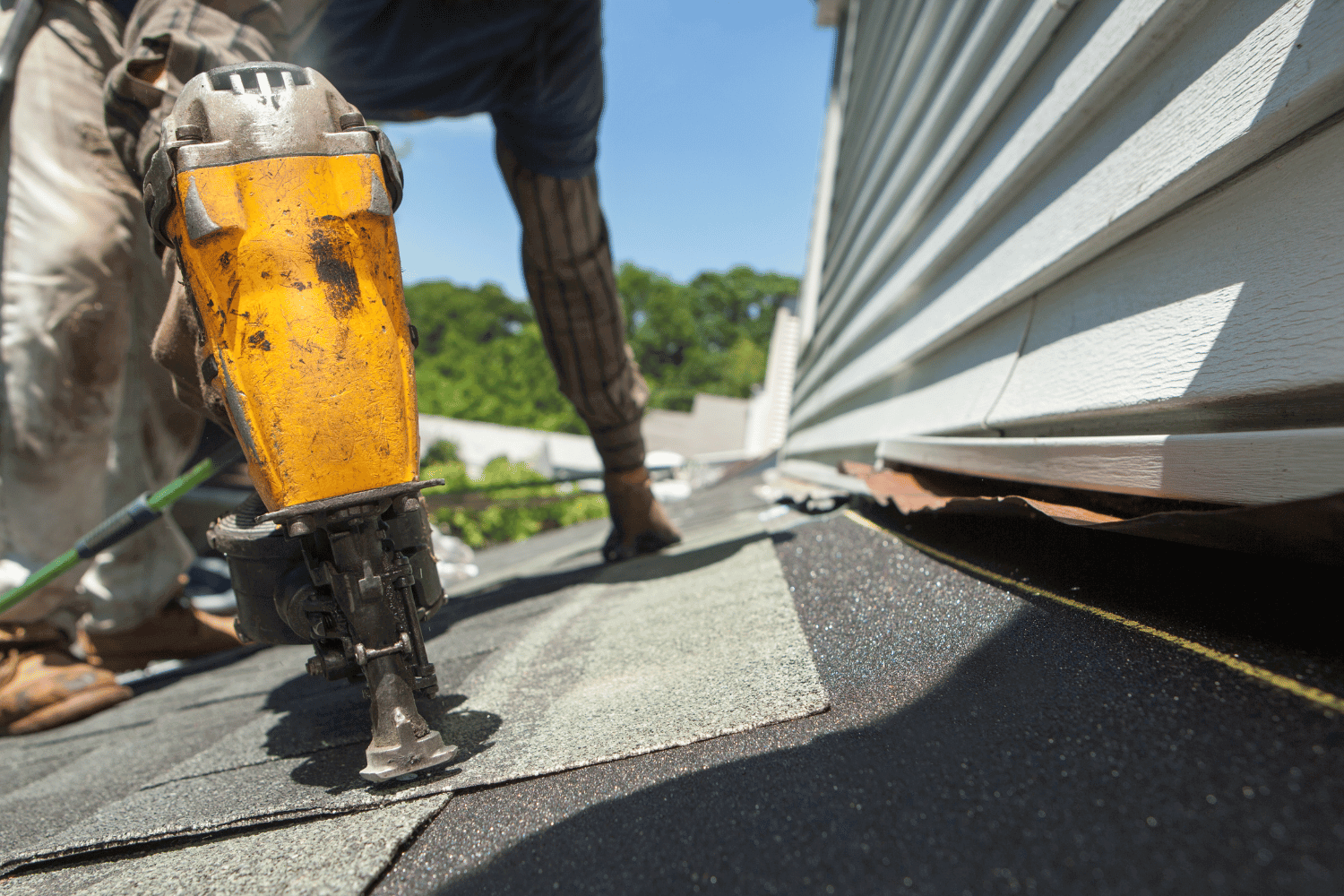
Preparing a roof deck for shingle installation.

Roof Shingle Overlap: The Complete Guide From a Licensed NJ Roofer

in Roof Installation, Roofing/by Dream Home Roofers

Shingle overlap is one of those specifications that looks simple until you understand what happens when it’s wrong. Too little overlap and wind-driven rain gets under the shingles. Too much and you’ve wasted material and changed the way water sheds off the roof. Dream Home Roofers has installed and inspected hundreds of roofs in West Caldwell and across northern New Jersey. This is what correct overlap looks  like, what happens when it’s off, and how to know if your existing roof was installed properly.

The Terminology: Headlap, Exposure, and Offset

Before getting into the numbers, it helps to understand the three terms that define how shingles are positioned relative to each other.
• Headlap: the distance the top edge of a lower course is covered by the course two rows above it.
This is the primary waterproofing measurement.
• Exposure: how much of each shingle is visible after installation. This is what you see from the ground.
• Offset: how far the vertical joints in each course are staggered from the course below. This prevents water from tracking straight down through aligned cutouts.

Correct Overlap Measurements by Shingle Type

Three-Tab Asphalt Shingles

Three-tab shingles are 12 inches tall with a 5-inch exposure, leaving a 7-inch headlap. The minimum headlap required by most building codes and manufacturers is 2 inches, but a proper installation targets 5 to 7 inches for full coverage. The offset on three-tab shingles should be at least 6 inches from the joints in
the course below.

Architectural (Dimensional) Shingles

Architectural shingles are typically 13 to 14 inches tall with a 5-5/8 inch exposure. The standard headlap target is around 6 inches. Because architectural shingles don’t have uniform cutouts, the offset needs to be managed by starting alternating courses with a half-shingle or a measured starter piece to keep the joints staggered.

Hip and Ridge Caps

Ridge cap shingles are overlapped along the ridge and hip lines. Standard ridge cap overlap is 5 to 6 inches, with the exposed fasteners of the lower cap covered by the cap above it. An improperly
overlapped ridge cap is one of the most common sources of leaks we find on roofs that were otherwise installed correctly.

What Happens When Shingle Overlap Is Wrong

Too Little Overlap

Insufficient headlap exposes the underlayment to wind-driven rain. In New Jersey’s climate, nor’easters and late-season storms push rain horizontally, which is a completely different stress than vertical rain. An exposed underlayment can fail within a few seasons under that kind of repeated stress. Once the underlayment is compromised, the decking follows quickly in our humid climate.

Too Much Exposure

Excessive shingle exposure reduces the headlap below minimum, which has the same effect as insufficient overlap. It also makes the roof look wrong from the street. Both conditions may void the
manufacturer’s warranty.

Misaligned Offsets

When the vertical joints of two adjacent courses align instead of stagger, water can track straight down between the shingles without being deflected. This is less common than headlap errors but still shows up on inspections, particularly on roofs installed quickly or by less experienced crews.

How to Check Your Roof’s Shingle Overlap

You can get a rough read on shingle exposure from the ground by measuring the visible portion of a shingle course with a tape measure. On a standard architectural shingle roof, the exposed portion should be right around 5 to 5-5/8 inches. If you’re seeing 7 or 8 inches of exposure, the headlap is likely short of spec. A roof inspection is the only way to confirm the actual headlap measurement and check the ridge cap and valley details.

What Roof Installation Costs in West Caldwell, NJ

• Standard architectural shingle replacement on a typical West Caldwell home (1,500 to 2,200 sq ft of roof surface): $7,000 to $12,000 including removal of the existing roof and standard underlayment.
• Premium shingles, steep pitch, or homes requiring decking repair will run toward the higher end or above this range.
• Dream Home Roofers provides free written estimates with a detailed scope of work.

Frequently Asked Questions: Roof Shingle Overlap

How much should asphalt shingles overlap?

Standard three-tab asphalt shingles require a minimum headlap of 2 inches, with most manufacturers targeting 5 to 7 inches. Architectural shingles typically run a 6-inch headlap with a 5-5/8 inch exposure. Getting this measurement wrong reduces both wind and water resistance and can void the manufacturer’s warranty.

What happens if shingles don’t overlap enough?

Insufficient shingle overlap leaves the underlayment and decking exposed to wind-driven rain. Over time this causes leaks, sheathing rot, and mold growth in the attic. In New Jersey’s climate, where nor’easters push rain horizontally, this failure mode is faster and more destructive than in drier markets. It can also void your shingle warranty.

How do I know if my shingles were installed with the right overlap?

A basic visual check from the ground can reveal excessive exposure (more than about 6 inches visible on an architectural shingle course is a red flag), but only an on-roof inspection with measurements confirms the actual headlap. Dream Home Roofers provides free roof inspections in West Caldwell, NJ and documents installation defects in writing.

Does incorrect shingle overlap void the manufacturer warranty?

Yes, in most cases. Shingle manufacturers require installation to their published specifications as a condition of the warranty. An inspection that finds headlap short of spec can be grounds for a warranty denial on materials, even if the shingles themselves are defective. This is one of the reasons using a licensed and experienced installer matters.

https://dreamhomeroofers.com/wp-content/uploads/2025/02/Preparing-a-roof-deck-for-shingle-installation.-1.png 1000 1500 Dream Home Roofers https://dreamhomeroofers.com/wp-content/uploads/2024/09/dhr-logo.png Dream Home Roofers2025-02-15 08:00:592026-04-07 05:01:01Roof Shingle Overlap: The Complete Guide From a Licensed NJ Roofer
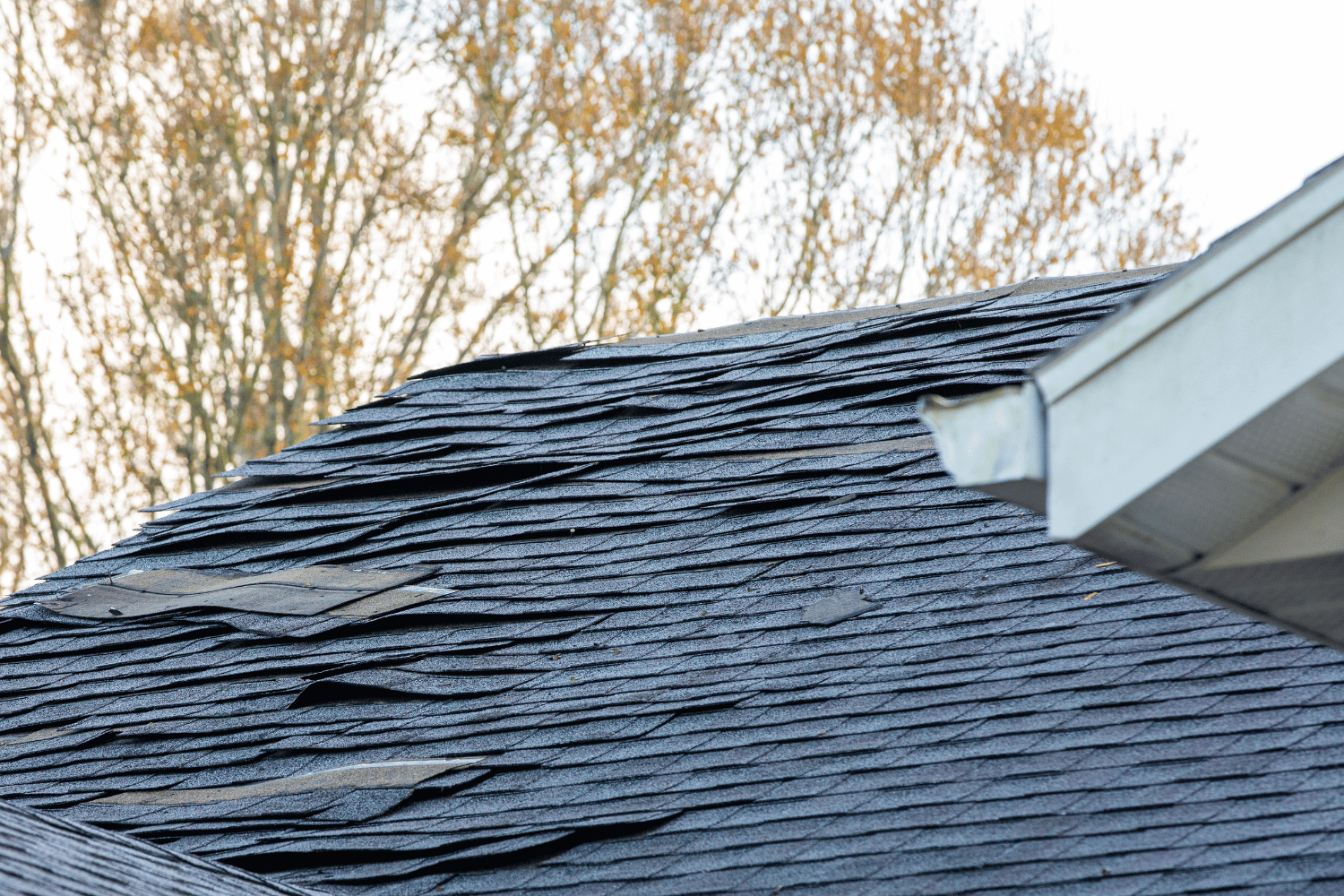
An image showing visible signs of wind damage to a roof, including missing and damaged shingles.

Top 5 Signs of Wind Damage to Roof and How to Fix Them

in Roof Repair, Roof Replacement/by Dream Home Roofers

Wind damage to your roof can cause major problems if ignored. This article explains how to identify wind damage to roof and the steps to fix it. Learn about the signs of wind damage to your roof and how to protect your roof and home.

Key Takeaways

  • Common signs of wind damage to roofs include missing shingles, granule loss, and water stains, which require immediate inspection and repair.

  • Wind speed significantly impacts the level of roof damage, with higher speeds leading to severe issues, necessitating prompt action and professional assessment.

  • Preventative measures such as regular maintenance, upgrading roofing materials, and securing loose items can help reduce the risk of wind damage during storms.

Common Signs of Wind Damage on Roofs

An image showing visible signs of wind damage to a roof, including missing and damaged shingles.

Before:

Wind damage can manifest in various ways on your roof, and knowing what to look for is crucial. Common indicators include missing shingles, lifted or curling shingles, granule loss, damaged soffit and fascia, and interior water stains. After a storm, a thorough roof inspection can reveal visible damage such as dents or missing shingles, which are clear signs of wind damage and may indicate a wind damaged roof.

After:

Wind damage can manifest in various ways on your roof, and knowing what to look for is crucial. Common indicators include:

  • Missing shingles

  • Lifted or curling shingles

  • Granule loss

  • Damaged soffit and fascia

  • Interior water stains

After a storm, a thorough roof inspection can reveal visible damage such as dents or missing shingles, which are clear signs of wind damage.

Regular inspections, especially before storm seasons, help in identifying and fixing minor issues before they escalate into major problems.

Missing Shingles

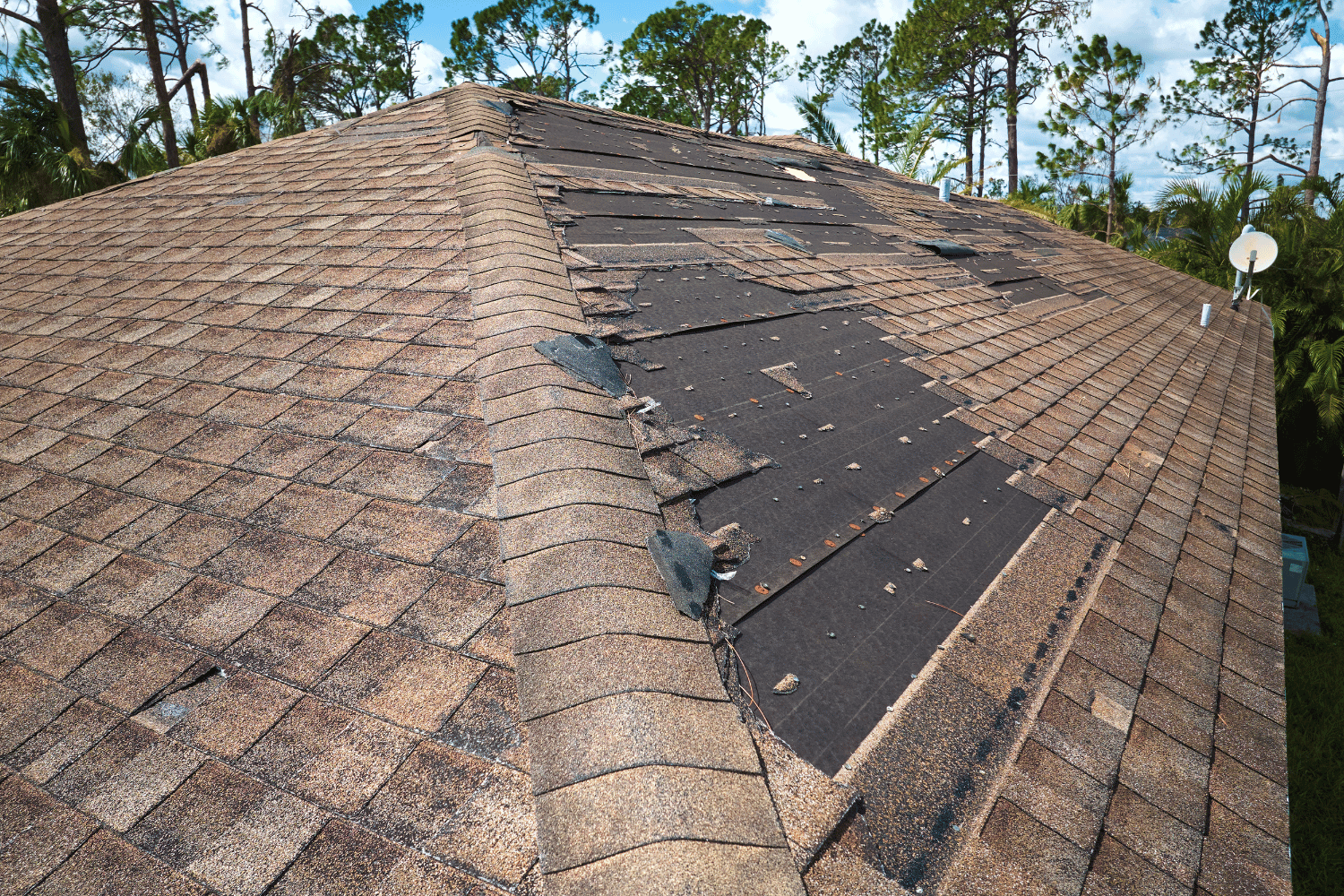
One of the most obvious signs of wind damage is missing shingles. Strong winds can tear, crease, or completely dislodge asphalt shingles, scattering them across your yard and leaving your roof deck exposed. This exposure makes your roof vulnerable to water intrusion, which can lead to leaks and further wind damaged shingles.

If you notice shingles missing after a storm, it’s a clear indication that your roof has sustained wind damage and needs immediate attention. Consulting a roofing contractor for a professional assessment and necessary repairs for the loose or damaged shingles is essential to restore the roof’s integrity and prevent further damage.

Lifted or Curling Shingles

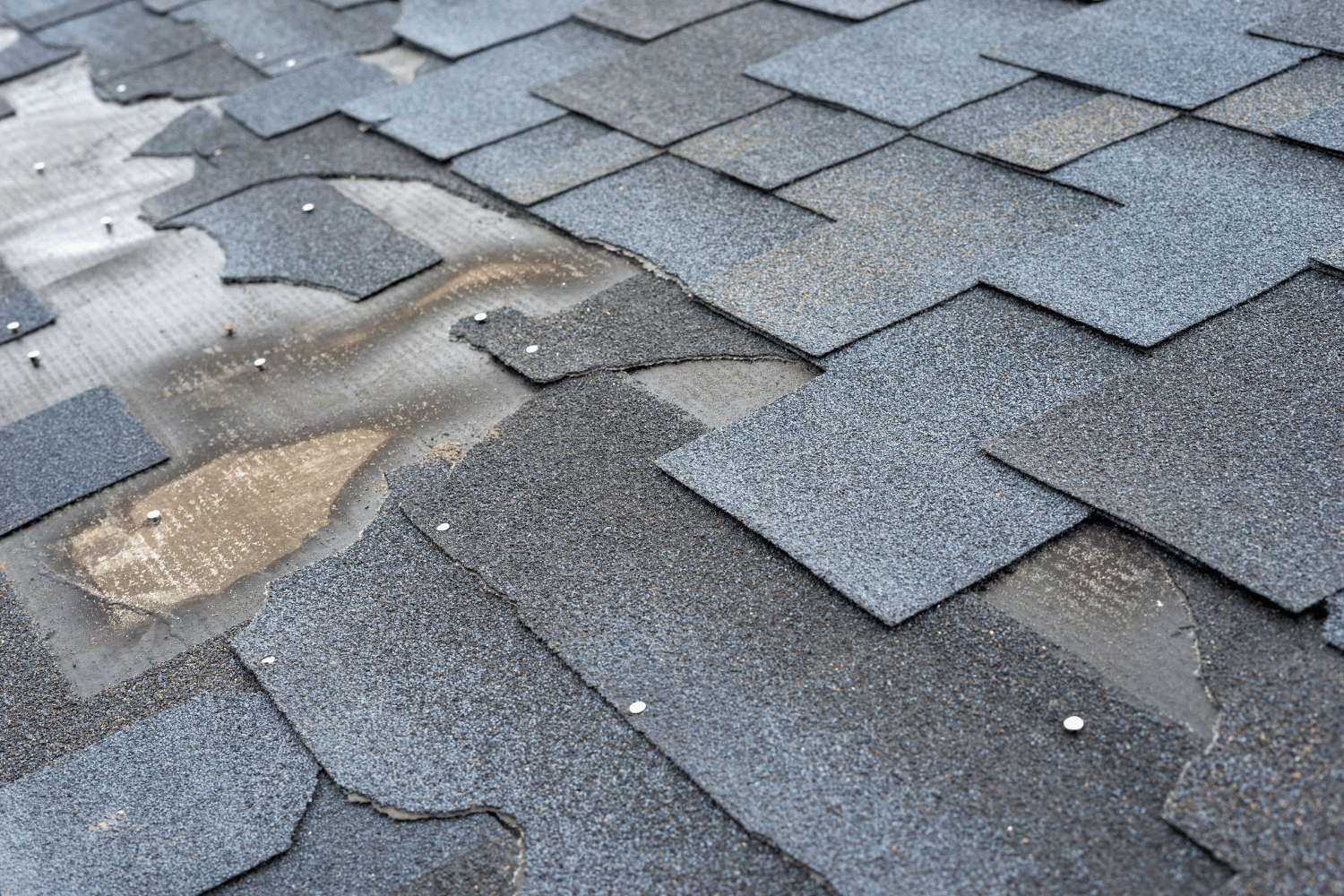
Lifted or curling shingles are another common sign of wind damage. High winds can cause shingles to warp, twist, or become dislodged, creating gaps that allow water to seep in. These gaps compromise the roof’s integrity, making it susceptible to leaks and other issues. You might notice shingles that appear upturned or askew, especially along the edges and pressure points of the roof.

Addressing these issues promptly with the help of a reputable roofing contractor can prevent more significant problems down the line.

Granule Loss

Granule loss is a subtler yet significant indicator of wind damage. High winds can dislodge the granules that protect asphalt shingles, leading to a weakened roofing system. This loss is often noticeable as debris accumulating in gutters or around your property. Granules play a crucial role in extending the lifespan of shingles by providing texture and protection.

If you observe granule loss, it’s essential to address it promptly to prevent further deterioration and potential leaks.

Damaged Soffit and Fascia

Wind forces can also damage the soffit and fascia, which are critical components of your roof’s structure. High winds can crack, loosen, or detach these elements, leading to potential water leaks and pest entry. Damaged soffit and fascia can create significant moisture problems and provide pathways for rodents and insects to enter your home.

Regular roof inspections can help detect such damage early, reducing the likelihood of severe leaks and infestations.

Interior Water Stains

Interior water stains on ceilings or walls are a telltale sign of roof leaks, often resulting from wind damage. Missing shingles and other roof vulnerabilities compromise the roof’s ability to repel water, leading to leaks. Discoloration and wet spots on ceilings usually indicate water intrusion, which can cause significant structural damage if ignored.

Addressing water stains promptly can prevent further deterioration of your roof and home.

How Wind Speed Affects Roof Damage

A graphic illustrating how different wind speeds can affect roof damage, showing a comparison of moderate, strong, and severe winds.

The impact of wind damage on your roof largely depends on wind speed. While even moderate winds can cause some damage, strong and severe winds can lead to significant roof damage or even structural failure. Understanding how different wind speeds affect your roof can help you better prepare and respond to wind damage.

Factors such as wind direction, duration, and the presence of projectiles also influence the extent of the damage.

Moderate Winds (45-57 mph)

Moderate winds, typically between 45 and 57 mph, can still cause noticeable damage to roofs, especially if the shingles are already loose or vulnerable. These winds can lead to granule loss, affecting the integrity of asphalt shingles. Homeowners should regularly inspect their roofs and secure any loose shingles to prevent minor damage from escalating.

While such wind speeds might not cause significant damage, they can initiate issues that worsen over time if not addressed.

Strong Winds (58-74 mph)

Strong winds, ranging from 58 to 74 mph, can cause more severe roof damage, akin to conditions experienced during a Category 1 hurricane. These wind speeds can lift, curl, or completely dislodge shingles, exposing the roof deck to the elements and leading to potential leaks and further deterioration.

It’s crucial to address any detected damage swiftly to maintain the integrity of your roofing system.

Severe Winds (75+ mph)

Severe winds exceeding 75 mph can cause extensive roof damage, potentially leading to structural failures. Such high winds can rip off shingles, detach soffit and fascia, and even cause significant damage to the roof structure itself.

In these cases, comprehensive repairs or even a full roof replacement may be necessary to restore the roof’s integrity and ensure the safety of your home.

Steps to Take If You Suspect Wind Damage

A person inspecting a roof for wind damage, looking for visible signs of damage.

If you think there might be wind damage to your roof, it’s important to act quickly. Taking prompt action will help prevent additional problems. Conduct a visual inspection, document the damage, and contact a professional roofer for an accurate assessment.

These steps will help you determine the extent of the damage and the necessary repairs to restore your roof’s integrity.

Conduct a Visual Inspection

Start by conducting a thorough visual inspection of your roof. Look for loose shingles, granule accumulation in gutters, and damaged soffit and fascia. These signs can indicate wind damage and help you identify the areas that need attention.

Checking for obvious signs of damage will give you a better understanding of the roof’s condition and the immediate steps required.

Document the Damage

Documenting the damage is crucial for supporting your insurance claim. Take detailed photos and notes during your inspection to capture all visible damage. This documentation will be essential when filing an insurance claim and ensuring a smooth process.

Thorough records can also help in communicating the extent of the damage to your roofing contractor.

Contact a Professional Roofer

Contact a professional roofer to assess the damage accurately and recommend the necessary repairs. A reputable roofing contractor can provide a thorough inspection, identify hidden issues, and perform the required repairs or even a full roof replacement if needed.

Ensure that the roofer you choose has the proper references and proof of insurance to guarantee quality work.

Filing an Insurance Claim for Wind Damage

Filing an insurance claim for wind damage can be a complex process, but understanding your homeowners insurance policy and working closely with your insurance provider can make it smoother. Knowing what your policy covers and how to document and submit your claim are crucial steps in getting the necessary repairs covered.

Review Your Homeowners Insurance Policy

Start by reviewing your homeowners insurance policy to understand what is covered in terms of wind damage. Coverage details and exclusions can vary, so it’s important to clarify what repairs are included and any deductible amounts.

Contact your insurance companies provider if you have any questions about specific coverage details related to wind damage.

Submit Your Claim

Submit your insurance claim promptly to avoid complications or denials. Delaying your claim can lead to issues, so it’s crucial to document all damage thoroughly and stay organized throughout the process.

Prompt and accurate submission can help facilitate timely approval and repairs.

Work with Your Insurance Provider

After filing your claim, work closely with your insurance company to ensure a smooth insurance claim process. Your insurer will typically send an adjuster to evaluate the damage on-site.

Effective communication with your insurance provider and roofing contractor can help ensure that the repairs are covered and completed properly.

Repairing Wind-Damaged Roofs

A construction worker repairing a wind-damaged roof, showcasing the repair process.

Repairing wind-damaged roofs promptly is crucial to prevent further issues and maintain the roof’s resilience. Addressing damage quickly can save on future repair costs and ensure the safety of your home.

Depending on the extent of the damage, repairs can range from temporary fixes to full roof replacements.

Temporary Fixes

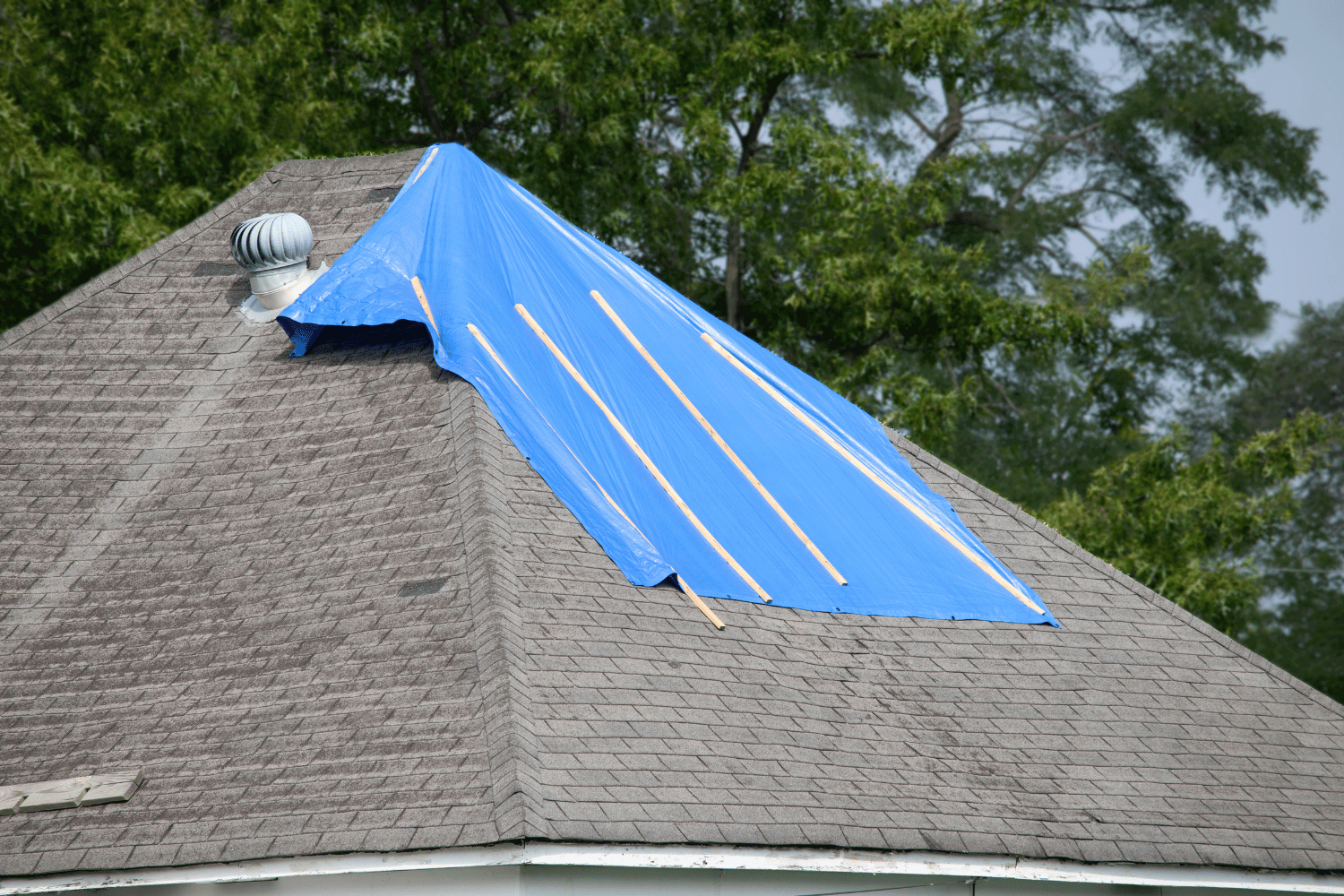
Temporary fixes, such as placing a tarp over significant damage, can help prevent water from entering your home until permanent repairs can be made. Using roofing tape or tarps to cover leaks and exposed areas provides a short-term solution to mitigate further damage.

Implementing these quick fixes can protect your home until professional help arrives.

Permanent Repairs

Engaging professional roofers for permanent repairs ensures that the work is done correctly, minimizing the risk of future damage. Using high-quality materials can enhance the durability and resilience of your roof against future wind damage. Depending on the severity of the damage, permanent repairs may range from shingle replacement to a full roof replacement.

Roof Replacement

In cases of severe wind damage, a full roof replacement might be necessary. Contact a professional roofer to assess the extent of the damage and determine if a complete replacement is required.

Investing in upgraded roofing materials, such as wind-resistant shingles, can provide long-term protection against future wind damage.

Preventative Measures Against Wind Damage

An image showing preventative measures taken against wind damage on a roof, including upgraded materials.

Preventing wind damage is better than dealing with repairs. Implementing preventive strategies can significantly reduce the risk of roof damage during wind events. Regular maintenance, upgrading roofing materials, and securing loose items around your property are key steps to protect your roof.

Regular Maintenance

Regular maintenance is essential to keep your roof in good condition and catch any potential issues early. Perform routine visual inspections to look for common signs of wind damage, such as missing or lifted shingles, granule loss, or damaged soffit and fascia. Keep detailed documentation of any damage observed during inspections, which will be useful for insurance or repair purposes.

Regular maintenance helps in maintaining the roof’s integrity and prevents minor issues from escalating into significant problems.

Upgrade Roofing Materials

Upgrading your roofing materials can provide better protection against high winds and severe weather events. Wind-resistant materials, such as metal roofs and impact-resistant shingles, are designed to withstand extreme wind conditions and reduce damage from flying debris. Proper installation of these materials, such as clay and concrete tiles, enhances their performance and resilience to strong winds.

Investing in high-quality materials can extend the lifespan of your roof and provide peace of mind during storms.

Secure Loose Items

Securing loose items around your property is a simple yet effective preventive measure. Outdoor furniture, tree branches, and other debris can become hazardous projectiles during storms, causing damage to your roof and property.

By securing or removing these items, you can protect your home and enhance overall safety during severe weather events.

Summary

Recognizing the signs of wind damage and taking prompt action is crucial to maintaining the integrity of your roof and home. From conducting regular inspections and documenting damage to contacting professional roofers and filing insurance claims, every step is vital in addressing and preventing further issues. Upgrading roofing materials and securing loose items around your property are proactive measures that can provide long-term protection against wind damage. By staying vigilant and prepared, you can ensure the safety and durability of your roof for years to come.

Frequently Asked Questions

How much wind does it take to damage a roof?

Winds exceeding 50-60 mph can cause serious roof damage, while roofs in hurricane-prone areas should withstand up to 150 mph winds. Anything beyond these limits poses a high risk for significant damage.

How can I tell if my roof has wind damage?

To determine if your roof has wind damage, look for missing or lifted shingles, granule loss, and any signs of interior water stains. Conducting a visual inspection after a storm is essential for identifying these issues.

What should I do if I suspect wind damage to my roof?

Immediately conduct a visual inspection and document any damage with photos and notes. Then, contact a professional roofer for a thorough assessment and necessary repairs.

How do wind speeds affect the extent of roof damage?

In conclusion, wind speeds significantly impact roof damage; even winds of 45 mph can damage loose shingles, while speeds over 75 mph can result in extensive damage and structural failures. Therefore, monitoring wind speeds is crucial for roof integrity.

What are some preventive measures to protect my roof from wind damage?

To effectively protect your roof from wind damage, focus on regular maintenance, utilize wind-resistant roofing materials, and secure loose items in your surroundings. Implementing these measures will greatly minimize your risk.


https://dreamhomeroofers.com/wp-content/uploads/2025/01/An-image-showing-visible-signs-of-wind-damage-to-a-roof-including-missing-and-damaged-shingles.-1.png 1000 1500 Dream Home Roofers https://dreamhomeroofers.com/wp-content/uploads/2024/09/dhr-logo.png Dream Home Roofers2025-01-16 08:00:582026-01-30 17:24:57Top 5 Signs of Wind Damage to Roof and How to Fix Them

Top Signs: When Should You Replace a Roof?

in Roof Repair, Roof Replacement, Roofing/by Dream Home Roofers

Wondering when should you replace a roof? Knowing the right time can save you from costly repairs and potential damage. This article breaks down the key signs to look for, such as the age of your roof, visible damages, and environmental factors that affect its lifespan. Stay tuned to learn about these indicators and make an informed decision.

Key Takeaways

  • Key signs that indicate you may need a new roof include aging, cracking or missing shingles, moss growth, and water stains in the attic.
  • Different roofing materials have varying lifespans, with asphalt shingles lasting around 20-30 years, while metal roofs can last up to 70 years or more.
  • Timely roof replacement not only enhances your home’s value and energy efficiency but also protects against environmental hazards, ensuring better safety for your family.

Key Indicators Your Roof Needs Replacement

A visual representation of key indicators for roof replacement, including various roofing materials and signs of wear.

Your roof serves as your home’s primary shield against the elements. How can you recognize when it’s time for a replacement? Several key indicators can signal the need for a new roof. Recognizing these signs early can help you tackle potential issues before they escalate into costly damage.

From the age of your roof to visible damage like cracking and missing shingles, identifying these warning signs early can save you from a complete replacement. Here are the specifics of each indicator and their impact on your roof’s health.

Roof’s Age

One of the most significant factors in deciding if you need a new roof is its age. The average lifespan of a roof is around 20 years, though this varies based on material and maintenance. Asphalt shingles typically last 20-30 years, while well-maintained slate roofing can last up to 100 years. If your roof is at least 20 years old, it might be nearing its end and should be inspected annually. Shedding shingle granules or visible wear and tear are signs of aging.

Various factors, including maintenance and environmental elements, can significantly affect a roof’s lifespan. Regular maintenance, such as clearing gutters, trimming tree limbs, and properly ventilating the attic, can help extend the life of your roof.

If your roof is 25 years old or more, replacing it could help avoid issues like heat absorption and cold infiltration, which affect your home’s energy efficiency.

Cracking Shingles

Cracked shingles clearly indicate that your roof may need replacement. These cracks can lead to leaks and further damage, so they should be addressed promptly. Curling or buckling shingles also suggest significant wear and must not be ignored.

Identifying cracking and curling shingles is essential to prevent water damage and extensive roof repairs. If many shingles show these issues, it might be time for a roof replacement.

Missing Shingles

Missing shingles indicate severe wear and potential leaks. Ignoring them can lead to worsening damage and increased repair costs. Address missing shingles promptly to prevent further damage and costly repairs.

If many shingles are missing or damaged, a roof replacement might be necessary to maintain your home’s integrity.

Moss Growth

Moss growth on a roof suggests possible significant damage and moisture issues. Cool, moist climates with limited sunlight favor moss growth, which can trap moisture against the roof surface and cause deterioration. Over time, moss can damage shingles by holding moisture against the roof surface.

Brushing off moss can damage shingles, so professional help may be needed to remove it and address any underlying issues.

Visible Damage Signs

Visible damage signs on a roof that indicate the need for inspection and potential replacement.

Visible damage is a clear indicator that your roof might need replacement. Buckled and curled shingles, water stains in the attic, and rusted flashing suggest that your roof is no longer offering adequate protection. Addressing these issues promptly can prevent costly damage and extend your roof’s longevity.

Here are these visible signs in more detail.

Buckled and Curled Shingles

Buckled and curled shingles commonly indicate roof wear and may suggest a need for replacement soon. Strong winds can displace or tear shingles, exposing the underlying structure to water damage. Ignoring these signs can increase leak risks and compromise the roof’s integrity.

If shingles have missing pieces or debris accumulates in your gutters, it might be time to consider a roof replacement.

Water Stains in Attic

Water stains in the attic often indicate underlying roof leaks that can lead to further issues. Ceiling discoloration can signify possible water penetration and internal leaks. Significant light coming through the attic may suggest a need for a new roof. Ignoring water damage can lead to rot, mold growth, or even collapse.

Regular inspections can detect these issues early and prevent extensive damage.

Rusted Flashing

Rusted flashing poses a significant concern for roof health. A roof valley is a V-shaped metal channel, and if the flashing in these valleys rusts, water can leak into the house, leading to severe damage.

Proper maintenance and timely replacement of rusted flashing are crucial to maintain the roof’s integrity and prevent water damage.

Environmental Factors

Environmental factors can significantly wear down roofs over time, often necessitating replacement. Many roofs reach the end of their lifespan without major storms, showing wear over time. High winds, extreme temperatures, and ice dams can negatively impact your roof’s condition.

Here are these factors and their effects on your roof.

High Winds and Storm Damage

High winds pose a significant threat to roof integrity and can cause major damage. Strong winds can displace shingles and components, creating vulnerabilities that may necessitate a complete roof replacement.

After a storm, inspect your roof for signs of damage, as extensive issues may warrant a complete replacement. Timely roof inspections can help detect and address these issues before they escalate.

Extreme Temperatures

Extreme temperatures can dry out roofing materials, making them more susceptible to damage. UV rays dry out asphalt shingles, making them brittle and prone to cracking. UV exposure and extreme temperatures can significantly degrade roofing materials over time.

Regular roof inspection can help identify and address damage caused by extreme temperatures and UV exposure before it necessitates roof replacement.

Ice Dams

Ice dams occur when snow and water cannot runoff effectively, leading to buildup. This can lead to water infiltration and damage to roof structures. If ice dams prevent runoff, call a professional to address the issue and prevent further damage.

Proper insulation and ventilation can help prevent ice dams and protect your roof from damage.

Roof Materials and Lifespan

An overview of different roofing materials and their lifespan, showcasing options for homeowners considering a new roof.

Understanding different roofing materials and their lifespans is crucial for making informed roof replacement decisions. Asphalt materials can last about 10 to 30 years, while metal roofs are known for their durability, typically lasting around 50 years or more with proper maintenance.

Slate roofing is among the most durable roofing material, often requiring only minor repairs and lasting up to 100 years. Here are the characteristics and lifespans of various roofing materials in more detail.

Asphalt Shingles

Asphalt shingles are commonly used in roofing and typically last 15-20 years. While the recommended lifespan for asphalt roofs is 15 to 20 years, they may last up to 30 years with proper maintenance.

There are two main types of asphalt shingles: traditional three-tab shingles and architectural shingles. Dimensional shingles, also known as architectural or laminated shingles, have a multi-layered construction that provides depth and texture to the roof.

Metal Roof

Metal roofing typically lasts between 40-70 years with proper maintenance. Roofs made from materials like zinc and copper can last up to a century. Known for their impressive durability, metal roofs can withstand extreme weather conditions, making them a popular choice for longevity.

Tile Roof

Tile roofs typically last 50-100 years or more. Clay roofing tiles can last up to 50 years.

If you notice cracked or missing tiles, replace individual tiles to maintain the roof’s integrity and prevent further damage.

Slate Roofing

Manufacturers typically offer warranties for slate roofing ranging from 50 years to a lifetime. Known for its exceptional durability, slate roofing is a popular choice for long-lasting residential roofs. Slate roofs can last between 50 to 100 years, providing reliable protection for decades.

Financial Considerations for Roof Replacement

Financial considerations for roof replacement, including costs and potential financing options for homeowners.

Replacing a roof is a significant investment, and considering the financial aspects carefully is essential. The typical cost range for a full roof replacement is between $6,700 and $80,000, with an average expenditure around $11,500.

Beyond the initial cost, homeowners should explore various financing options and take advantage of promotions and discounts to manage expenses better. Here are the costs, financing options, and available promotions to help you make an informed decision.

Cost of Roof Replacement

The cost of roof replacement can vary widely depending on factors like the size of your roof, the materials used, and the complexity of the installation. On average, homeowners spend around $11,500 on a complete roof replacement, but costs can range from $6,700 to $80,000.

Budget for additional expenses, such as labor and unexpected repairs, by setting aside an extra 10% beyond the estimated costs. Evaluating these costs beforehand can help you prepare financially and avoid surprises.

Financing Options

Many roofing companies offer flexible financing plans to help homeowners manage the upfront costs of roof replacement. Options like home equity lines of credit (HELOCs) and cash-out refinancing can provide the necessary funds for roof repairs by leveraging your home’s equity.

Additionally, some companies partner with lenders to offer low or no interest financing plans, making it easier to afford a new roof.

Promotions and Discounts

Taking advantage of promotions and discounts can significantly reduce the overall cost of roof replacement. For example, some roofing contractors might offer substantial discounts on materials and financing options.

Seasonal discounts and promotional offers, such as zero percent financing, can help manage upfront costs and make roof replacement more affordable. Inquire about available promotions when planning your roof replacement.

Benefits of Timely Roof Replacement

Benefits of timely roof replacement, illustrating increased home value and energy efficiency.

Replacing your roof at the right time can prevent larger and more costly problems in the future. Investing in a new roof can lead to savings by preventing future damage, potentially lowering insurance costs, and enhancing your home’s aesthetic appeal.

Timely roof replacement can also improve energy efficiency and enhance safety. Let’s explore these benefits in more detail to understand why replacing your roof sooner rather than later is a wise decision.

Increased Home Value

A well-maintained roof enhances a property’s aesthetic appeal, signaling care to potential buyers. Improved curb appeal from a new roof can significantly increase the property’s market value. Many homeowners find that investing in a new roof results in a higher resale value, making it a worthwhile investment.

Most homeowners appreciate the security and attractiveness that a new roof brings to their house, making it more appealing to potential buyers.

Improved Energy Efficiency

Modern roofing materials can minimize heat transfer, contributing to a more energy-efficient home and lower utility expenses. Energy-efficient roofs can reduce cooling costs by 10-20%. An intact roof reduces air leaks, decreasing the load on heating and cooling systems, which leads to significant savings on energy bills.

New roofs often incorporate advanced materials that better insulate the house, maintaining a comfortable indoor temperature year-round.

Enhanced Safety

A new roof provides better protection against environmental hazards. It can also provide better protection against potential structural failures due to weather extremes, enhancing the overall safety of your home. By replacing your roof on time, you ensure that your home is well-protected against various environmental elements, reducing the risk of leaks, mold growth, and other issues that could compromise your family’s safety.

Making informed decisions about roof replacement can lead to a more secure and durable home.

Summary

Recognizing the signs that indicate your roof needs replacement is crucial for maintaining the safety and value of your home. From understanding the impact of your roof’s age and visible damage signs to considering environmental factors and the lifespan of various roofing materials, timely roof replacement can prevent costly damage and enhance your home’s efficiency and safety. Financial considerations, including costs, financing options, and promotions, play a significant role in planning a roof replacement. By acting promptly and making informed decisions, you can ensure your home remains protected and valuable for years to come. Don’t wait until it’s too late—get your roof inspected today and take the necessary steps to secure your home’s future.

Frequently Asked Questions

How often should roofs be replaced?

The frequency for roof replacement largely depends on the material, condition, and environmental factors. Generally, an annual roof inspection is essential, especially after severe weather, to ensure your roof remains in good condition and to catch any issues before a full replacement becomes necessary.

What type of roofing materials does Dream Home Roofers work with?

Dream Home Roofers uses a range of premium Owens Corning roofing materials, ensuring your home gets top-notch protection and style.

What are architectural shingles?

Architectural shingles are a type of asphalt shingle that features multiple layers, giving them a more textured and dimensional look compared to standard three-tab shingles. This added depth not only enhances curb appeal but often increases durability as well.

What financing options does Dream Home Roofers offer?

Dream Home Roofers provides flexible financing options, making it easier for homeowners to upgrade their roofs without any upfront costs. This approach can really help you achieve your home improvement goals comfortably.

What are the main reasons to consider roof replacement according to Dream Home Roofers?

If your roof is over 20 years old, has suffered storm damage, or the materials are failing early, it’s time to consider a roof replacement. Staying proactive can save you from more costly repairs down the line.

https://dreamhomeroofers.com/wp-content/uploads/2024/09/dhr-logo.png 0 0 Dream Home Roofers https://dreamhomeroofers.com/wp-content/uploads/2024/09/dhr-logo.png Dream Home Roofers2024-11-12 08:00:142026-03-27 11:26:42Top Signs: When Should You Replace a Roof?

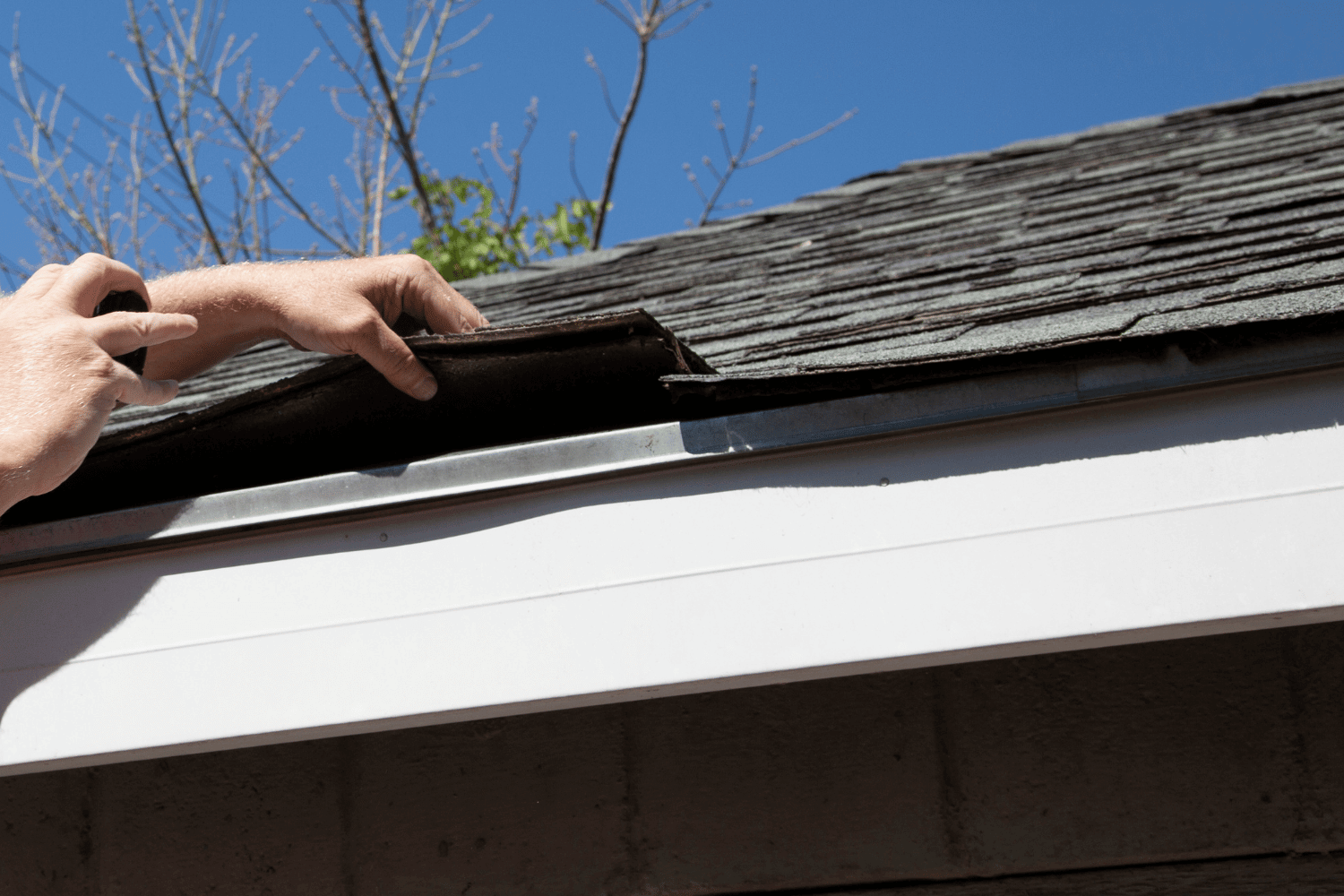
How to Patch a Hole in a Roof

in Roof Repair/by Dream Home Roofers

Stop Leaks from Roof Damage

Your roof might require repair if a strong gust of wind causes a tree branch to penetrate it. Removing an old satellite dish or vent might also create a hole that needs fixing. Regardless of the reason for your roof’s damage, it’s crucial to complete the task before rain sets in. The process of repairing a hole in the roof is manageable if you have basic carpentry skills. In this guide, the professionals at Dream Home Roofers walk you through the steps of how to patch a hole in a roof.

Necessary Tools & Materials

  • Extension ladder
  • Pry bar
  • Hammer
  • Utility knife
  • Measuring tape
  • Reciprocating saw
  • Liquid nails
  • 2 x 4 lumber
  • Roof decking of the same thickness as existing deck
  • Tar paper
  • New shingles

How to Repair a Hole in the Roof

  1. Position the ladder securely, climb onto the roof, and locate the hole.
  2. Utilize a pry bar to lift the shingles off the damaged area, starting with those above the hole and working downward.
  3. Extract all nails with a claw hammer.
  4. Use a utility knife to cut the tar paper in the damaged region.
  5. Employ a reciprocating saw to cut a square or rectangle around the hole, avoiding roof rafters. Ensure all damaged decking is removed. If the damage spans a rafter, you may need to cut out two squares.
  6. With the deck edges exposed, measure the board thickness to determine the size of the replacement decking.
  7. Measure the opening and cut a piece of new decking to fit.
  8. Measure and cut 2 x 4 lumber to construct braces across and around the gap. Attach the braces to rafters around the edges of the gap using 10-penny nails. Leave the edges of each brace exposed around the opening for the patch.
  9. Dry-fit the patch and adjust its size if needed.
  10. Apply liquid nails to the patch and press it into place.
  11. Nail the patch to the braces with 8-penny nails.
  12. Spread roofing tar over the patch seams.
  13. Cut tar paper to fit over the area. Slide the upper edge beneath the existing tar paper or shingles and overlap the bottom edge by 2 inches.
  14. Nail the tar paper with roofing nails.
  15. Begin nailing on new shingles from the bottom of the exposed area.
  16. Apply roofing tar over shingle nails.

Get Assistance With Roof Repairs Today

A roof with significant damage or rotted decking requires more than just a patch. The roofing specialists at Dream Home Roofers are ready to assist and can efficiently and affordably repair or replace your roof. If you live in the Delaware Valley, contact us today to discuss your roofing needs, or if you’re still wondering how to patch a hole in a roof.

0 0 Dream Home Roofers https://dreamhomeroofers.com/wp-content/uploads/2024/09/dhr-logo.png Dream Home Roofers2024-02-14 14:38:032025-08-26 03:38:17How to Patch a Hole in a Roof

Pages

  • About us
  • Blogs
  • Careers
  • Contact Us
  • Current Specials at Dream Home Roofers
  • FAQS
  • Feedbacks
  • Financing
  • Gutter Guards in the Delaware Valley
  • Gutters in Delaware Valley
  • Home
  • new form test
  • Opt-out preferences
  • Privacy Policy
  • Rate
  • Review Feedback Form
  • Reviews
  • Roof Inspection in Delaware Valley
  • Roof Inspection in Turnersville, NJ
  • Roof Inspection in West Caldwell, NJ
  • Roof Inspections in Laurel, MD
  • Roof Replacement in Cherry Hill, NJ
  • Roof Replacement in Columbia, MD
  • Roof Replacement in Delaware Valley
  • Roof Replacement in Harrisburg, PA
  • Roof Replacement in King of Prussia, PA
  • Roof Replacement in Lancaster, PA
  • Roof Replacement in Laurel, MD
  • Roof Replacement in Philadelphia, PA
  • Roof Replacement in Turnersville, NJ
  • Roof Replacement in Vineland, NJ
  • Roof Replacement in West Caldwell, NJ
  • Roofing Company in Fairfax, VA
  • Roofing Company in King of Prussia, PA
  • Roofing Company in Laurel, MD
  • Roofing Company in Maryland
  • Roofing Company in New Jersey
  • Roofing Company in Pennsylvania
  • Roofing Company in Scranton, PA
  • Roofing Company in Turnersville, NJ
  • Roofing Company in West Caldwell, NJ
  • Roofing Company in Wilmington, DE
  • Roofing in Allentown, PA
  • Roofing in Atlantic City, NJ
  • Roofing in Bethesda, MD
  • Roofing in Bethlehem, PA
  • Roofing in Blairstown, NJ
  • Roofing in Boonsboro, MD
  • Roofing in Bowie, MD
  • Roofing in Burlington, NJ
  • Roofing in Camden, NJ
  • Roofing in Cherry Hill, NJ
  • Roofing in Chester, PA
  • Roofing in Clifton, NJ
  • Roofing in Columbia, MD
  • Roofing in Delaware Valley
  • Roofing in Delaware Valley
  • Roofing in Delaware Valley
  • Roofing in Dundalk, MD
  • Roofing in Egg Harbor, NJ
  • Roofing in Ellicott City, MD
  • Roofing in Elm, PA
  • Roofing in Fairfax, VA
  • Roofing in Frankford, NJ
  • Roofing in Freehold, NJ
  • Roofing in Gaithersburg, MD
  • Roofing in Germantown, MD
  • Roofing in Glen Allen, VA
  • Roofing in Glen Burnie, MD
  • Roofing in Gloucester Township, NJ
  • Roofing in Hamilton, NJ
  • Roofing in Harrisburg, PA
  • Roofing in King of Prussia, PA
  • Roofing in King Of Prussia, PA
  • Roofing in Lancaster, PA
  • Roofing in Laurel, MD
  • Roofing in Laurel, MD
  • Roofing in Lebanon, PA
  • Roofing in Lehigh Valley
  • Roofing in Levittown, PA
  • Roofing in Mahwah, NJ
  • Roofing in Maryland
  • Roofing in Monroe, NJ
  • Roofing in Mount Laurel, NJ
  • Roofing in New Jersey
  • Roofing in Norristown, PA
  • Roofing in Pennsylvania
  • Roofing in Philadelphia, PA
  • Roofing in Potomac, MD
  • Roofing in Reading, PA
  • Roofing in Rockville, MD
  • Roofing in Severn, MD
  • Roofing in Silver Spring, MD
  • Roofing in Smithsburg, MD
  • Roofing in Somerset, NJ
  • Roofing in South Jersey
  • Roofing in Tinton Falls, NJ
  • Roofing in Towson, MD
  • Roofing in Turnersville NJ
  • Roofing in Turnersville, NJ
  • Roofing in Union, NJ
  • Roofing in Vineland, NJ
  • Roofing in Voorhees, NJ
  • Roofing in Waldorf, MD
  • Roofing in Washington Township, NJ
  • Roofing in West Caldwell, NJ
  • Roofing in West Caldwell, NJ
  • Roofing in Weston, PA
  • Roofing in Wilkes-Barre, PA
  • Service Area
  • Services
  • SMS Terms and Conditions
  • Template – Labor day banner
  • Template All Brands Logos
  • Template All Brands Logos New
  • Template Blogs
  • Template Certification
  • Template Financing Banner
  • Template Gutter Brands
  • Template our Process
  • Template our Process windows
  • Template Our Work
  • Template Project Block
  • Template Review Banner
  • Template Review Banner (King of Prussia, PA)
  • Template Review Banner (Laurel, MD)
  • Template Review Banner (Turnersville, NJ)
  • Template Review Banner (West Caldwell, NJ)
  • Template Roofing Brands
  • Template Service Blocks (All)
  • Template Service Blocks (King of Prussia, PA)
  • Template Service Blocks (Laurel, MD)
  • Template Service Blocks (Turnersville, NJ)
  • Template Service Blocks (West Caldwell, NJ)
  • Template Windows Brands
  • Terms and Conditions
  • Windows

Categories

  • Blog
  • Roof Installation
  • Roof Repair
  • Roof Replacement
  • Roofing
  • Uncategorized

Archive

  • May 2026
  • April 2026
  • March 2026
  • February 2026
  • January 2026
  • November 2025
  • October 2025
  • September 2025
  • August 2025
  • July 2025
  • June 2025
  • May 2025
  • March 2025
  • February 2025
  • January 2025
  • December 2024
  • November 2024
  • October 2024
  • August 2024
  • July 2024
  • June 2024
  • May 2024
  • April 2024
  • March 2024
  • February 2024
  • November 2023
  • October 2023
  • July 202

Service Areas

  • Turnersville, NJ
  • Voorhees, NJ
  • West Caldwell, NJ
  • King of Prussia, PA

  • Scranton, PA
  • Wilkes-Barre, PA
  • Laurel, MD

  • Fairfax, VA
  • Glen Allen, VA
  • Wilmington, DE

Our Office Locations

Map icon 501 NJ‑168, Turnersville, NJ 08012

Map icon 175 Fairfield Ave, Suite 2B, West Caldwell, NJ 07006

Map icon 144 E. Dekalb Pike, Suite 200, King of Prussia, PA 19406

Map icon 8920 Stephens Rd, #104, Laurel, MD 20723

Map icon 613 Baltimore Dr, Wilkes-Barre, PA 18702

Map icon 4461 Cox Rd, Glen Allen, VA 23060

Map icon 4085 Chain Bridge Rd, Suite 302, Fairfax, VA 22030

NJ Lic. #13VH11352200 | PA Lic. #PA161658 | MD Lic. #157465 | DE HIC# 2025-000012170 | VA HIC# 2705196076

Privacy Policy | Service Area

Follow Us

Check out our social pages and let us know how we’re doing See the latest from Dream Home Roofers and let us know what we can do for you.

BBB Accredited

blue seal

BBB Accredited

Local Roofing Contractors
Financing
Careers
Contact

© 2026 Dream Home Roofers

Scroll to top