Dream Home Roofers
1-855-610-9720
Get Free Estimate 1-855-610-9720
Free Estimate 1-855-610-9720
  • About us
    • Reviews
    • Careers
    • Financing
    • Blogs
    • FAQS
  • Services
    • Roofing
      • Replacement
      • Inspection
    • Gutters
      • Gutter Protection
  • Service Area
    • Turnersville, NJ
    • Voorhees, NJ
    • West Caldwell, NJ
    • King of Prussia, PA
    • Scranton, PA
    • Wilkes-Barre, PA
    • Laurel, MD
    • Fairfax, VA
    • Glen Allen, VA
    • Wilmington, DE
  • Current Specials
  • Contact Us
  • Menu Menu
Act Now to Get Our Current Offers. Click here for details.

Top Tips for Installing Shingles Ridge Cap for Better Roof Protection

in Roof Installation, Roofing/by Dream Home Roofers

Shingles ridge cap is essential for a durable and leak-free roof. These special shingles cover the roof’s ridge, protecting against weather and leaks. This article explains everything you need to know about ridge cap shingles, including their importance, how to choose the right ones, and step-by-step installation tips.

Key Takeaways

  • Ridge cap shingles are crucial for roof protection, covering the ridge gap and preventing leaks while withstanding harsh weather conditions.
  • Choosing the right type and material of ridge cap shingles, along with proper color matching, enhances both durability and the aesthetic appeal of the roof.
  • Proper installation and regular maintenance of ridge cap shingles are essential for maximizing their performance and extending the lifespan of the roofing system.

Understanding Ridge Cap Shingles
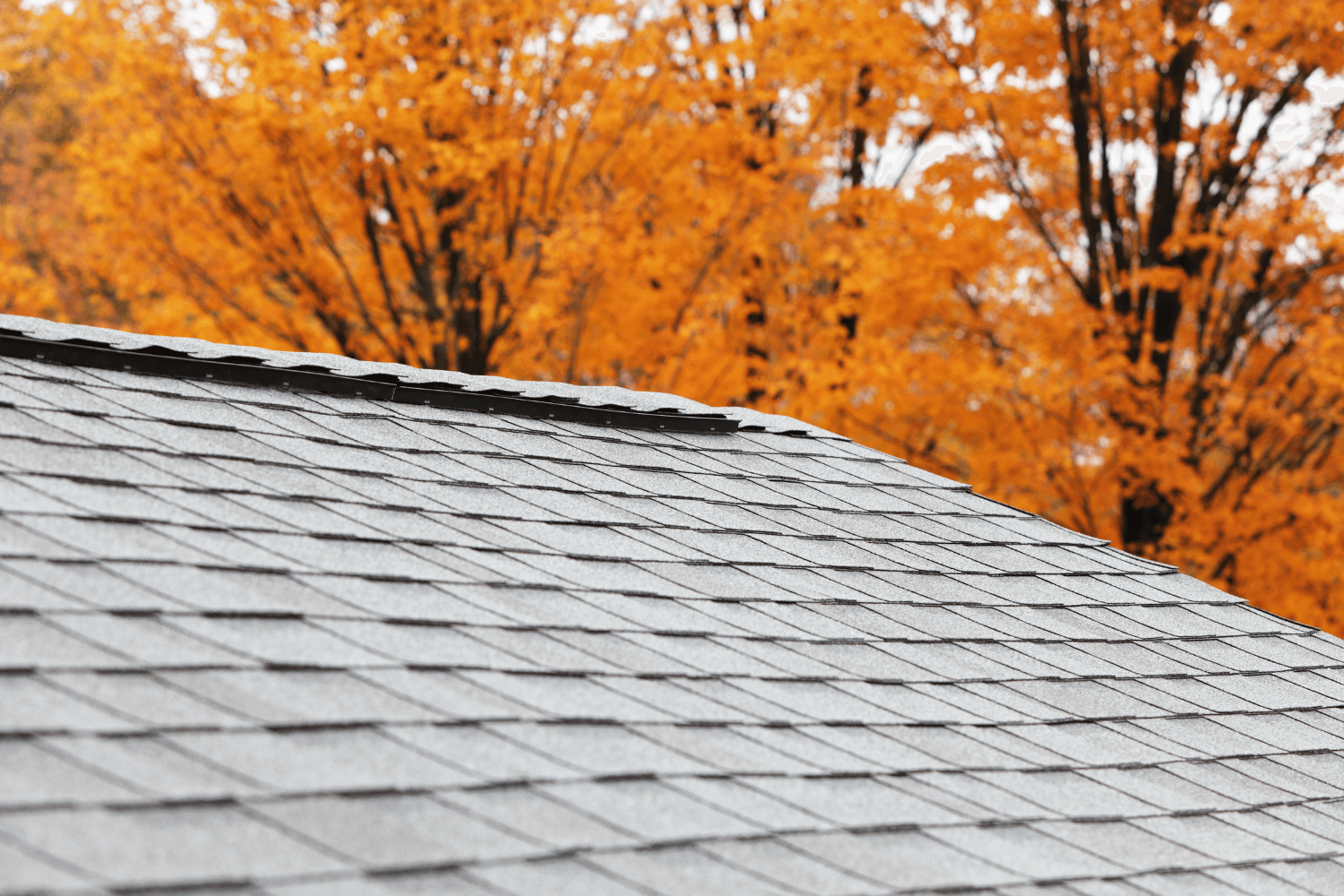
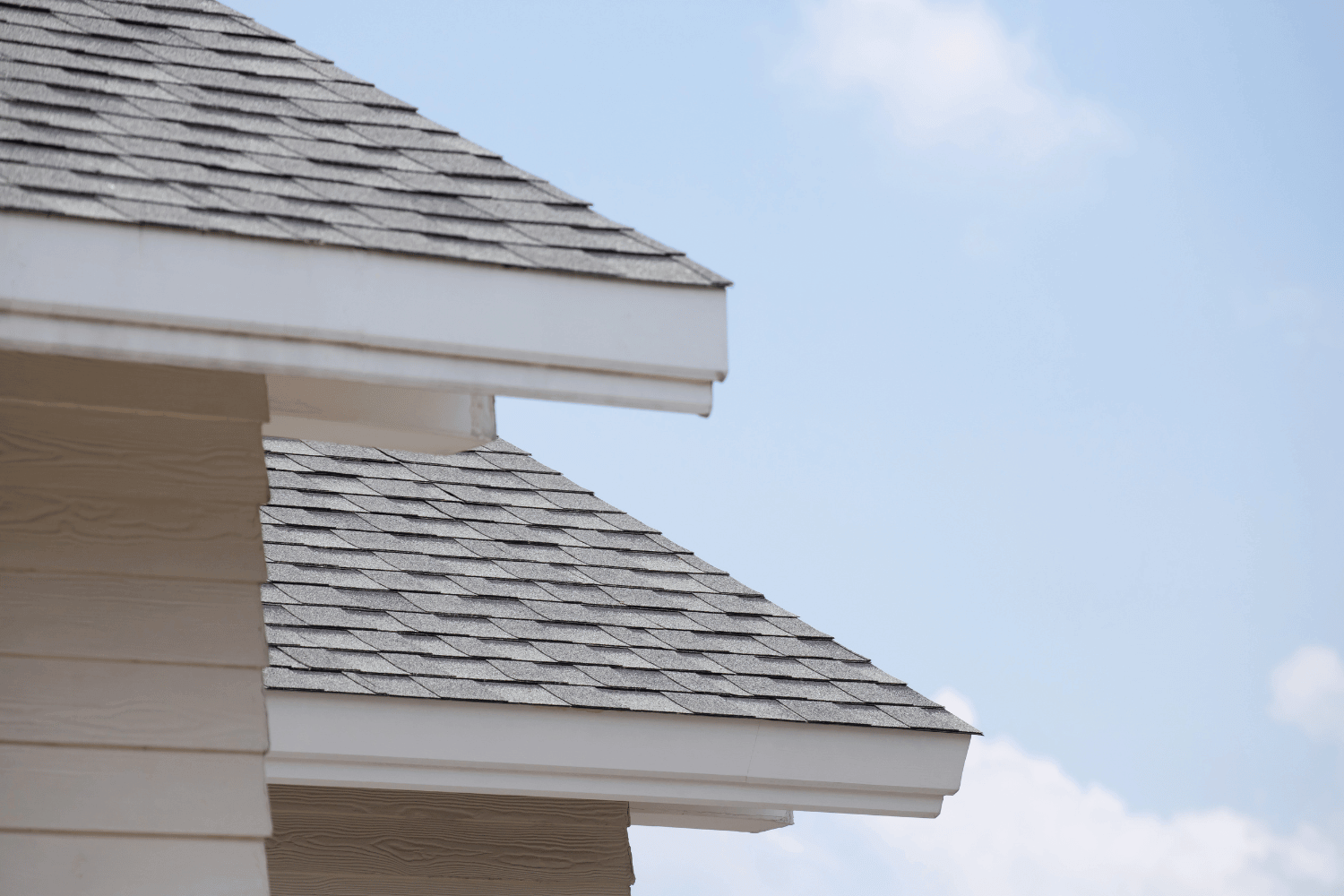
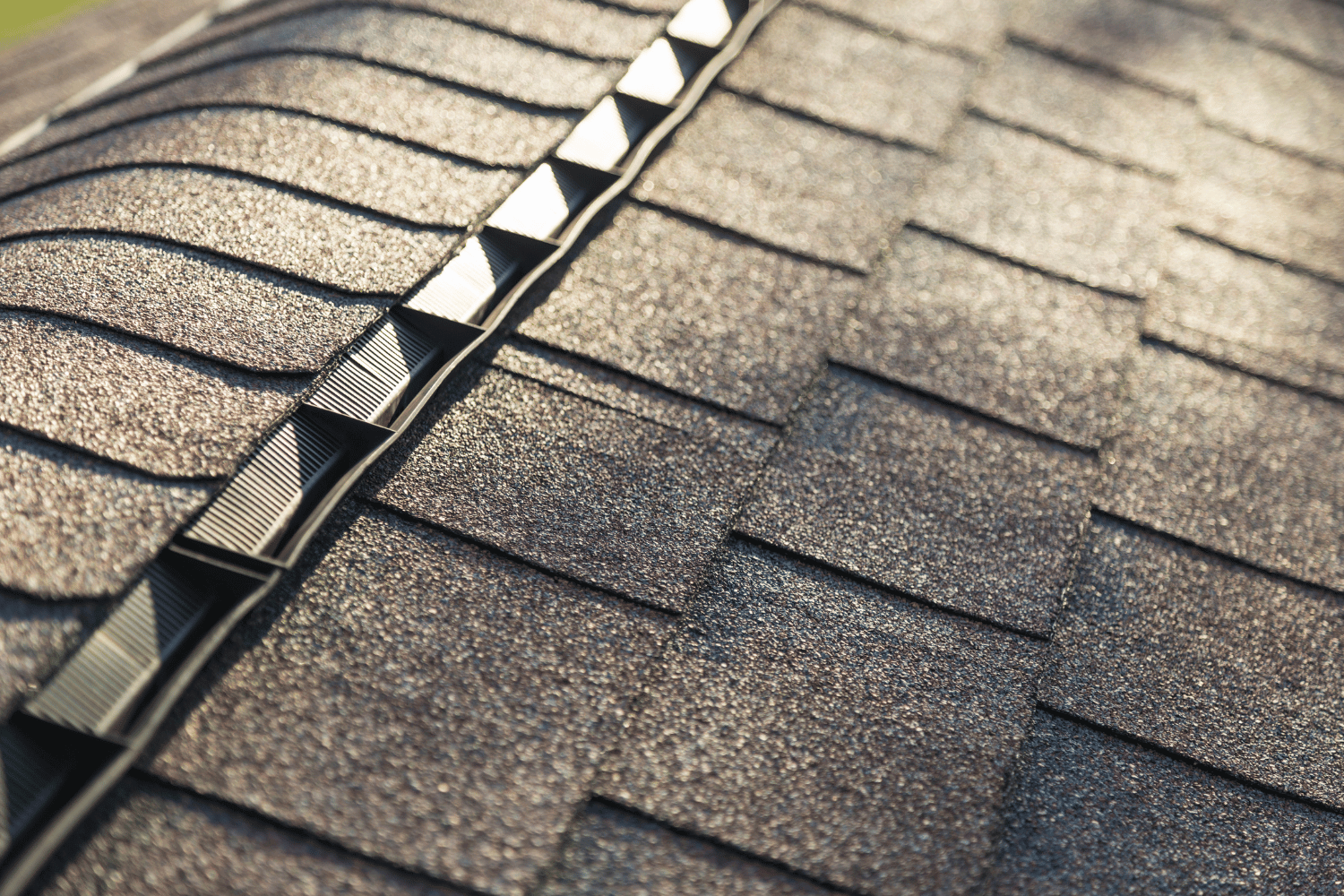
An overview of ridge cap shingles on a roof.


Ridge cap shingles are a vital component of any roofing system. Positioned at the ridge of the roof, these shingles cover the gap where two roof slopes meet, providing a seamless and protective barrier. This placement is not just about aesthetics; it’s a functional necessity that ensures your roof can withstand various weather conditions and maintain its structural integrity over time.

Understanding the specifics of ridge cap shingles helps in appreciating their role in roofing. These shingles are typically thicker and more robust than standard shingles, designed to handle the unique stresses at the roof’s peak. They come in various materials, such as asphalt, metal, and composite, each offering different benefits based on your roofing needs and preferences.

What Are Ridge Cap Shingles?

Ridge cap shingles are designed specifically to cover a 4-inch gap created at the ridge where two roof slopes meet. Unlike regular shingles, ridge cap shingles are thicker and pre-bent to fit perfectly over the roof’s ridges, providing enhanced protection and durability. This design helps them withstand the harsh conditions typically experienced at the roof’s peak, such as strong winds and heavy rain.

When it comes to materials, ridge cap shingles offer a variety of choices. Asphalt is a popular option due to its cost-effectiveness and ease of installation. Metal and composite materials are also available, offering superior durability and longevity. Products from Owens Corning, for instance, are renowned for their exceptional durability and weather resistance, making them a preferred choice for many homeowners.

Importance of Ridge Cap Shingles

The importance of ridge cap shingles cannot be overstated. They serve as a critical barrier against harsh weather conditions, preventing damage to the roofing structure. These shingles effectively seal the ridge gap, safeguarding your roof from leaks and moisture infiltration, which can cause mold growth and structural damage over time. Products like Seal-A-Ridge® Hip & Ridge Cap Shingles are specifically designed to defend against leaks and guard against moisture, significantly reducing attic moisture and heat.

In addition to their protective functions, ridge cap shingles also enhance the overall aesthetic appeal of your roof. Choosing the right ridge cap shingles can transform the appearance of your home, adding a polished and cohesive look to your architectural shingle roof. Specialty roofing accessories like Seal-A-Ridge shingles not only improve performance but also contribute to a visually appealing roofing system.

Choosing the Right Ridge Cap Shingles
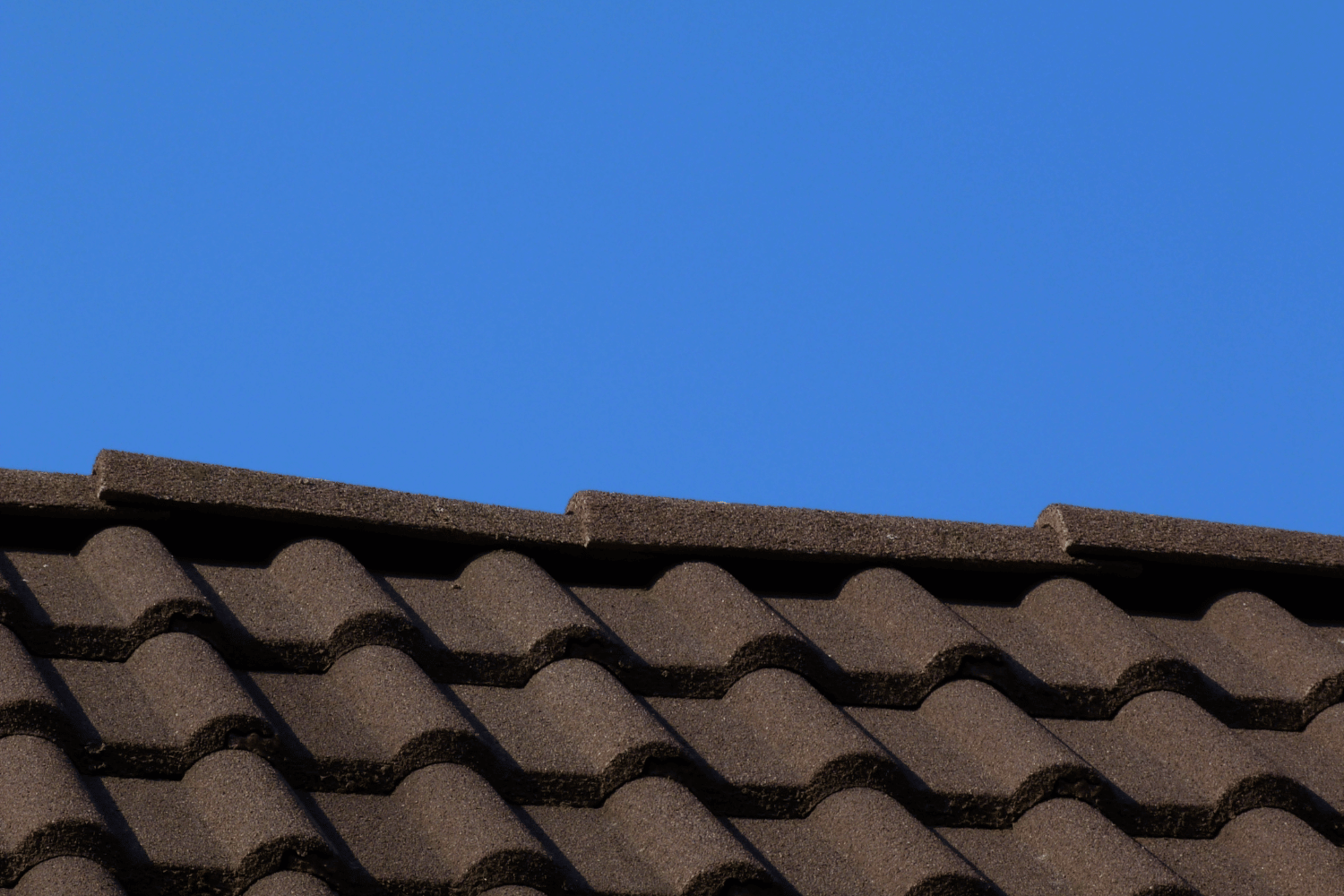
Different types of ridge cap shingles laid out for comparison.


Selecting the right ridge cap shingles is crucial for ensuring the durability and aesthetic appeal of your roof. These shingles are specifically designed to protect the high-stress areas at the ridges of roofs, where two slopes meet.

An informed choice considers the type of shingles, their materials, and their compatibility with your roofing system.

Types of Ridge Cap Shingles

There are several types of ridge cap shingles to choose from, each offering unique benefits. Three-tab shingles, traditionally made from asphalt, are a common choice for ridge cap installation due to their ease of installation and cost-effectiveness. However, for those seeking enhanced durability and visual appeal, architectural shingles, also known as dimensional shingles, are an excellent option. These shingles feature a multi-layered design that provides better durability and a more attractive finish than traditional three-tab options.

Specialty ridge cap shingles are designed for specific roofing applications, offering superior performance in high-stress areas. These shingles are engineered to handle the unique demands of ridge installations, ensuring long-lasting protection and durability.

Color Matching and Aesthetics

Color matching and aesthetics play a significant role in choosing ridge cap shingles. Selecting shingles that match the main roofing material is essential for both aesthetic and functional purposes. A cohesive color scheme enhances the overall visual appeal of the building, making your roof look uniform and well-designed.

Ridge cap shingles from the same dye lot ensure a uniform color and appearance across the roof. For instance, Seal-A-Ridge shingles are designed to effectively match the colors of GAF shingles, aiding in a cohesive roofing design. This attention to detail not only improves the roof’s look but also ensures that the functional aspects of the shingles are fully optimized.

Installation Process for Ridge Cap Shingles
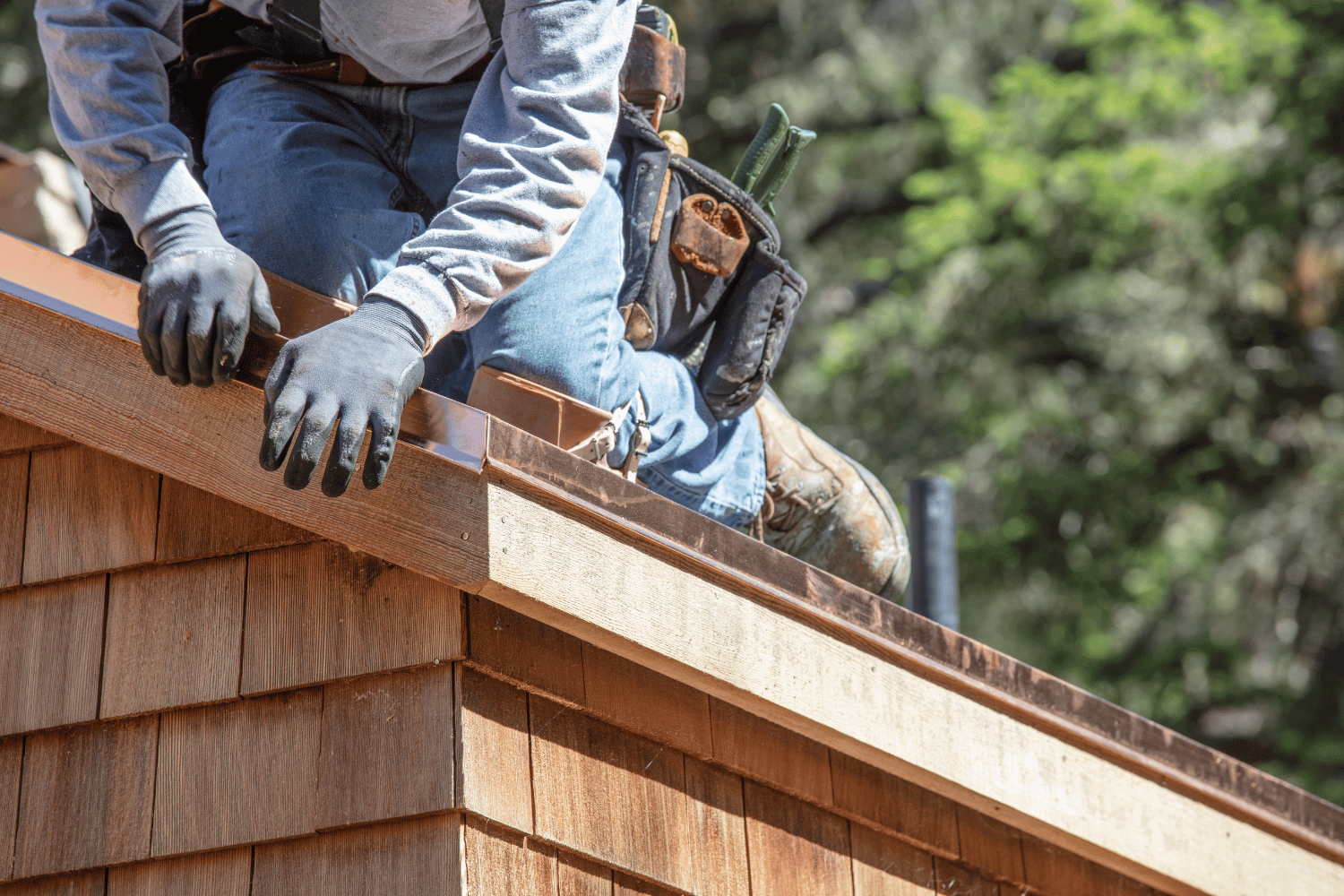
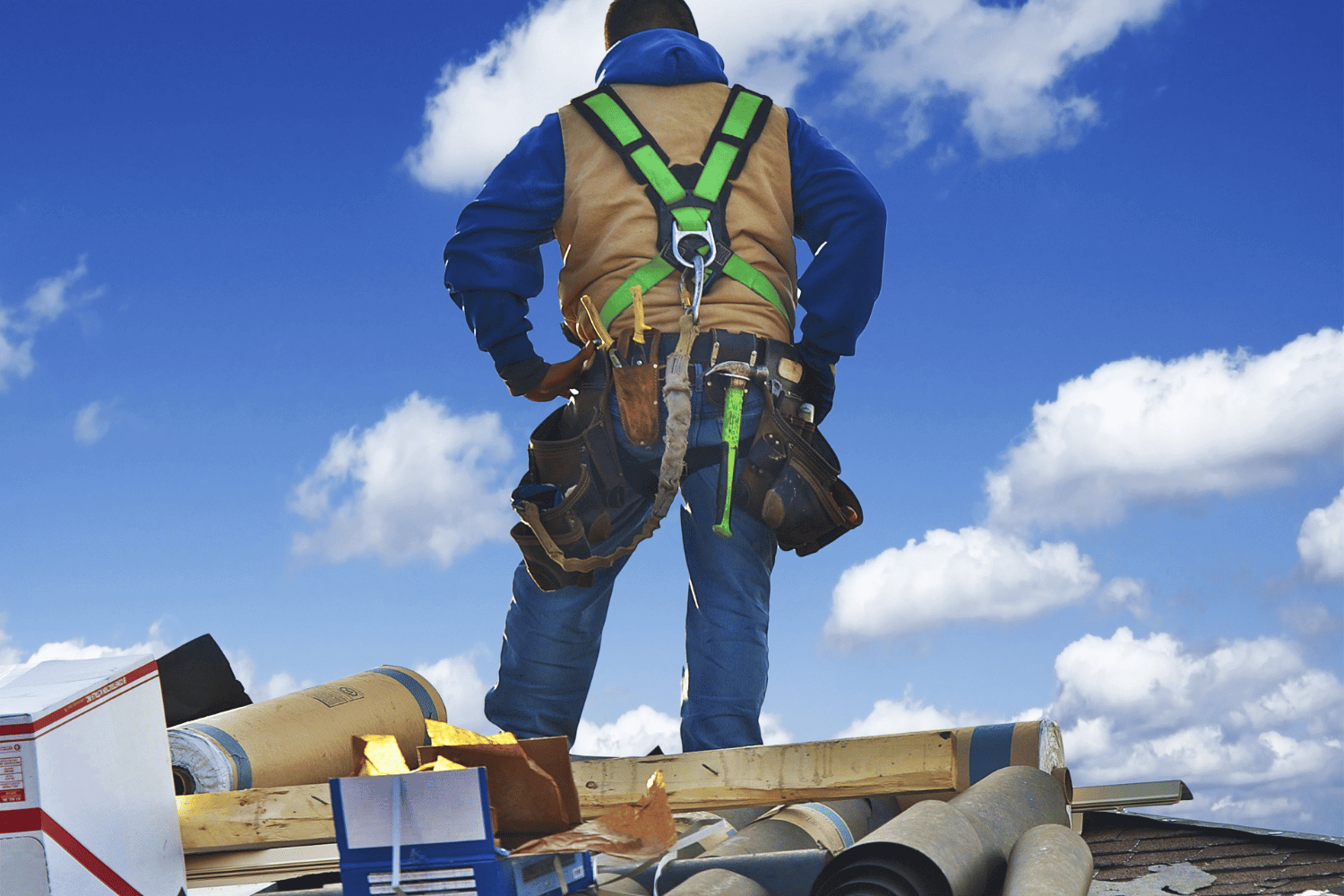
A roofer installing ridge cap shingles on a roof.


The installation of ridge cap shingles is a critical process that significantly impacts their performance and longevity. Proper installation ensures that these shingles provide maximum protection against the elements and maintain the structural integrity of your roof.

Tools and Materials Needed

Before starting the installation, it’s essential to gather the necessary tools and materials. Ridge cap shingles are thicker and pre-bent compared to regular asphalt shingles, providing better coverage over roof ridges. Essential tools include a triangle square for cutting shingles, hook blades for cutting multiple shingles at once, and a roofing hammer or nail gun for securing the shingles. Using a chalk line helps to mark straight lines for accurate shingle placement, and galvanized roofing nails are recommended to prevent rust and ensure a long-lasting hold.

Ridge cap shingles act as a barrier against rain and snow, preventing moisture from entering through the ridge gap. Having all the right tools and materials ensures a smoother and more efficient installation process.

Step-by-Step Installation Instructions

Following a step-by-step approach is crucial for the proper installation of ridge cap shingles. Begin by aligning the first ridge cap shingle to overhang slightly over the roof’s edge, which helps in effective water runoff. Each ridge cap shingle should overlap the previous one by about half its length during installation, ensuring a tight and secure fit.

For better wind resistance, begin installing ridge cap shingles from the end opposite the prevailing wind direction. This method not only improves the overall stability of the shingles but also ensures they remain firmly in place during adverse weather conditions.

Common Installation Mistakes to Avoid

Avoiding common installation mistakes is crucial for the longevity and effectiveness of your ridge cap shingles. Proper placement is crucial to avoid gaps that can lead to leaks. If a ridge cap shingle does not firmly contact the shingle below it, it can be lifted by the wind, creating vulnerabilities.

Doubling up ridge cap shingles during installation can create a richer, thicker appearance while also enhancing weather resistance. Using pretrimmed ridge cap products can improve the ease and accuracy of installation, reducing the risk of errors.

Proper alignment and secure attachment are crucial to prevent dislocation and enhance shingles’ resistance to harsh weather conditions.

Enhancing Roof Ventilation with Ridge Vents
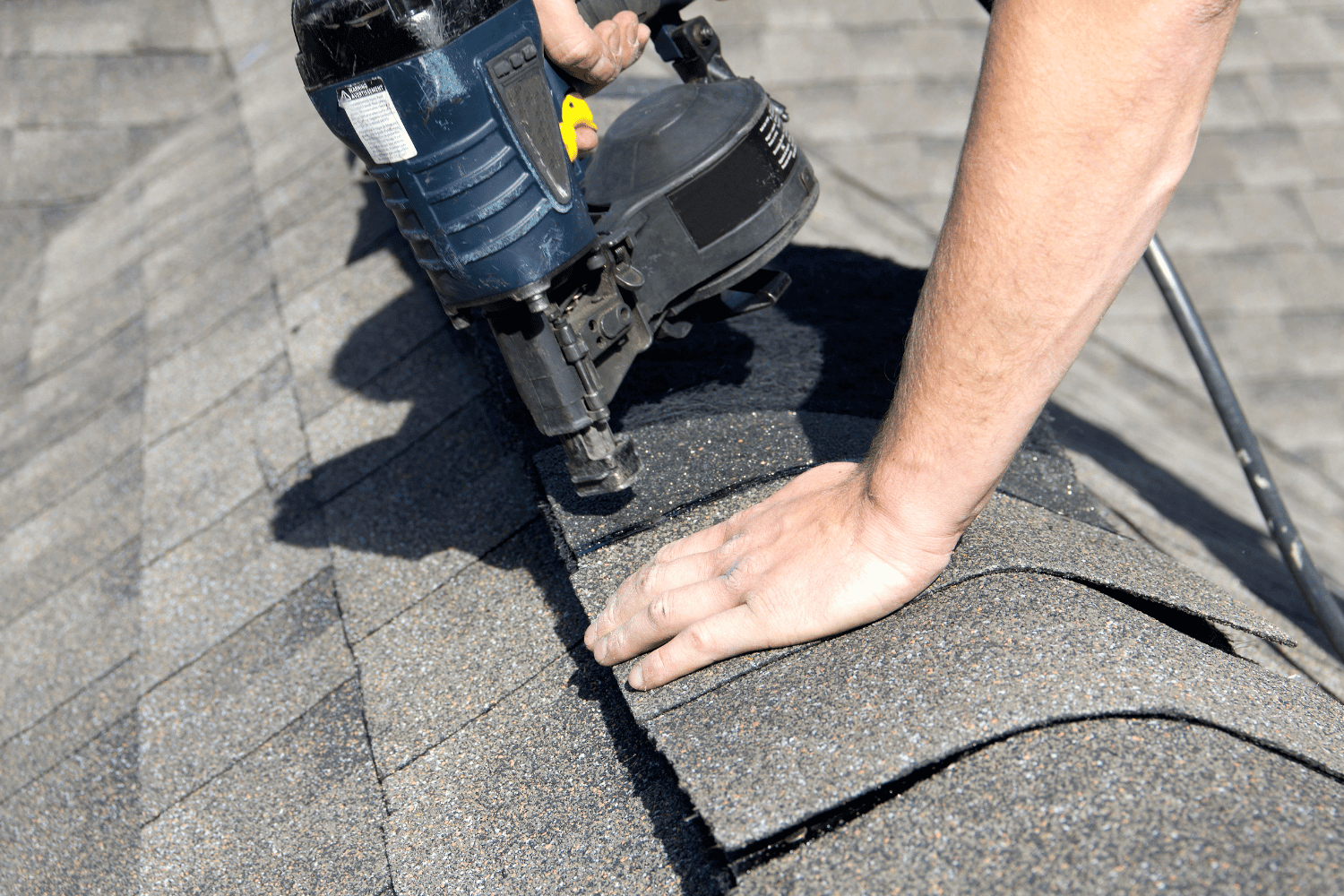
Ridge vents installed along the roof ridge for ventilation.


Enhancing roof ventilation with ridge vents is an important aspect of maintaining a healthy roofing system. Ridge vents promote air circulation, maintaining a cooler roof and reducing moisture buildup.

This ventilation is crucial for the overall performance and longevity of your roof.

Types of Ridge Vents

There are several types of ridge vents, each offering specific benefits. Rigid aluminum ridge vents are often used in starter homes and remodeling projects. Corrugated ridge vents are highly durable and can withstand impacts without damage.

Weather-resistant mesh ridge vents are regarded as the best design for providing effective ventilation while being discreetly integrated with ridge cap shingles. These vents are installed over the vent opening and then covered with ridge cap shingles for added protection and aesthetics.

Benefits of Proper Ventilation

Proper roof ventilation significantly contributes to the health and longevity of your roof. Effective ventilation helps to prevent overheating by allowing hot air to escape from the roof space, thus maintaining a cooler environment. It also minimizes moisture build-up, reducing the risk of water damage and extending the lifespan of your roofing materials.

By ensuring proper ventilation, homeowners can save on costly repairs and improve the overall performance of their roofing system. Ridge vents, in combination with ridge cap shingles, provide a comprehensive solution for maintaining a healthy and durable roof.

Maintenance Tips for Ridge Cap Shingles
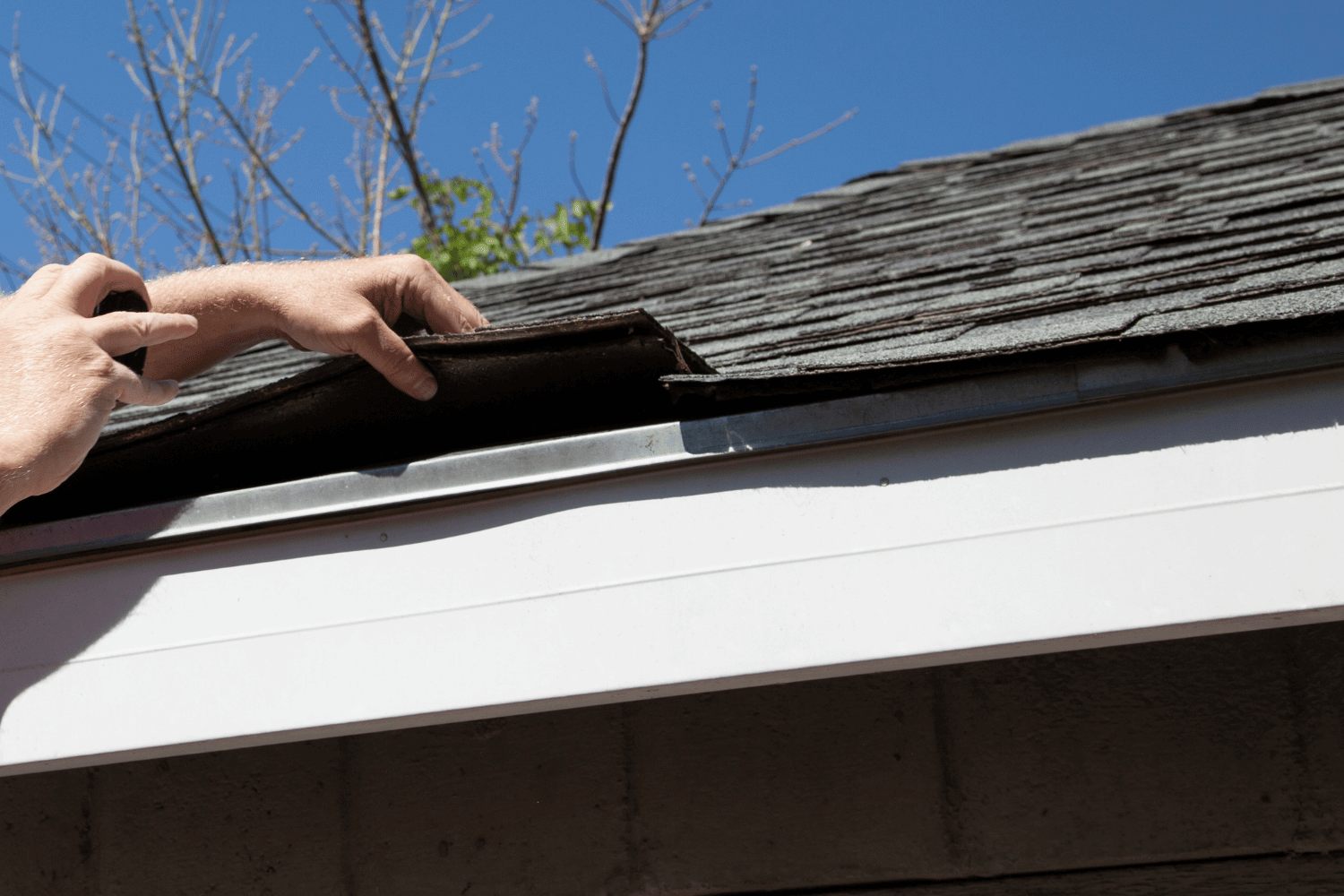
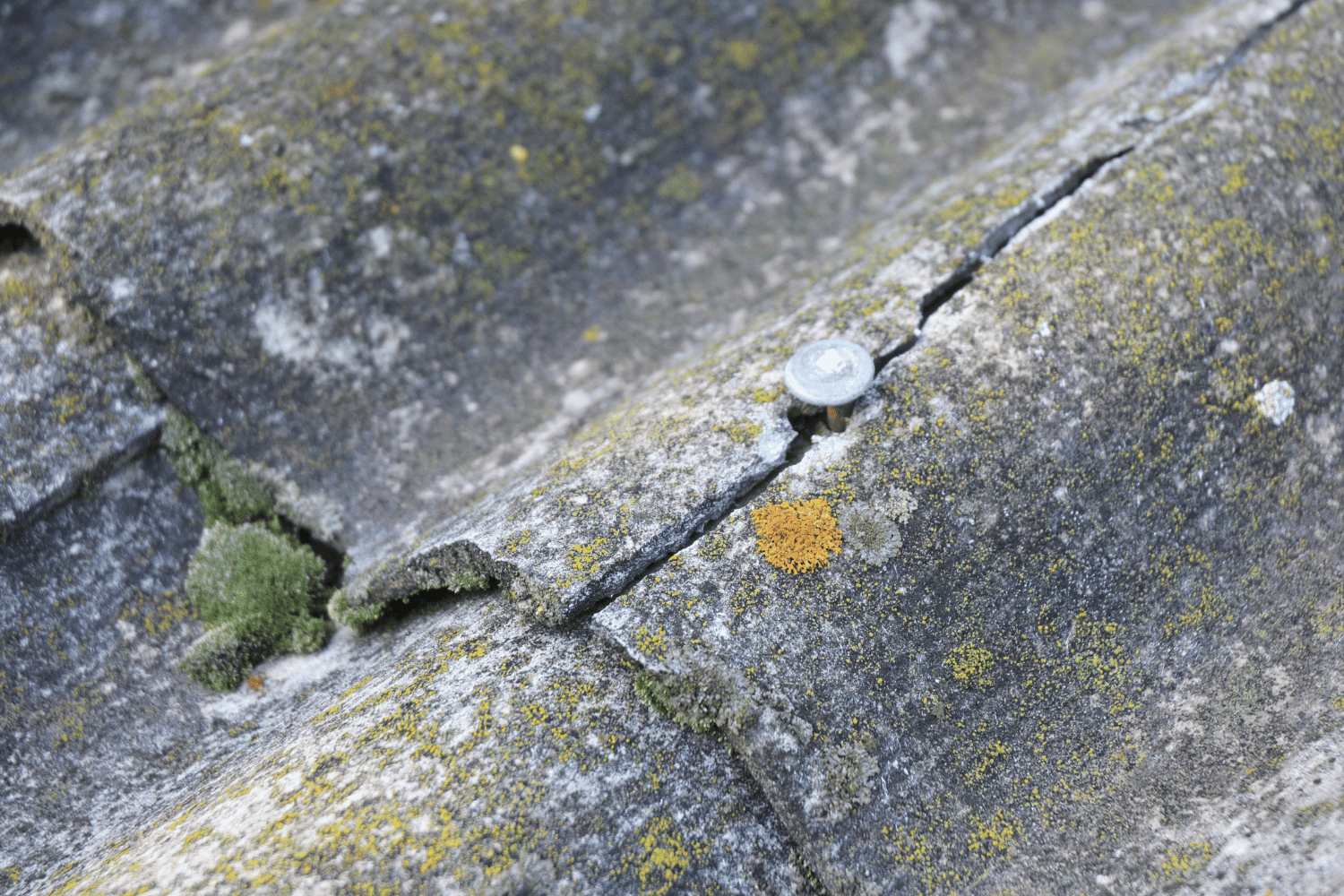
A close-up of ridge cap shingles showing signs of wear and damage.


Routine maintenance is vital for extending the lifespan of ridge cap shingles and preventing leaks and damage. Regular inspections and timely repairs can help keep your roof in optimal condition.

Regular Inspection and Cleaning

Regularly inspecting the ridge cap for damage is essential, as it’s often the first area to show signs of wear. Keeping the roof clear of debris, such as leaves and branches, can prevent water accumulation and reduce the risk of damage. Additionally, ensuring that ridge caps are properly maintained can further enhance the longevity of your roof.

Pruning branches that overhang the roof helps prevent storm damage. Regular inspections should focus on identifying loose or missing shingles and any signs of water damage.

Repairing Damaged Ridge Cap Shingles

Inspect ridge cap shingles for signs of damage such as cracks, curling, or missing pieces to determine if they need repair or replacement. For minor damage, use roofing cement to seal cracks and reattach loose shingles to prevent further issues.

When replacing ridge cap shingles, carefully remove the damaged shingles and install new ones, ensuring proper overlap to maintain waterproofing. Choosing shingles that match the existing ones in color and material ensures aesthetic consistency and optimal performance.

Why Choose Dream Home Roofers for Your Roofing Needs

Selecting Dream Home Roofers ensures a professional experience backed by skilled craftsmanship and quality materials. Our team is dedicated to providing exceptional customer service and delivering top-notch results for your roofing needs.

Premium Owens Corning Materials

Dream Home Roofers uses top-quality Owens Corning products, which are recognized for their durability and aesthetic appeal. As Owens Corning Platinum Preferred Contractors, we ensure that all roofing materials and installations meet the highest standards of quality.

Working with a variety of premium Owens Corning roofing materials allows us to offer the best solutions for roof replacements and repairs. Our commitment to using superior materials guarantees long-lasting and visually stunning results for our clients.

Summary

In conclusion, ridge cap shingles are an essential component of any roofing system, providing critical protection and enhancing the overall aesthetic appeal. By understanding their importance, choosing the right type, and ensuring proper installation and maintenance, homeowners can significantly extend the lifespan of their roofs.

Choosing Dream Home Roofers for your roofing needs guarantees top-quality materials, expert craftsmanship, and exceptional customer service. With flexible financing options and current promotions, now is the perfect time to invest in your roof’s health and longevity.

Frequently Asked Questions

What promotion is currently being offered by Dream Home Roofers?

Dream Home Roofers is currently offering 50% off materials and 0% financing on full roof replacements, available with approved credit until August 31, 2024.

What type of roofing materials does Dream Home Roofers work with?

Dream Home Roofers specializes in premium Owens Corning roofing materials for roof replacements, ensuring high quality and durability.

What are architectural shingles?

Architectural shingles are a type of asphalt shingle known for their multi-layer design, which provides a more textured appearance compared to traditional three-tab shingles. This added depth enhances both the aesthetic appeal and durability of the roofing material.

What should homeowners consider to determine if they need a roof replacement?

Homeowners need to assess storm damage, the condition of shingles, and the roof’s age, particularly if it exceeds 20 years, to determine if a replacement is necessary. Timely evaluation can prevent further issues and ensure the integrity of your home.

What financing options does Dream Home Roofers offer?

Dream Home Roofers provides flexible financing options that allow homeowners to complete upgrades without the stress of upfront payments. This approach helps make home improvements more accessible.
https://dreamhomeroofers.com/wp-content/uploads/2024/09/dhr-logo.png 0 0 Dream Home Roofers https://dreamhomeroofers.com/wp-content/uploads/2024/09/dhr-logo.png Dream Home Roofers2024-10-24 08:00:242026-03-27 11:23:44Top Tips for Installing Shingles Ridge Cap for Better Roof Protection

Top Signs to Answer: How Do I Know If I Need a New Roof?

in Roof Repair, Roof Replacement, Roofing/by Dream Home Roofers

How do I know if I need a new roof? Figuring this out early can prevent significant damage to your home. In this guide, we will walk you through the signs that indicate a roof replacement may be necessary.

Key Takeaways

  • If your asphalt roof is over 20 years old, it’s time to consider a replacement, even if it looks fine.
  • Signs of leaks, water damage, or missing shingles are major red flags that indicate your roof may need replacing.
  • Watch for granules in your gutters and moss or algae growth on your roof, as these signal deterioration and potential roof issues.

Signs Your Roof’s Age Indicates Replacement

A visual representation of common signs indicating a roof's age, such as cracked shingles and dark streaks. This can help homeowners understand how do I know if I need a new roof.


The age of your asphalt roof is a clear indicator of whether it might need replacing. Asphalt shingle roofs usually last between 15 to 25 years. If your roof is over 20 years old, considering a replacement is wise. Even if it seems in good condition, years of wear and tear can take their toll.

Older roofs require more frequent inspections. A roofing professional can evaluate your roof’s condition and spot issues not visible from the ground. If neighbors with similarly aged homes are getting new roofs, it might be time for yours too.

Avoid waiting for leaks or visible damage before taking action. Replacing an old roof proactively can prevent severe issues later. If your roof shows signs of aging, consult a roofing contractor.

Identifying Leaks and Water Damage

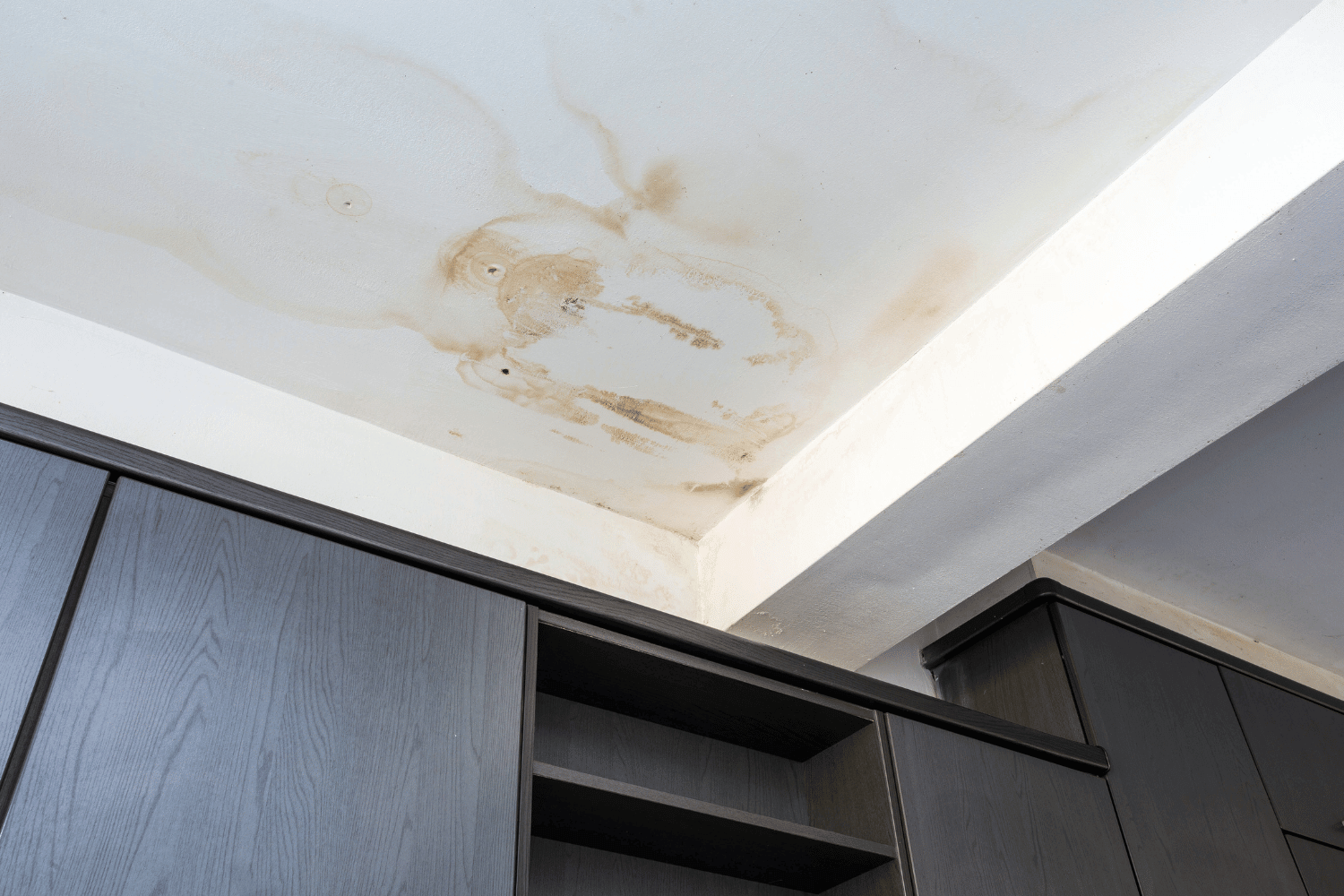
An image depicting water damage on a ceiling, illustrating the effects of a leaky roof.


A roof leak can cause significant problems. Ceiling, walls, or attic stains, streaks, or water spots indicate water damage and need immediate attention. Persistent or multiple leaks often signal that your roof may need replacement.

Water intrusion can result in mold growth, structural damage, and ruined personal property. Upon detecting a leak, schedule a roof inspection immediately. Promptly addressing leaks can prevent extensive damage to your home’s interior and structural integrity.

Internal signs of water damage should never be ignored, even if your roof looks fine externally. Older roofs can deteriorate over time, so considering replacement before severe damage happens is wise.

Cracked, Curling, or Missing Shingles

Shingles protect your roof from the elements. Damage to them is a clear sign your roof may need replacing. Cracked shingles, curled shingles, or cupped tabs indicate deterioration. Visible cracks often mean shingles are at the end of their lifespan.

Missing shingles expose underlying materials to water damage and other elements. If you notice missing shingles, especially after a storm, act quickly. This damage affects both the appearance and functionality of your roof.

Regular inspections can help catch these issues early. If your roof is losing shingles or showing significant wear, consult a roofing contractor to discuss replacement options.

Granules in Gutters and Around Your Home

An illustration showing granules from asphalt shingles collected in gutters, indicating potential roofing issues.


Granules on shingles protect your roof from sun damage. Finding granules in gutters or around your home indicates shingle deterioration. This loss can expose underlying materials to harmful UV rays, causing further damage.

Severe weather, especially hail storms, can detach granules from shingles. Bald spots or a significant amount of granules in gutters signal that your roof may need replacing. Aging shingles losing granules indicate they’ve reached the end of their lifespan.

High-quality shingles are less prone to granule loss, but all shingles wear down over time. Regular maintenance and inspections can help catch this early, allowing you to plan for a replacement before serious issues arise.

Moss, Algae, and Vegetation Growth

Moss and algae growth on your roof are more than just eyesores. Moss growth can trap moisture, damaging roofing material. If untreated, moss can penetrate shingles, causing water infiltration and compromising roof integrity.

Algae growth, though not immediately damaging, can shorten your roof’s lifespan. Dark streaks caused by algae are often mistaken for dirt or aging but signal that your roof needs attention.

Regular maintenance and installing zinc or copper strips can prevent moss and algae growth.

Structural Damage: Sagging Roofline

A photo showing a sagging roofline, which can indicate structural damage.


A sagging roofline is a red flag indicating serious structural problems requiring immediate inspection. A wavy or sagging roof suggests a compromised roof deck, negatively impacting your home’s overall stability.

Ignoring a sagging roof can lead to extensive damage and costly repairs. Factors like heavy snow, improper installation, or poor drainage contribute to a sagging roofline. Contact a roofing professional if you notice any irregularities.

Rust and corrosion on gutters signal poor drainage and potential roof damage. Regular inspections and prompt action can prevent significant issues and maintain your roof’s health.

Neighborhood Trends: New Roofs Nearby

If many homes in your neighborhood are getting a new roof, it might indicate that yours is nearing the end of its lifespan. Shared weather conditions and similar construction dates can mean your roof may need a new roof around the same time.

Checking your roof is especially important if neighbors are replacing theirs after a storm, as your home could have similar storm damage. Observing neighborhood trends can provide insights into when it might be time to replace your roof.

Preparing for a Roof Replacement

An image of a construction worker inspecting a roof, preparing for a roof replacement.


Preparing for a roof replacement involves more than selecting new shingles. Most roofing materials, like asphalt shingles, last between 20 to 25 years. Considering financing options in advance can ease the financial burden when replacing your roof.

Check if your home warranty covers roof replacements, potentially saving you significant money. The timing of your roof replacement can influence costs, with off-peak seasons often offering better rates.

Regular maintenance and inspections can extend your roof’s life and help plan for a replacement before it becomes urgent. Consulting a roofing contractor can provide a clear plan and peace of mind as you prepare for this important re roof project.

Summary

In summary, knowing when to replace your roof is crucial for maintaining the safety and integrity of your home. Key signs include the roof’s age, visible water damage, cracked or missing shingles, granule loss, vegetation growth, and structural damage like a sagging roofline. Taking note of neighborhood trends can also provide insights into when your roof might need replacement.

Proactively addressing these signs and scheduling regular inspections with a roofing professional can help you avoid costly repairs and ensure that your home remains protected from the elements. Remember, a well-maintained roof is not only a safeguard for your home but also adds to its overall value and curb appeal.

Don’t wait until a minor issue turns into a major problem. If your roof is showing signs of wear or damage, it might be time to replace your roof. Contact Dream Home Roofers today for a comprehensive roof inspection and personalized advice on your roofing needs.

Frequently Asked Questions

How do I know if my roof needs to be replaced?

If you notice signs like an aging roof, water damage, cracked or missing shingles, granule loss, vegetation growth, or a sagging roofline, it might be time for a replacement. Keeping an eye on these indicators can help you avoid more serious issues down the line.

What financing options are available for roof replacement?

You can explore flexible financing options from companies like Dream Home Roofers, making it easier to manage the costs of your roof replacement. It’s a great way to ensure your home stays protected without breaking the bank!

What types of roofing materials do you use?

We use a range of premium Owens Corning roofing materials, like asphalt shingles and tile roofs, to ensure quality and durability for your home.

Are there any discounts available for roof replacements?

Absolutely! You can get 50% off materials for roof replacements right now.

How often should I have my roof checked?

It’s a good idea to have your roof checked at least once a year, and definitely after any severe weather. Staying proactive can help you catch issues early and save money in the long run!

https://dreamhomeroofers.com/wp-content/uploads/2024/09/dhr-logo.png 0 0 Dream Home Roofers https://dreamhomeroofers.com/wp-content/uploads/2024/09/dhr-logo.png Dream Home Roofers2024-10-22 08:00:362026-03-27 11:24:08Top Signs to Answer: How Do I Know If I Need a New Roof?

What Are the Most Common Roofing Scams

in Roofing/by Dream Home Roofers

Roofing scams are a significant issue, especially for homeowners who are not familiar with the roofing process. These scams can leave you with a poorly done job, costing you more in the long run. Here’s a rundown for homeowners asking the common question, “What are the most common roofing scams”, as well as tips to avoid them.

Common Roofing Scams to Watch Out For

1. Large Upfront or Down Payments Required

One red flag to watch out for is a roofer asking for a large upfront or down payment before any work begins. Legitimate roofing companies typically ask for a small deposit, with the remaining balance due upon completion of the work. Scammers might take your money and disappear or perform subpar work, knowing you’ve already paid them.

2. High-Pressure Sales Tactics

High-pressure sales tactics are another common scam. If a roofer is pushing you to sign a contract immediately or claims the offer is only valid for a limited time, be cautious. Trustworthy roofing companies give you time to consider your options and make an informed decision.

3. Storm Chasers

Storm chasers are roofers who follow severe weather events, offering their services to repair damage caused by storms. They often go door-to-door, claiming to have noticed damage to your roof. While some may be legitimate, many are not. They might offer low-quality repairs or even cause damage themselves to justify their services.

4. Roofers with No Licenses

Hiring a roofer without the proper licenses and insurance is a major risk. Unlicensed contractors may offer lower prices but often lack the skills and knowledge required for a proper roofing job. Also, if something goes wrong, you have little recourse for getting the issue resolved.

5. Unnecessary Roofing Repairs

Some roofers might convince you that you need extensive repairs when you don’t. They might exaggerate minor issues or invent problems to inflate their bill. Always get a second opinion if a roofer claims you need significant repairs.

How to Protect Yourself

  • Research: Look up reviews and ratings for roofing companies. Check their credentials and ensure they are licensed and insured.
  • Get Multiple Quotes: Don’t settle for the first estimate you receive. Getting multiple quotes can help you spot outliers and ensure you’re getting a fair price.
  • Read Contracts Carefully: Ensure you understand all terms and conditions before signing a contract. If something seems off, ask questions or seek legal advice.
  • Avoid Cash Payments: Pay with a credit card or check to have a paper trail. Be wary of contractors who insist on cash payments.

Trust Dream Home Roofers

When it comes to questioning what are the most common roofing scams, you want a company you can trust. Dream Home Roofers offers reliable, professional services backed by years of experience and a commitment to customer satisfaction. Whether you need a repair, replacement, or inspection, you can count on Dream Home Roofers to deliver quality work without the risk of scams. Contact us online today for all your roofing needs and enjoy peace of mind knowing your home is in good hands.

0 0 Dream Home Roofers https://dreamhomeroofers.com/wp-content/uploads/2024/09/dhr-logo.png Dream Home Roofers2024-07-16 20:22:282026-03-27 11:23:13What Are the Most Common Roofing Scams
Storm-Damage

How Much Wind Can a Roof Withstand During a Storm?

in Roofing/by Dream Home Roofers

When storm season hits, one of the primary concerns for homeowners is the durability of their roofs against high winds. Many homeowners wonder, “How much wind can a roof withstand during a storm?”, and understanding how much your roof can handle is crucial for ensuring your home remains safe and protected.

Factors Affecting Roof Wind Resistance:

Roof Design: The slope, shape, and materials of your roof significantly impact its ability to withstand high winds. Steeper slopes tend to fare better as the wind passes over them more smoothly.
Material Quality: High-quality roofing materials, such as asphalt shingles, metal roofing, or tile, can withstand higher wind speeds compared to lower-quality materials.
Installation Quality: Proper installation is key. A well-installed roof with securely fastened materials and adequate underlayment provides better resistance against wind uplift.
Building Codes: Local building codes specify minimum wind resistance requirements for roofs based on the region’s typical weather conditions.

Wind Ratings and Roof Performance

Wind Speed Ratings: Roofs are typically rated to withstand wind speeds categorized by the Beaufort scale or hurricane categories (e.g., Category 1 to Category 5 hurricanes).

Common Ratings:

  • Category 1 (74-95 mph): Minimal damage.
  • Category 2 (96-110 mph): Moderate damage.
  • Category 3 (111-129 mph): Extensive damage.
  • Category 4 (130-156 mph): Extreme damage.
  • Category 5 (157+ mph): Catastrophic damage.

Roof Replacement Considerations

If your roof has endured storm damage or if it’s approaching the end of its lifespan, considering a roof replacement might be prudent. A new roof not only enhances your home’s aesthetic appeal but also ensures better protection against severe weather events.

Why Choose Dream Home Roofers?

At Dream Home Roofers, we specialize in providing top-notch roof replacement services tailored to your needs. Whether you’re looking to upgrade for enhanced wind resistance or due to storm damage, our experienced team is here to help. We offer:

Quality Materials: We only use high-quality asphalt materials designed to withstand varying wind speeds.
Expert Installation: Our roofing experts ensure meticulous installation, adhering to industry standards and local building codes to maximize your roof’s wind resistance.
Custom Solutions: We tailor our solutions to fit your home’s unique architecture and your specific preferences, ensuring both functionality and aesthetic appeal.

Reach Out to Dream Home Roofers Today

Don’t wait until the next storm season. Reach out to our pros at Dream Home Roofers today for a consultation and discover how we can protect your home with a reliable, wind-resistant roof. Contact us online today for more information, or if you’re still asking yourself, “How much wind can a roof withstand during a storm?”.

https://dreamhomeroofers.com/wp-content/uploads/2025/03/Storm-Restoration-Featured-Image.jpg 399 600 Dream Home Roofers https://dreamhomeroofers.com/wp-content/uploads/2024/09/dhr-logo.png Dream Home Roofers2024-07-08 18:47:402026-01-30 17:49:27How Much Wind Can a Roof Withstand During a Storm?

How to Measure a Roof from the Ground

in Roofing/by Dream Home Roofers

Measuring your roof can seem like a daunting task, especially if you’re not too keen on heights. Fortunately, you don’t always need to climb up to get an accurate measurement. Here’s a handy guide on how to measure a roof from the ground. It is always best to have a trained professional handle the task for you, in order to get an accurate and precise measurement. Dream Home Roofers are here to help you take on this task.

Step 1: Gather Your Tools

Before you start, you’ll need a few tools:

  • Tape Measure: A long one, preferably 100 feet or more.
  • Laser Measuring Tool: Optional, but highly useful for longer distances.
  • Notepad and Pen: To jot down your measurements.
  • Calculator: To perform area calculations.

Step 2: Measure the Perimeter

Start by measuring the length and width of your house at ground level. Use the tape measure or laser tool to get accurate measurements of each side. Write down these numbers carefully.

Step 3: Calculate the Roof Pitch

The pitch or slope of your roof is essential for accurate measurements. You can estimate this by measuring from the ground. Here’s a simple method:

  • Place a level on the ground beside your house, aligning one end with the base of the wall.
  • Measure the vertical distance from the other end of the level to the ground.
  • Divide this height by the level’s length to get the pitch ratio. For example, if the level is 12 inches long and the height is 6 inches, the pitch is 6/12 or 0.5.

Step 4: Determine the Roof Area

With the perimeter and pitch, you can estimate the roof area:

  1. Calculate the ground-level area: Multiply the length by the width.
  2. Adjust for pitch: Multiply the ground-level area by a factor based on the pitch. Common factors are:
    • Flat (0 pitch): Multiply by 1
    • Low (4/12 pitch): Multiply by 1.054
    • Medium (9/12 pitch): Multiply by 1.25
    • Steep (12/12 pitch): Multiply by 1.414

Step 5: Consider Roof Features

Don’t forget to account for any dormers, valleys, or other features that may affect the total area. These can complicate the measurement, making it more challenging to estimate accurately from the ground.

Why Professional Measurement is Crucial

While these steps can give you a rough idea, nothing beats a professional measurement for accuracy. Professionals like the team at Dream Home have the experience, tools, and knowledge to provide precise measurements, ensuring you get the right amount of materials for your project.

Contact Dream Home for Accurate Roof Measurements

Measuring a roof is no small task, and errors can lead to costly mistakes. If you want to ensure your measurements are spot-on, reach out to the professionals at Dream Home today. We’ll can take precise measurements, saving you time and effort. Contact us online today to schedule your roof measurement, or if you’re still wondering how to measure a roof from the ground.

0 0 Dream Home Roofers https://dreamhomeroofers.com/wp-content/uploads/2024/09/dhr-logo.png Dream Home Roofers2024-06-17 19:25:482025-08-26 03:56:00How to Measure a Roof from the Ground
A well-maintained roof with proper ventilation and no visible signs of damage.

What Questions to Ask a Roofer

in Roofing/by Dream Home Roofers

15 Questions to Ask a Roofer Before Hiring Them

Hiring a roofer isn’t something most homeowners do often—but when it’s time, the stakes are high. From leaks to storm damage to full roof replacements, the contractor you choose plays a major role in the quality, safety, and longevity of your roof. Knowing the right questions to ask a roofer can protect your investment and give you peace of mind.

Here’s a comprehensive list of what to ask before you sign any agreement.


Key Takeaways

  • Ask about licensing, insurance, and certifications.
  • Verify the contractor’s experience with your roofing material.
  • Confirm warranty coverage and written estimates.
  • Request local references and jobsite cleanup details.
  • Owens Corning Platinum Contractors offer elite warranties and standards.

Research and Preparation: What Should I Do Before Contacting Roofers?

Before you reach out to any roofing contractor, take time to prepare and do your homework. Start by evaluating your existing roof—look for signs of wear, leaks, or storm damage, and decide whether you need a roof repair or a full roof replacement. Set a realistic budget for your project, keeping in mind the costs of different roofing materials and the scope of work.

Next, research local roofing contractors with strong reputations. Check that they have proper licenses and insurance coverage, including workers compensation insurance, to protect you and their crew. Read online reviews, ask friends and neighbors for recommendations, and consult the Better Business Bureau to identify trustworthy roofing companies. Make a list of questions to ask each contractor, focusing on their experience, the roofing materials they use, and the warranties they offer. A professional roofer will be transparent about their business practices, insurance coverage, and approach to roof installation. Doing this groundwork will help you find the right roofing contractor for your project and ensure a smooth, successful experience.


1. Are You Licensed in This State?

Always confirm that your roofer holds a valid contractor’s license for your state. This ensures they meet minimum standards for training, insurance, and code compliance.

Each Mid-Atlantic state—like New Jersey, Pennsylvania, and Maryland—has different licensing requirements, so ask for their license number and verify it online if possible.

2. Do You Carry General Liability and Workers’ Compensation Insurance?

This is critical. Liability insurance protects your property if damage occurs, while workers’ compensation covers injuries on the job. If a contractor lacks either, you could be held responsible for medical bills or damages.

Dream Home Roofers is fully insured across all service regions.

3. Are You an Owens Corning Platinum Preferred Contractor?

This elite designation is only awarded to roofing companies that meet rigorous installation, safety, and customer service standards. It also grants access to the best manufacturer warranties available—including lifetime material coverage.

Learn about our Owens Corning certification

4. How Long Have You Been in Business?

Roofing is a high-turnover industry. Ask how long the company has operated under its current name, and whether it has a permanent business address. Request a physical address rather than a post office box to verify the company’s legitimacy. Longevity is a good sign of reliability and consistent service.

5. What Types of Roofing Do You Specialize In?

Different roofing materials require different skills. A contractor experienced in asphalt shingle replacement might not be qualified for metal or flat roof systems. Confirm they have specific experience with the material you’re using. When installing shingles, especially new shingles, proper installation techniques are essential to ensure durability and prevent future issues. Make sure your contractor is experienced in installing various roofing materials and follows the shingle manufacturer’s installation guidelines to maintain warranty coverage.

Explore our asphalt shingle replacement services

6. Can You Provide Recent References?

A reputable roofer should be able to offer names of past clients—especially in your local area. Ask for 2–3 references and follow up with a few questions about the quality, cleanup, and communication throughout the project. Specifically, request to speak with past customers who have had their roof replaced in the last few years to better understand the roofer’s workmanship and long-term results.

7. Will You Provide a Detailed Written Estimate?

Verbal quotes aren’t enough. Request a written estimate that includes a detailed cost breakdown for labor, materials, timeline, and cleanup. This prevents surprise charges and ensures everyone agrees on the scope.

8. What Warranties Do You Offer?

Roofing warranties typically include:

  • Manufacturer warranties for materials (usually 25+ years), provided by the shingle manufacturer. To maintain this warranty, proper installation by an authorized or qualified contractor is required.
  • Workmanship warranty from the contractor, which covers potential installation errors and varies by company.

As an Owens Corning Platinum Contractor, Dream Home Roofers offers extended system warranties few others can match.

9. How Will You Protect My Property?

Ask how the crew will protect your landscaping, windows, siding, driveway, and yard during the project. Roofing debris can cause damage if not carefully managed with tarps, catch systems, or protective boards.

10. What Is Your Process for Cleanup?

Confirm that cleanup includes nail sweeping, debris hauling, and checking gutters for leftover materials. Ask your contractor how many nails are used per shingle and ensure that all nails are thoroughly removed from the yard after the project. A clean jobsite reflects professionalism and prevents hazards.

11. How Will You Handle Weather Delays?

Mid-Atlantic inclement weather can change quickly. A quality roofer will have a plan for securing the work area and rescheduling as needed, including contingency plans for unexpected inclement weather, to ensure safety and maintain workmanship standards.

12. Who Will Supervise the Job?

Clarify who your point of contact will be during the project. Is there an on-site foreman? Will the person who sells the job also oversee the crew?

Clear communication avoids misunderstandings.

Project Management: How Will You Communicate Progress and Handle Issues?

Clear communication is key to a successful roofing job. When evaluating roofing contractors, ask how they plan to keep you updated throughout your roof repair or replacement project. A reputable roofing contractor should outline how often you’ll receive progress reports, who your main point of contact will be, and how quickly they respond to questions or concerns.

Find out how they handle unexpected issues, such as weather delays or changes in the project scope. Ask about their process for tracking the project’s schedule, budget, and quality of work, and how they document any adjustments. The right contractor will have experience managing similar jobs and a proven system for resolving problems efficiently. By understanding their project management approach, you can feel confident that your roofing job will stay on track and meet your expectations from start to finish.

Subcontractors and Crews: Who Will Actually Be Working on My Roof?

It’s important to know exactly who will be working on your house during a roof replacement or repair. Ask your roofing contractor whether they use their own in-house crews or hire subcontractors for the job. If subcontractors are involved, inquire about their qualifications, experience with your chosen roofing materials, and familiarity with local building codes.

A reputable roofing company should have strict standards for hiring and supervising all workers, ensuring they are trained in safety protocols and proper installation techniques. Ask about background checks, drug testing, and ongoing safety training for everyone on your property. Understanding who will be on your roof—and how they’re managed—gives you peace of mind that your project will be completed safely, professionally, and in compliance with all building codes.

13. What Is the Payment Schedule?

Avoid contractors who demand full payment upfront. A typical schedule includes a deposit, milestone payments, and a final payment upon completion and inspection. Be sure to clarify the payment terms with your contractor, including the accepted payment methods, the payment schedule, and any conditions tied to each payment. Ask how payment is handled—use traceable payment methods like checks or bank transfers, and avoid cash payments or other risky practices.

14. Do You Pull the Necessary Permits?

Roof replacements usually require local permits. Before starting any roofing work, always ask if a building permit is required for your specific project. Obtaining a building permit is necessary for most roofing work to comply with local codes and avoid fines. Your contractor should know what’s needed in your city or township—and handle the process for you.

15. How Will You Ensure the Job Is Done Right?

The final steps of your roof replacement or repair are just as important as the installation itself. Ask your roofing contractor about their process for final inspection and project completion. A professional roofer should have a detailed checklist to verify that all work meets their standards and complies with local building codes.

Find out how they handle any remaining punch list items, warranty claims, or touch-ups before you sign off on the job. Ask about their cleanup procedures, including debris removal and protecting your landscaping and property. A reputable roofing company will only consider the project complete when you are fully satisfied with the results. By understanding their final inspection process, you can be confident that your new roof is built to last and your property is left in excellent condition.

16. What Is Your Repair Policy After Installation?

Even quality roofs can experience minor issues after installation. Ask what happens if something goes wrong in the first year—like a small leak or loose flashing. It’s important to have your contractor inspect any repairs, especially around critical areas such as flashing and the chimney, to ensure proper protection and prevent future problems.

Contact us for certified roof repairs

Ready to Interview a Roofing Contractor?

Choosing the right roofer starts with asking the right questions. Dream Home Roofers is a fully licensed, insured, and certified roofing contractor serving NJ, PA, MD, DE, and VA. Whether you’re planning a replacement or need storm damage repair, we’re here to help.

Schedule Your Free Roof Consultation


FAQs

Is it okay to get multiple roofing quotes? Yes. Comparing 2–3 quotes helps you understand average costs and verify professionalism.

How do I know if a roofer is insured? Ask for proof of liability and workers’ comp insurance. A reputable contractor won’t hesitate to share documentation.

What does “Platinum Preferred” mean? It’s the highest level of certification offered by Owens Corning, indicating top-tier workmanship and warranty eligibility.

Can I stay home during roof work? Yes, though it may be noisy. Contractors should communicate timing and safety precautions.

How long does a roof replacement take? Most asphalt shingle replacements take 1–3 days depending on the size and weather conditions.

How important is ventilation in roofing? Proper ventilation is crucial for maintaining attic health and preventing moisture buildup. Features like ridge vents help improve airflow, reduce the risk of mold, and prevent issues such as ice dams by allowing heat and moisture to escape from the attic.

What should I know about skylights during a roof replacement? Skylights require careful handling and professional installation to prevent leaks. Proper flashing and sealing around skylights are essential to avoid water intrusion and future complications.

What is a roof deck and why does it matter? The roof deck is the structural base beneath your shingles. Protecting the roof deck during installation is important because water that seeps past shingles can damage it, leading to costly repairs.

How do ice dams form and how can they be prevented? Ice dams form when heat escapes into the attic, melting snow on the roof, which then refreezes at the eaves. Proper ventilation and drainage systems help prevent ice dams by keeping the roof temperature consistent and allowing water to flow off the roof.

Why is professional installation important for roofing? A professional install ensures all roofing components, including shingles, skylights, and ventilation systems, are properly fitted. This helps prevent leaks, protects the roof deck, and extends the life of your roof.

https://dreamhomeroofers.com/wp-content/uploads/2025/01/A-well-maintained-roof-with-proper-ventilation-and-no-visible-signs-of-damage.-1.png 1000 1500 Dream Home Roofers https://dreamhomeroofers.com/wp-content/uploads/2024/09/dhr-logo.png Dream Home Roofers0202-07-15 13:07:572026-01-30 17:30:11What Questions to Ask a Roofer
Page 7 of 7«‹567

Pages

  • About us
  • Blogs
  • Careers
  • Contact Us
  • Current Specials at Dream Home Roofers
  • FAQS
  • Feedbacks
  • Financing
  • Gutter Guards in the Delaware Valley
  • Gutters in Delaware Valley
  • Home
  • new form test
  • Opt-out preferences
  • Privacy Policy
  • Rate
  • Review Feedback Form
  • Reviews
  • Roof Inspection in Delaware Valley
  • Roof Inspection in Turnersville, NJ
  • Roof Inspection in West Caldwell, NJ
  • Roof Inspections in Laurel, MD
  • Roof Replacement in Cherry Hill, NJ
  • Roof Replacement in Columbia, MD
  • Roof Replacement in Delaware Valley
  • Roof Replacement in Harrisburg, PA
  • Roof Replacement in King of Prussia, PA
  • Roof Replacement in Lancaster, PA
  • Roof Replacement in Laurel, MD
  • Roof Replacement in Philadelphia, PA
  • Roof Replacement in Turnersville, NJ
  • Roof Replacement in Vineland, NJ
  • Roof Replacement in West Caldwell, NJ
  • Roofing Company in Fairfax, VA
  • Roofing Company in King of Prussia, PA
  • Roofing Company in Laurel, MD
  • Roofing Company in Maryland
  • Roofing Company in New Jersey
  • Roofing Company in Pennsylvania
  • Roofing Company in Scranton, PA
  • Roofing Company in Turnersville, NJ
  • Roofing Company in West Caldwell, NJ
  • Roofing Company in Wilmington, DE
  • Roofing in Allentown, PA
  • Roofing in Atlantic City, NJ
  • Roofing in Bethesda, MD
  • Roofing in Bethlehem, PA
  • Roofing in Blairstown, NJ
  • Roofing in Boonsboro, MD
  • Roofing in Bowie, MD
  • Roofing in Burlington, NJ
  • Roofing in Camden, NJ
  • Roofing in Cherry Hill, NJ
  • Roofing in Chester, PA
  • Roofing in Clifton, NJ
  • Roofing in Columbia, MD
  • Roofing in Delaware Valley
  • Roofing in Delaware Valley
  • Roofing in Delaware Valley
  • Roofing in Dundalk, MD
  • Roofing in Egg Harbor, NJ
  • Roofing in Ellicott City, MD
  • Roofing in Elm, PA
  • Roofing in Fairfax, VA
  • Roofing in Frankford, NJ
  • Roofing in Freehold, NJ
  • Roofing in Gaithersburg, MD
  • Roofing in Germantown, MD
  • Roofing in Glen Allen, VA
  • Roofing in Glen Burnie, MD
  • Roofing in Gloucester Township, NJ
  • Roofing in Hamilton, NJ
  • Roofing in Harrisburg, PA
  • Roofing in King of Prussia, PA
  • Roofing in King Of Prussia, PA
  • Roofing in Lancaster, PA
  • Roofing in Laurel, MD
  • Roofing in Laurel, MD
  • Roofing in Lebanon, PA
  • Roofing in Lehigh Valley
  • Roofing in Levittown, PA
  • Roofing in Mahwah, NJ
  • Roofing in Maryland
  • Roofing in Monroe, NJ
  • Roofing in Mount Laurel, NJ
  • Roofing in New Jersey
  • Roofing in Norristown, PA
  • Roofing in Pennsylvania
  • Roofing in Philadelphia, PA
  • Roofing in Potomac, MD
  • Roofing in Reading, PA
  • Roofing in Rockville, MD
  • Roofing in Severn, MD
  • Roofing in Silver Spring, MD
  • Roofing in Smithsburg, MD
  • Roofing in Somerset, NJ
  • Roofing in South Jersey
  • Roofing in Tinton Falls, NJ
  • Roofing in Towson, MD
  • Roofing in Turnersville NJ
  • Roofing in Turnersville, NJ
  • Roofing in Union, NJ
  • Roofing in Vineland, NJ
  • Roofing in Voorhees, NJ
  • Roofing in Waldorf, MD
  • Roofing in Washington Township, NJ
  • Roofing in West Caldwell, NJ
  • Roofing in West Caldwell, NJ
  • Roofing in Weston, PA
  • Roofing in Wilkes-Barre, PA
  • Service Area
  • Services
  • SMS Terms and Conditions
  • Template – Labor day banner
  • Template All Brands Logos
  • Template All Brands Logos New
  • Template Blogs
  • Template Certification
  • Template Financing Banner
  • Template Financing Banner – Location
  • Template Gutter Brands
  • Template our Process
  • Template our Process – Locations
  • Template Our Work
  • Template Our Work – Locations
  • Template Project Block
  • Template Review Banner
  • Template Review Banner (King of Prussia, PA)
  • Template Review Banner (Laurel, MD)
  • Template Review Banner (Turnersville, NJ)
  • Template Review Banner (West Caldwell, NJ)
  • Template Roofing Brands
  • Template Service Blocks (All)
  • Template Service Blocks (Glen Allen)
  • Template Service Blocks (King of Prussia, PA)
  • Template Service Blocks (Laurel, MD)
  • Template Service Blocks (Turnersville, NJ)
  • Template Service Blocks (West Caldwell, NJ)
  • Terms and Conditions

Categories

  • Blog
  • Roof Installation
  • Roof Repair
  • Roof Replacement
  • Roofing
  • Uncategorized

Archive

  • October 2026
  • September 2026
  • August 2026
  • July 2026
  • June 2026
  • May 2026
  • April 2026
  • March 2026
  • February 2026
  • January 2026
  • November 2025
  • October 2025
  • September 2025
  • August 2025
  • July 2025
  • June 2025
  • May 2025
  • March 2025
  • February 2025
  • January 2025
  • December 2024
  • November 2024
  • October 2024
  • August 2024
  • July 2024
  • June 2024
  • May 2024
  • April 2024
  • March 2024
  • February 2024
  • November 2023
  • October 2023
  • July 202

Service Areas

  • Turnersville, NJ
  • Voorhees, NJ
  • West Caldwell, NJ
  • King of Prussia, PA

  • Scranton, PA
  • Wilkes-Barre, PA
  • Laurel, MD

  • Fairfax, VA
  • Glen Allen, VA
  • Wilmington, DE
dhr-logo

Dream Home Roofers provides expert residential roofing, attic insulation, gutter, and window services across Maryland, New Jersey, Pennsylvania, Virginia, and Delaware. As an Owens Corning Platinum Preferred Contractor, our factory-trained crews deliver quality installations backed by lifetime warranties. Whether you need a full roof replacement or storm damage repair, homeowners across the Mid-Atlantic trust us for reliable protection and straightforward service.

Our Office Locations

Map icon 501 NJ‑168, Turnersville, NJ 08012

Map icon 175 Fairfield Ave, Suite 2B, West Caldwell, NJ 07006

Map icon 144 E. Dekalb Pike, Suite 200, King of Prussia, PA 19406

Map icon 8920 Stephens Rd, #104, Laurel, MD 20723

Map icon 613 Baltimore Dr, Wilkes-Barre, PA 18702

Map icon 4461 Cox Rd, Glen Allen, VA 23060

Map icon 4085 Chain Bridge Rd, Suite 302, Fairfax, VA 22030

NJ Lic. #13VH11352200 | PA Lic. #PA161658 | MD Lic. #157465 | DE HIC# 2025-000012170 | VA HIC# 2705196076

Privacy Policy | Service Area

Follow Us

Check out our social pages and let us know how we’re doing See the latest from Dream Home Roofers and let us know what we can do for you.

BBB Accredited

blue seal

BBB Accredited

Local Roofing Contractors
Financing
Careers
Contact

© 2026 Dream Home Roofers

Scroll to top