
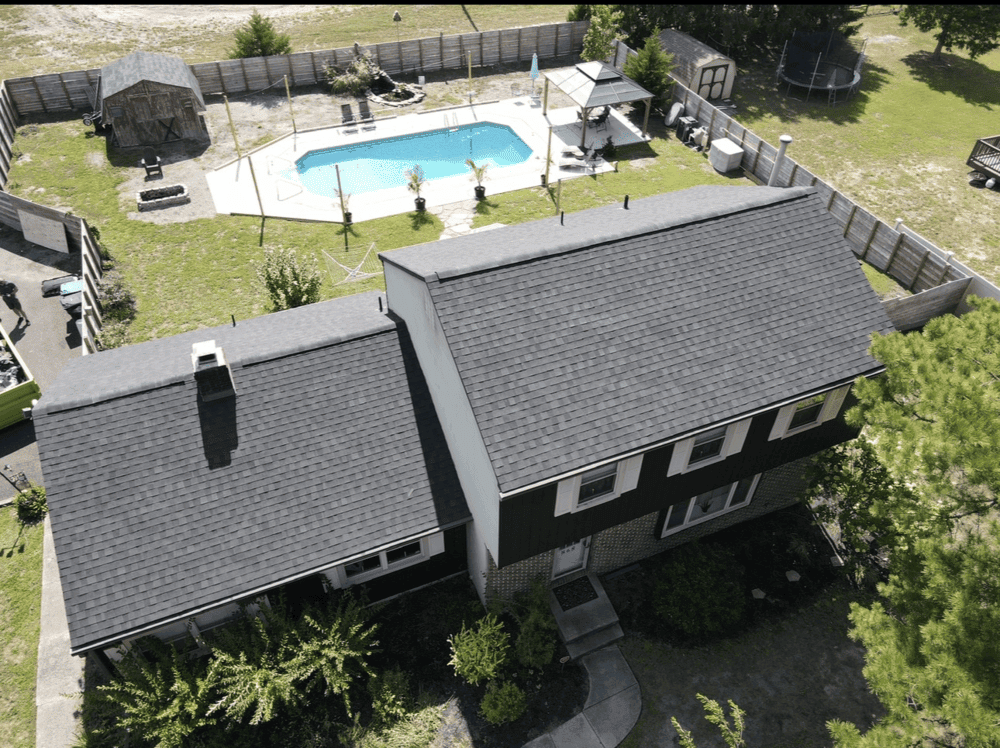
Adding a Pitched Roof Extension to a Harrisburg Home: Key Roof Replacement Considerations
Date Modified: November 10, 2026
Adding a pitched roof to an existing house requires careful planning, especially when connecting new roofing to an older structure. For homeowners in Harrisburg, PA, roof pitch, drainage, flashing, and existing shingle conditions all influence the project. Winter snow, ice buildup, heavy rain, and seasonal winds make proper roof integration particularly important.
Understanding these factors helps homeowners coordinate roof replacement with their extension plans.
Key Takeaways
- A pitched roof extension must accommodate winter snow accumulation, melting ice, and runoff at its connection with the original roof.
- Roof pitch, flashing, and shingle compatibility influence how effectively the extension integrates with the existing roofing system.
- Coordinating roof replacement with extension construction can reduce future disruptions and support consistent roofing materials.
- Homeowners should verify property-specific building requirements, construction schedules, and warranty coverage before installation.
How to Ensure a Pitched Roof Extension Integrates With Your Existing Roof
A pitched roof extension changes how the original roof carries snow loads and directs water. In the Harrisburg area, winter thaws and spring rainfall make these connections especially important to design properly.
Evaluate the Existing Roof’s Condition Before Making Connections
Before connecting a new roof to an existing roof, examine the shingles, decking, and areas where the extension will join the original structure. A professional roof inspection can help identify deteriorated materials, moisture damage, and uneven surfaces.
Repeated freezing and thawing can expose weaknesses around aging roof edges. Harrisburg homes with older roofs may also show wear along these aging edges. Identifying these conditions early helps establish a reliable starting point for the extension design.
Match the Roof Pitch to the Proposed Extension Design
Roof pitch requirements for home additions depend on structural design, applicable building codes, and roofing materials. The extension’s slope must direct rainwater and melting snow toward appropriate drainage areas.
During central Pennsylvania’s winter thaws, runoff may cross roof surfaces with different pitches. Homeowners should confirm that the proposed slope meets the asphalt shingle manufacturer’s requirements and accommodates the planned roof geometry.
Design a Secure Connection Between the New and Existing Roofs
Connecting a new roof to an existing roof requires a structural design that accounts for framing alignment, attachment methods, and load transfer. A qualified design professional should evaluate how the extension affects adjoining roof sections. Snow can accumulate unevenly where roof heights change or intersect. The design must account for these conditions using the applicable snow-load requirements for the property.
Install Appropriate Flashing at Roof Intersections
Roof flashing for pitched roof extensions protects joints where roof surfaces meet or connect with exterior walls. Installers may need step flashing, valley flashing, or other approved components depending on the design. Flashing must direct water over the appropriate underlayment and shingle layers. During winter thaw periods, these details help manage runoff near intersections where ice can restrict drainage.
Select Shingles That Complement the Existing Roof
Matching new shingles to an existing roof involves comparing color, profile, texture, and visible weathering. Seasonal sun exposure and temperature changes can alter the appearance of older shingles. Reviewing samples against the original roofing helps identify suitable combinations before installers complete the extension.
Account for Drainage Changes Around the Extension
Roof drainage considerations for home additions include gutter capacity, downspout placement, and runoff direction. A new roof plane may concentrate water in an existing valley or increase flow along a gutter section.
Spring snowmelt and summer thunderstorms can intensify these drainage demands in the Susquehanna Valley. Homeowners should review whether the existing gutter layout can accommodate the revised roof area.
Key Planning Steps for a Harrisburg Roof Replacement Project
Planning a roof extension for Pennsylvania homes requires coordination between design, construction, and roofing installation. Homeowners in the Harrisburg area should also account for property-specific approvals and seasonal installation conditions.
Determine Whether Roof Replacement Should Happen Before the Extension
Replacing the roof before adding an extension may simplify construction when the original shingles have limited remaining service life. Homeowners should compare the expected replacement timeline with their planned building schedule.
Replacing the roof first may also provide a more consistent appearance across roof surfaces exposed to the same seasonal conditions. Reviewing roof replacement considerations can help homeowners assess the roofing portion of their extension plans.
Confirm Structural Requirements and Building Approvals
Building approval requirements depend on the property’s jurisdiction, which may differ between Harrisburg and surrounding municipalities or townships. Homeowners should identify the authority responsible for permits and inspections before finalizing their plans.
Harrisburg homeowners should confirm which office handles permits for their specific address. Ask who will confirm the structural requirements for the extension. These steps help ensure the proposed extension follows the correct local approval process.
Choose Roofing Materials Suitable for Pennsylvania Weather
Owens Corning asphalt shingles offer options for residential roof replacement, but homeowners should choose components based on roof slope and exposure. In the Susquehanna Valley, winter precipitation and wind-driven summer rain make water-shedding details important.
Review manufacturer requirements for underlayment, starter shingles, and ridge components. Complex roof intersections may require additional protection under the applicable installation instructions.
Coordinate Roofing Work With the Extension Construction Schedule
Roofing crews need a properly prepared deck before installing shingles and related components. Homeowners should confirm when framing inspections, decking work, and roofing installation will occur.
Separate construction and roofing contractors must agree on access and responsibility for unfinished roof areas. Coordinating these stages helps prevent completed roofing from interfering with remaining extension work.
Review Attic Ventilation and Insulation Requirements
A pitched roof extension may create a separate attic cavity or change existing insulation boundaries. Homeowners should ask qualified professionals to evaluate ventilation pathways, air sealing, and insulation placement.
During cold central Pennsylvania winters, warm indoor air can carry moisture into unconditioned roof spaces. A coordinated design helps manage condensation risks while maintaining appropriate airflow through the completed assembly.
Plan Installation Around Seasonal Weather Conditions
Roof replacement schedules should account for freezing winter temperatures, spring rainfall, and summer thunderstorms. Cold conditions can affect asphalt shingle handling and sealing. Homeowners should ask contractors how they follow manufacturer instructions as temperatures change. They should also confirm how crews will protect exposed decking if a storm interrupts the work.
Understand Roofing Warranty Coverage Before Installation
Roofing warranties may distinguish between material defects and installation labor. Homeowners should review applicable terms, exclusions, and eligibility requirements before installation. They should also confirm which roof areas are covered under the replacement contract, especially when another contractor handles the extension’s structural construction.
Get Ahead of Roofing Complications Before Your Extension Takes Shape
Dream Home Roofers can assess your existing roof before your extension project moves forward. As an Owens Corning Platinum Preferred Contractor, the company provides asphalt roof replacement services and offers a Lifetime Labor Warranty.
An early inspection can help identify aging roofing materials, evaluate replacement needs, and coordinate installation with your construction schedule. Contact us today to arrange a free roof inspection and make informed roofing decisions before finalizing your extension plans.
Frequently Asked Questions
Can a pitched roof extension connect to an older roof?
Yes, when the existing structure and roofing materials can accommodate the proposed connection. A professional assessment can identify deterioration, moisture concerns, or compatibility issues before construction begins.
Does a pitched roof extension need the same slope as the existing roof?
No. Different slopes can work together when the design meets structural, drainage, and roofing material requirements. A qualified professional should confirm that the connection can manage rainfall and melting snow.
Should I replace my roof before building a home extension?
Harrisburg homeowners should consider replacement when the original shingles approach the end of their service life. Coordinating roof replacement with extension construction can reduce future disruption and help maintain consistent roofing materials.
How can I prepare my roof extension for Pennsylvania winters?
Review the roof pitch, snow-load requirements, flashing, drainage, insulation, and ventilation. A qualified professional can help coordinate these components to manage snow accumulation, freeze-thaw cycles, and winter moisture.
 501 NJ‑168, Turnersville, NJ 08012