
Why Laurel Homeowners Should Schedule a Roof Inspection Before Winter
Date Modified: October 15, 2026
A pre-winter roof inspection helps Laurel, MD homeowners prepare for colder weather. Winter rain, occasional snow, freezing precipitation, and strong winds can expose weaknesses in aging roofing materials. Fall offers a practical opportunity to assess your roof before these conditions arrive.
A professional inspection can uncover visible damage and clarify your roof’s condition. The findings can also help you determine whether roof replacement makes sense. Scheduling early gives you more time to review your options before winter weather affects installation schedules.
Key Takeaways
- Fall gives Laurel homeowners a chance to evaluate roofing concerns before winter rain, freezing temperatures, and occasional snowfall arrive.
- A pre-winter roof inspection checklist should cover shingles, flashing, gutters, roof edges, and accessible attic conditions.
- Laurel’s changing winter temperatures can worsen existing moisture vulnerabilities when roofing materials show signs of deterioration.
- Professional inspection findings help homeowners understand their roof’s condition and make informed decisions about potential replacement needs.
How Pre-Winter Roof Inspections Help Protect Laurel Homes
Laurel’s winter weather can shift between rainfall, freezing temperatures, and occasional snowfall. A fall inspection helps homeowners prepare for these changing conditions.
Identifies Weather-Related Roof Damage Before Winter
Fall storms and lingering weather can weaken a roof before winter arrives. Strong winds may disturb roofing materials, while heavy rain can expose existing vulnerabilities.
These effects do not always cause immediate interior damage. However, they can leave the roofing system less prepared for later storms. Recognizing signs of roof damage before winter helps homeowners understand how earlier weather events may affect their roof’s condition.
Reduces the Risk of Winter Roof Leaks
Laurel often experiences winter rainfall between freezing periods. Moisture can reach vulnerable roofing areas during rain or snowmelt. Understanding how roof inspections prevent winter leaks starts with recognizing conditions that increase the risk of water intrusion.
A professional roof inspection can reveal visible weaknesses before repeated storms expose them to additional moisture. Although inspections cannot guarantee leak prevention, early findings help homeowners consider appropriate next steps.
Prepares for Maryland’s Freeze-Thaw Weather
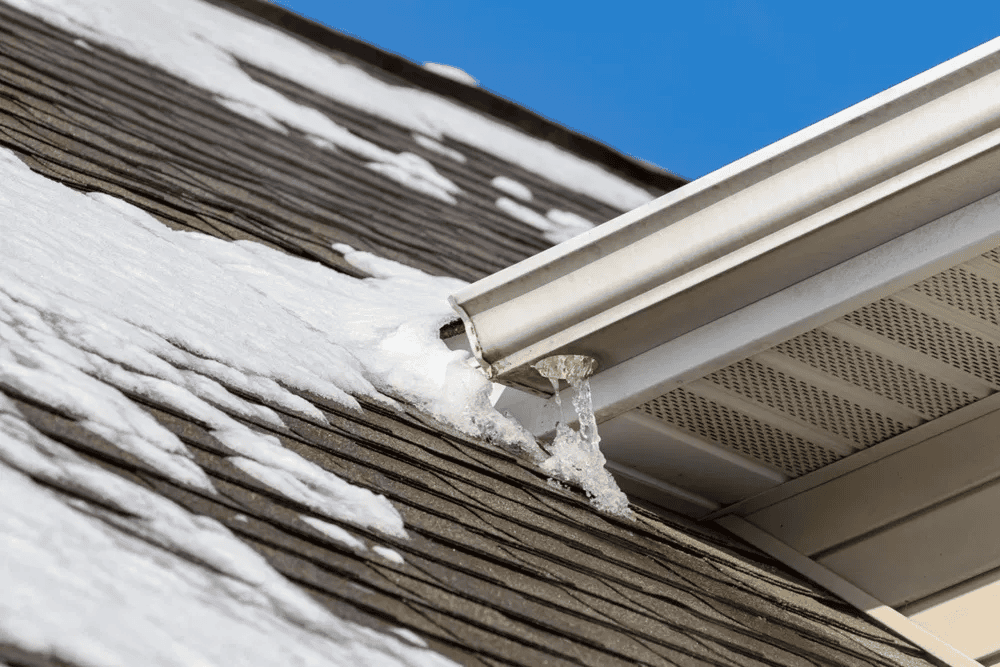
Winter temperatures in Laurel can rise above freezing during the day and fall overnight. These fluctuations allow moisture to melt and refreeze around vulnerable roofing areas. Freeze-thaw roof damage in Maryland can develop when trapped water expands inside existing cracks.
Repeated cycles may worsen deterioration and increase stress on aging materials. A fall inspection helps homeowners recognize these seasonal risks before colder weather becomes more frequent.
Allows More Time for Roof Replacement Planning
Fall offers more scheduling flexibility before winter storms and freezing temperatures complicate exterior work. Homeowners researching the best time to inspect their roof before winter can begin with an early fall appointment.
This timing allows room for contractor availability, project estimates, and installation scheduling. Snow, ice, and unsafe roof conditions may delay planned work. Starting earlier helps homeowners avoid making scheduling decisions during severe weather.
Supports Long-Term Roof Performance
Laurel roofs experience summer heat, thunderstorms, autumn rainfall, and fluctuating winter temperatures. Each season places different demands on the roofing system. Winter roof maintenance for Maryland homes includes reviewing past inspection findings and monitoring changes in roof performance.
Tracking recurring moisture concerns or weather-related wear helps homeowners understand how their roof responds over time. This seasonal perspective provides useful context beyond a single inspection.
What to Prioritize During a Fall Roof Inspection
A pre-winter roof inspection checklist should address components vulnerable to moisture and temperature changes. A roof flashing and shingle inspection is a strong starting point.
Examine Asphalt Shingles for Signs of Wear
Laurel’s summer thunderstorms and winter temperature changes can accelerate wear on aging asphalt shingles. Inspectors should check for curling edges, cracks, missing sections, and significant granule loss. They should also note whether wind exposure has affected particular roof slopes.
Inspectors can document visible deterioration and explain whether widespread wear suggests declining roof performance. These findings help homeowners understand how well their shingles may withstand winter rain and snowmelt.
Inspect Flashing Around Roof Openings
Laurel’s winter rain and occasional snowmelt can expose gaps around chimneys, vents, skylights, and adjoining walls. Inspectors should check flashing for corrosion, displaced sections, deteriorated sealant, and visible openings.
Roof valleys also deserve attention because they carry concentrated runoff during wet weather. These checks focus on water-sensitive connections rather than general shingle wear. Identifying compromised flashing helps homeowners understand where moisture could enter during repeated winter precipitation.
Check Gutters and Downspouts Before Freezing Weather
Autumn leaves can accumulate in gutters and restrict drainage before winter arrives. A pre-freeze gutter inspection should identify debris, loose connections, and damaged sections.
Inspectors should also confirm that downspouts direct runoff away from the foundation. Blocked gutters can hold water that freezes during Laurel’s overnight temperature drops. Homeowners can also learn how gutter guards may help reduce debris buildup, although regular gutter checks remain important.
Review Attic Ventilation and Moisture Conditions
Accessible attic spaces can reveal moisture concerns beneath the roofing system. Inspectors may look for condensation, water stains, damp insulation, and blocked ventilation openings. They should also evaluate conditions that contribute to uneven attic temperatures.
During Laurel’s colder months, attic heat can influence snowmelt patterns when snow accumulates. These observations help professionals identify potential ventilation concerns that exterior inspections may not reveal.
Assess Roof Edges, Fascia, and Visible Irregularities
Inspectors should examine accessible eaves, rake edges, and fascia boards for staining, loose materials, and deterioration. Winter rain and wind-driven precipitation can expose weaknesses along these roof boundaries.
Inspectors should also check the roofline for unusual sagging or visible irregularities. Such conditions may require further evaluation to determine their cause. Reviewing these features helps identify concerns beyond shingles, flashing, and drainage components.
Review Inspection Findings and Replacement Options
A professional inspection should distinguish cosmetic wear from conditions that may affect roof performance. Photographs can help homeowners understand where and how extensive visible deterioration is. Inspectors should explain how material age and overall condition influence their recommendations.
When replacement makes sense, homeowners can explore roof replacement options and compare Owens Corning asphalt shingles, installation requirements, and available warranties. This review focuses on evaluating roofing options, not scheduling the project.
Protect Your Laurel Home Before Winter With a Professional Roof Inspection
Dream Home Roofers helps Laurel homeowners prepare for winter through professional roof inspections, asphalt shingle roof replacement, and gutter services. As an Owens Corning Platinum Preferred Contractor, the company brings certified installation expertise and offers a Lifetime Labor Warranty.
Fall provides time to evaluate weather-related wear and consider replacement before freezing conditions complicate roofing schedules. Contact us today to request your free roof inspection and plan your next steps before winter arrives.
Frequently Asked Questions
When should Laurel homeowners schedule a roof inspection before winter?
Early to mid-fall offers a practical inspection window in Laurel. Homeowners can assess their roof’s condition and consider replacement options before winter precipitation, freezing temperatures, and shorter daylight hours make scheduling harder.
What are common signs of roof damage before winter?
Common signs include missing shingles, curling edges, significant granule loss, and deteriorated flashing. Interior water stains may also indicate moisture intrusion. A professional inspection can help determine the extent of visible roofing concerns.
Can a roof inspection help prevent leaks during winter?
An inspection can identify visible weaknesses that increase the risk of water intrusion. Although it cannot guarantee leak prevention, the findings help homeowners understand potential vulnerabilities and evaluate whether roof replacement makes sense.
Should gutters be inspected at the same time as the roof?
Yes. Fall leaves can restrict gutter drainage before freezing weather arrives. Inspectors should check for debris, loose connections, and damaged sections to help homeowners understand whether their gutter system needs attention.
 501 NJ‑168, Turnersville, NJ 08012