
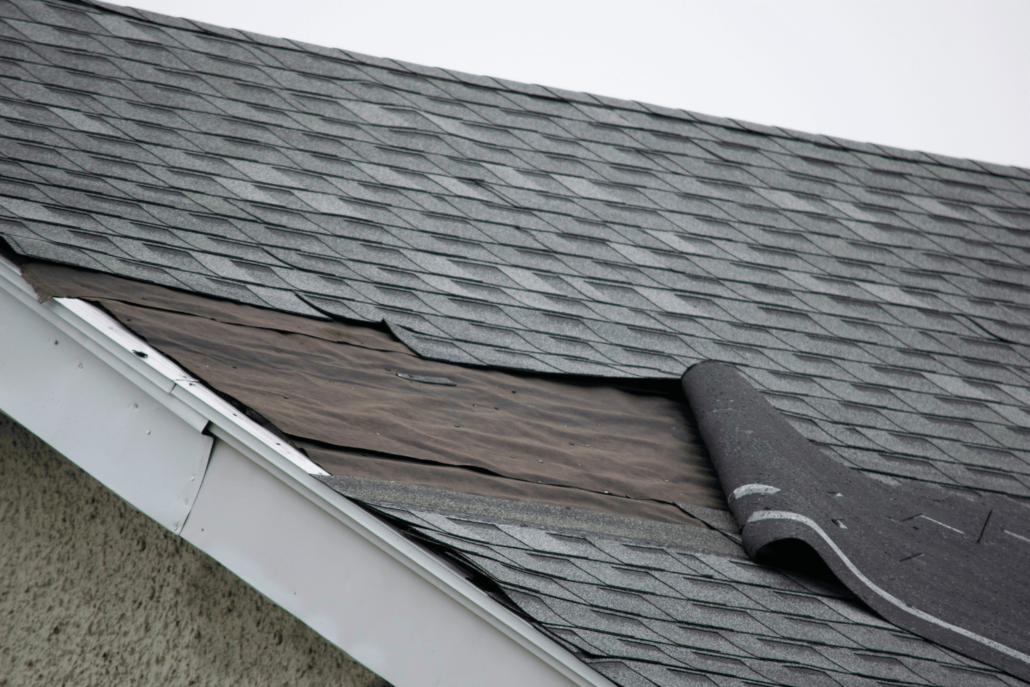
Storm-Proof Roofing Strategies to Stop Water Damage After Wind Uplift
Strong windstorms in Laurel, MD often arrive with heavy rain and sudden pressure changes that lift shingles and expose vulnerable areas of a roof. When wind uplift occurs, even small openings can allow water intrusion that spreads into attics, walls, ceilings, and wall cavities. Many homeowners do not notice this roof damage right away, especially when missing shingles or granule loss are not visible from the ground, which increases the risk of mold growth, moisture buildup, and costly interior repairs.
Understanding how storm-proof roofing strategies work helps protect your home and reduce water damage before the next rainfall.
Key Takeaways
- The risk of water damage after wind uplift in Laurel is closely tied to installation quality, roofing materials, and how well shingles resist strong winds and heavy rain.
- Missing or damaged shingles, loose flashing, and damaged gutters are common storm damage issues that allow water intrusion into roofing systems.
- Professional roof inspections after high winds help identify visible damage and hidden issues before they lead to expensive repairs or insurance claims.
- Timely repairs and roof replacements using high-quality materials play an essential role in protecting homeowners and keeping the home safe year-round.
Storm-Proof Roofing Tactics that Block Water after Wind Uplift
These strategies focus on limiting water intrusion at the roof level before moisture reaches insulation, walls, or ceilings.
Wind-Resistant Shingle Installation
Professional installation methods are critical for asphalt shingles in Laurel, MD, because strong winds can weaken the adhesive strip, causing shingles to lift or go missing.
When installers fail to seal shingles correctly, water can travel beneath the surface, making complete roof replacement an essential consideration after severe wind uplift and storm damage.
Secure Roofing Materials and Components
A roofing system functions as a complete unit rather than a collection of separate parts. High-quality materials, including underlayment, flashing, ridge vents, and fasteners, must work together to prevent water buildup and reduce further damage after high winds impact the roof.
Proper Flashing Around Roof Penetrations
Flashing around chimneys, vents, and skylights plays a vital role in preventing water intrusion after storms. Damaged flashing can allow moisture to reach the roof deck and siding, especially during heavy rain driven by strong winds, which increases the risk of leaks and interior water stains.
Ridge Vents and Proper Ventilation
Ridge vents and balanced ventilation help regulate attic pressure and moisture levels during storms. Proper ventilation limits uplift forces on shingles and reduces moisture that can lead to mold growth, insulation damage, and long-term roofing problems.
Gutter and Drainage System Performance
Gutters and downspouts that collect debris or are not working correctly can cause water to back up along the roof edges. After a recent storm, missing or damaged gutters and protective systems like gutter guards increase the likelihood of water intrusion, damaged siding, and moisture near windows and foundations.
Planning Inspections and Repairs After Laurel Windstorms
A clear inspection and repair plan helps homeowners address roofing needs quickly and avoid expensive repairs after wind damage.
Scheduling a Professional Roof Inspection
Professional roof inspections allow a trusted roofing company to identify missing shingles, damaged shingles, granule loss, and roof repair needs that may not be visible from the ground. These inspections play a vital role in preventing water damage after wind uplift in Laurel.
Documenting Visible and Hidden Storm Damage
Wind damage is not always easy to spot, especially when leaks appear later as water stains on ceilings or walls. Documenting visible damage while relying on a professional inspection helps homeowners support insurance claims and prevent minor issues from turning into extensive damage.
Understanding Repair Versus Replacement Decisions
Some roofing systems can be addressed with minor repairs, while others require roof replacements to restore curb appeal and protect the home. Clear communication about roofing needs, material condition, and long-term performance helps homeowners make informed decisions without hidden fees.
Coordinating Insurance Claims With Accurate Information
Insurance claims often follow major storms with high winds. Clear documentation, professional inspection reports, and honest communication help ensure claims reflect the full scope of roof damage and reduce delays before repairs begin.
Have Your Roof Checked before Wind Damage Turns into Interior Leaks
Dream Home Roofers works with homeowners to identify wind-related roof issues before they cause water damage, moisture problems, or further damage during the next rainfall. After strong winds, a professional inspection helps determine whether shingles, flashing, or roofing materials have shifted and may allow water intrusion.
If you want clear answers about your roof’s condition, contact us to schedule an inspection and understand what your roof may need moving forward.
Frequently Asked Questions
How can wind uplift lead to water damage in Laurel?
Wind uplift can loosen or remove shingles, allowing water to enter during heavy rain and storms. Once water penetrates roofing systems, moisture can spread into insulation, ceilings, and walls, increasing the risk of mold growth and interior damage.
What are common signs of roof damage after a windstorm?
Common signs include missing shingles, damaged flashing, granule loss, leaks, water stains on ceilings, and damaged gutters. Some roof damage may not be visible without a professional inspection.
Why are professional roof inspections necessary after high winds?
Professional inspections help identify roof damage, water intrusion points, and roofing repair needs before further damage occurs. Early inspections also support insurance claims and timely repairs.
When should a homeowner consider a roof replacement instead of repairs?
A roof replacement may be necessary when storm damage affects large areas of the roof or when roofing materials can no longer protect the home. A professional roofing company can evaluate the roof and recommend the best solution to keep the home safe.
 501 NJ‑168, Turnersville, NJ 08012