
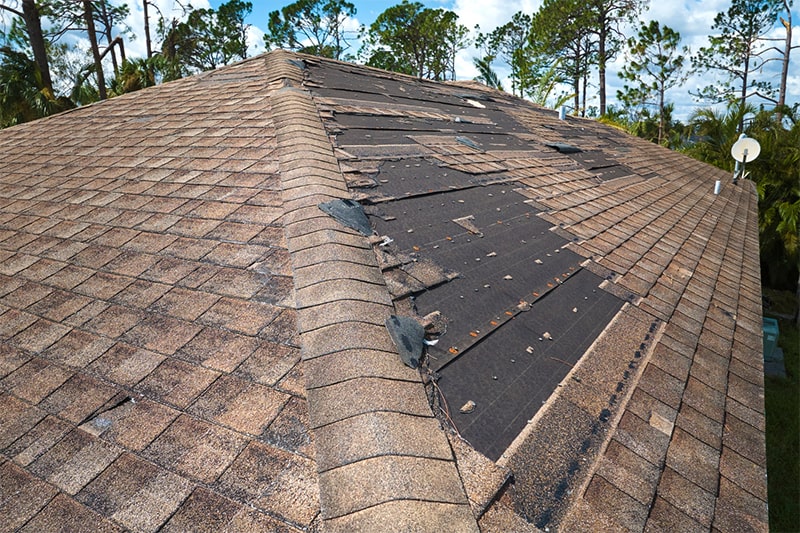
What Causes Roof Granule Loss in Delaware Valley and When It Signals a Serious Problem
Date Modified: February 26, 2026
Roof granule loss often starts quietly, with many homeowners in the Delaware Valley and the Mid-Atlantic first noticing a few granules in gutters after heavy rain. While minor granule loss is normal for asphalt shingles, excessive or uneven granule shedding can expose the asphalt layer, reduce shingle performance, and increase the risk of roof leaks.
Knowing when granule loss is expected versus when it signals a larger issue helps homeowners protect their roof’s lifespan and plan next steps with confidence.
Key Takeaways
- Granule loss is normal in small amounts, especially on older roofs, but excessive granule loss signals a higher risk.
- Severe weather, foot traffic, and poor attic ventilation accelerate premature granule loss.
- Bald spots and exposed asphalt reduce shingle performance and shorten the roof’s lifespan.
- Regular roof inspections help homeowners determine when granule loss becomes a serious issue.
Common Causes of Roof Granule Loss Homeowners Should Know
Granule loss happens for different reasons depending on roof age, installation quality, and environmental exposure. In the Delaware Valley and the Mid-Atlantic, several causes appear more frequently due to regional weather patterns and housing styles.
Understanding each factor helps explain why shingles lose granules and when concern is justified, especially for homeowners weighing maintenance versus long-term roof replacement decisions.
Natural Shingle Aging and Normal Wear
Asphalt shingles are designed to shed a few granules as they age, particularly during the first year after a new roof installation and again as the roof approaches the end of its lifespan. UV rays gradually dry out the asphalt layer, loosening protective granules over time.
In Mid-Atlantic climates, this normal wear is often observed during a professional roof inspection.
Severe Weather and Storm Exposure
High winds, heavy rain, hail, and snowstorms, common across the Mid-Atlantic, can dislodge granules from the shingle surface.
After storms, homeowners often notice granules in gutters or around downspouts. This runoff highlights why gutter guards can help manage loose granules while maintaining proper drainage during severe weather.
Foot Traffic and Improper Roof Access
Foot traffic places concentrated pressure on shingles, especially during warm months when the asphalt coating softens. Granules loosen most often around vents, chimneys, and roof edges.
This pattern is frequently seen on homes throughout Turnersville, NJ, where seasonal exterior projects increase rooftop access.
Poor Attic Ventilation and Heat Buildup
Poor attic ventilation traps heat and moisture beneath the roof deck, baking shingles from below and accelerating granule shedding. Over time, this leads to uneven shingle aging and premature granule loss.
Homes in West Caldwell often experience this issue due to older ventilation designs.
Manufacturing Defects or Installation Issues
Even high-quality roofing materials can experience premature granule shedding if manufacturing defects or improper installation occur. Shingles installed outside recommended temperature ranges may not seal correctly.
In these cases, homeowners sometimes evaluate other exterior components, such as windows, to confirm overall installation quality.
How to Judge Severity and Next Steps for Mid-Atlantic Homes
Not all granule loss requires immediate action.
Understanding how much granule loss is present, where it appears, and how it affects shingle performance helps homeowners avoid unnecessary worry while preventing further damage.
Distinguishing Minor Granule Loss From Significant Damage
A few granules in gutters after heavy rain usually indicate normal wear.
Excessive granules, bald spots, or exposed asphalt signal significant granule loss that reduces water-shedding ability and UV protection.
Identifying Bald Spots and Exposed Asphalt
Bald spots expose the asphalt coating beneath shingle granules.
Without this protective layer, shingles deteriorate faster, increasing the risk of roof leaks and surrounding shingle damage.
Understanding How Roof Age Affects Decision Making
Roof age strongly influences next steps. Older roofs with excessive granule loss often require replacement, while newer roofs may point to ventilation or installation-related issues.
Knowing When a Professional Roof Inspection Is Needed
Sudden granule loss after storms or widespread shedding across multiple roof sections warrants a professional inspection. Early evaluation helps prevent costly repairs later.
Get Professional Guidance For Granule Loss Concerns
If you notice granules in gutters, bald spots, or exposed asphalt, getting clear answers matters. Dream Home Roofers provides certified roof inspections across the Delaware Valley and the Mid-Atlantic, focusing on long-term roof performance rather than temporary fixes.
Contact us to schedule a free roof inspection.
Frequently Asked Questions
Is roof granule loss always a sign of a problem?
Granule loss is normal in small amounts. It becomes concerning when excessive granules, bald spots, or exposed asphalt appear.
How much granule loss is considered too much?
Large accumulations of granules in gutters or visible bare areas on shingles indicate excessive granule loss.
Can granule loss be repaired without replacing the roof?
Minor granule loss cannot be reversed, but addressing ventilation issues may slow further loss. Advanced damage often requires replacement.
How often should Mid-Atlantic homeowners inspect their roofs?
Roof inspections are recommended annually and after major storms to monitor granule loss and shingle condition.
 501 NJ‑168, Turnersville, NJ 08012