
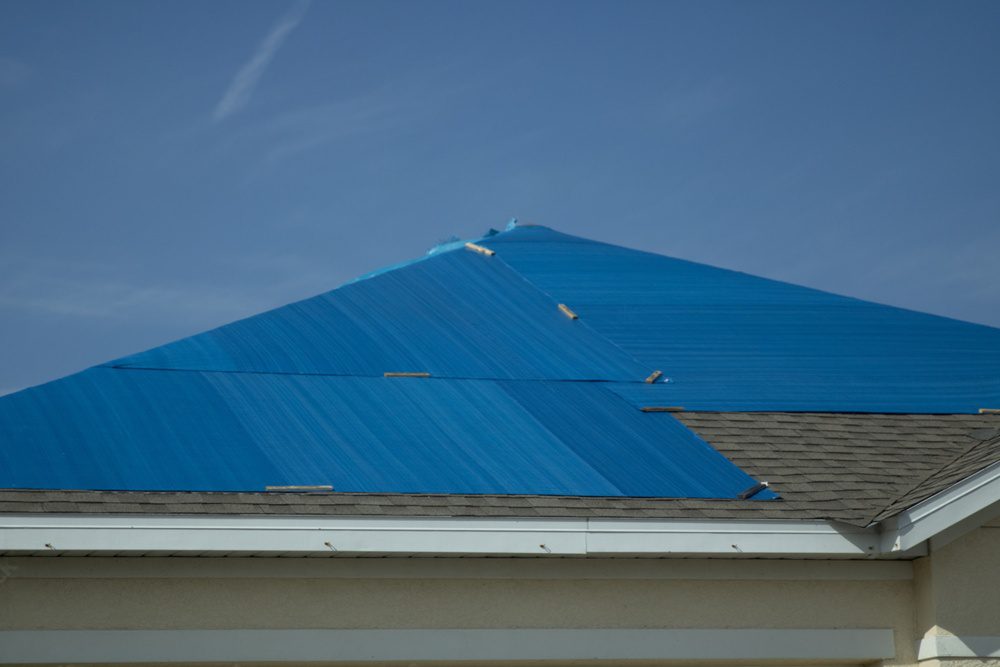
How Emergency Tarping Protects Your Delaware Valley Home After Storm Damage
Date Modified: February 16, 2026
Storms move quickly through the Delaware Valley. High winds, heavy rain, and falling debris can leave homeowners dealing with sudden roof damage and active leaks. Emergency roof tarping provides immediate protection when severe weather strikes and your roof can no longer keep water out.
This temporary solution helps limit further damage, protect interior spaces, reduce water intrusion, and give homeowners time to plan permanent repairs without added stress.
Key Takeaways
- Emergency roof tarping creates a temporary barrier that blocks rain and helps prevent further roof damage after a storm.
- Professional roof tarping protects roof decking, insulation, and interior areas from costly secondary damage.
- Acting quickly after sudden storm damage can help reduce repair costs and support smoother insurance claims.
- Emergency tarping is a short-term, reliable temporary solution that buys time before roof replacement or other permanent repairs.
How Emergency Tarping Shields Delaware Valley Homes After Storms
Severe weather in the Delaware Valley often causes sudden and unpredictable roof problems, especially in communities such as Turnersville and West Caldwell. Emergency roof tarping is designed to stabilize a storm-damaged roof and protect the home until permanent repairs can be completed.
Immediate Protection Against Water Intrusion
Emergency roof tarping creates a secure temporary roof cover that blocks rain, snow, and debris from entering the home. By sealing exposed areas caused by missing shingles, broken shingles, or damaged roofing materials, tarps help prevent roof leaks, ruined drywall, mold growth, and damage to personal belongings while severe weather conditions continue.
This temporary barrier also supports overall roof protection and helps protect gutter systems, including homes that rely on added protection from gutter guards.
Reduced Risk of Structural Damage
When water reaches the roof decking, it can weaken the structure and lead to further deterioration and costly repairs. Professional emergency tarping limits prolonged moisture exposure, helping preserve roof decking, framing, and structural components until a permanent fix is scheduled.
This step is especially important for Delaware Valley homes that may later require a full roof replacement due to major storm damage.
Protection From Wind-Driven Debris and UV Exposure
High winds can lift loose materials and worsen existing roof damage. Properly installed emergency tarps are secured with roofing nails and designed to prevent wind from lifting exposed edges.
Heavy-duty tarps also shield vulnerable areas from UV exposure, which can break down roofing materials and nearby exterior features such as siding and windows.
Safer Alternative to DIY Tarping
Storm-damaged roofs are often unstable, especially on steep roofs or homes with structural damage.
Professional tarping crews use proper safety equipment and follow proven tarp installation methods, ensuring secure tarps remain in place during additional severe weather events.
What Homeowners Should Do Next After Emergency Tarping
Once temporary protection is in place, the next steps focus on long-term roof protection, insurance coordination, and planning permanent repairs.
Schedule a Professional Roof Inspection
After emergency tarping, a full roof inspection helps identify the extent of storm damage and roof issues, including hidden damage beneath the surface.
From a professional roofing provider’s perspective, this step is essential for determining whether roof repair or roof replacement is the safest long-term option.
Document Damage for Insurance Claims
Emergency tarping supports insurance coverage by showing that immediate action was taken to prevent further damage.
Homeowners should photograph the damaged roof, interior damage, and tarp installation before meeting with insurance adjusters or an insurance company to support accurate insurance claims.
Plan for Permanent Repairs
Roof tarping is a temporary roof solution, not a permanent fix.
Once conditions allow, homeowners should review repair costs, roofing materials, and timelines for permanent repairs. Acting quickly helps avoid further roof damage, electrical hazards, and interior damage caused by lingering moisture.
Coordinate Safely With Other Services
Storm damage can affect more than just the roof. If electrical systems, electrical hazards, or nearby utility lines are involved, coordination with the utility company may be necessary before roof repair work begins. A professional roofing crew can help homeowners navigate safety concerns while planning the next phase.
Get Reliable Emergency Roof Protection
When storm damage leaves your home exposed, fast action matters. Dream Home Roofers provides professional emergency roof tarping services designed to protect your home, limit further deterioration, and reduce the risk of costly repairs across the Delaware Valley.
If you need immediate protection or guidance on next steps after a major storm, reach out today to schedule a free roof inspection.
Frequently Asked Questions
How long does emergency roof tarping last?
Emergency roof tarping is designed as temporary protection. In most cases, a properly installed emergency roof tarp can protect a damaged roof for several weeks, depending on weather conditions, until permanent repairs or roof replacement can be completed.
Does emergency roof tarping prevent all damage?
Emergency tarping significantly reduces the risk of further damage, water intrusion, and interior damage, but it cannot reverse existing roof damage. Its purpose is to provide immediate protection and a temporary barrier until a permanent fix is in place.
What affects emergency roof tarping cost?
Emergency roof tarping cost depends on factors such as roof size, slope, extent of storm damage, accessibility, and the need for heavy-duty tarps or additional safety equipment. Steep roofs or fire damage may require extra precautions.
Will insurance cover emergency tarping?
Many insurance companies consider emergency tarping a necessary step after storm damage and may include it as part of insurance coverage. Homeowners should confirm details with their insurance company and keep documentation for insurance adjusters.
 501 NJ‑168, Turnersville, NJ 08012