
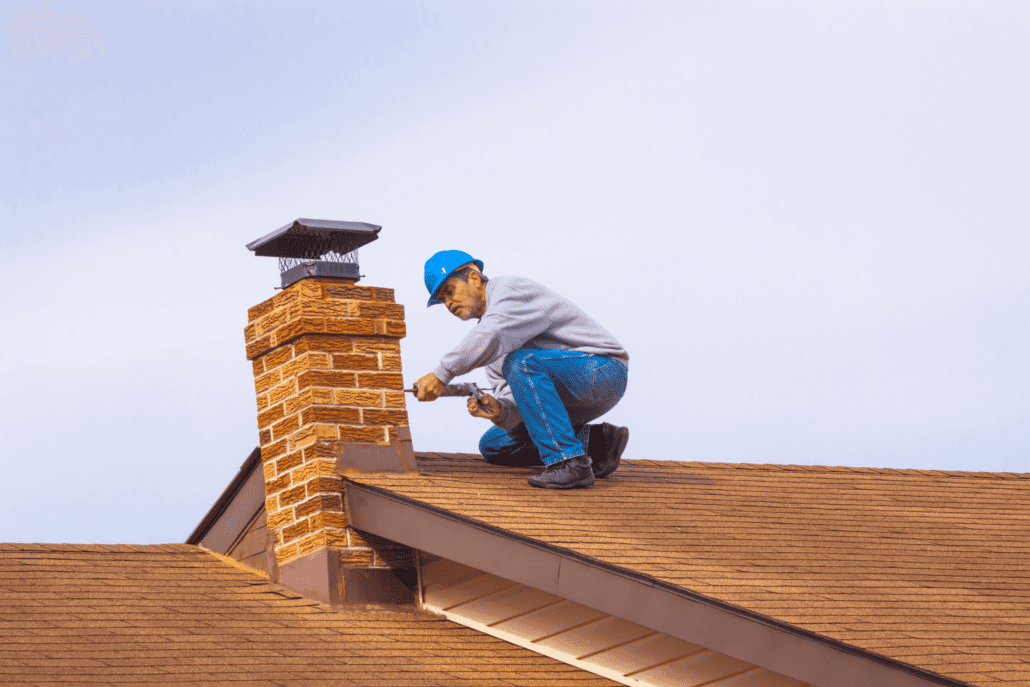
How Summer Storms Expose Chimney Flashing Problems on West Caldwell Homes
Date Modified: June 5, 2026
Summer storms in West Caldwell, NJ, bring heavy rain, strong winds, and sudden temperature shifts. These conditions often expose hidden vulnerabilities around chimney flashing, especially on older roofs or systems nearing replacement. When flashing fails, even small gaps allow water intrusion near the chimney, leading to interior damage that develops quickly after storms.
Key Takeaways
- Summer storm roof damage in West Caldwell often exposes weak or aging chimney flashing before other roofing components fail.
- A chimney leak after heavy rain usually indicates compromised flashing rather than an issue with the chimney structure itself.
- Early signs of chimney flashing failure often appear inside the home before visible roof damage develops.
- Preventing chimney leaks during storms starts with timely inspections and attention to areas exposed to heavy water runoff.
Warning Signs of Flash Damage After West Caldwell Storms
Storm activity in West Caldwell often exposes weak points around chimney areas. These signs typically appear soon after heavy rainfall. Homeowners often notice these issues more clearly after consecutive summer storms.
Water Stains Forming Near the Chimney Interior
Water stains on ceilings or walls near the chimney indicate that moisture has already reached interior surfaces. In West Caldwell homes, this often signals the need for a closer look at the overall roofing system and, in some cases, may indicate a larger roof replacement if underlying materials have been compromised over time.
Damp Odors or Moisture in the Attic Space
A persistent damp smell in the attic points to trapped moisture that has not yet reached visible living areas. This condition often develops when water collects in the insulation or framing near the chimney, without immediately causing surface damage.
Visible Rust or Separation in Metal Flashing
Rust, lifted edges, or gaps in metal flashing reflect material breakdown at the chimney connection point. These visible defects reduce the flashing’s ability to direct water away from the roof structure during storms.
Dripping Water During or Shortly After Rainfall
Active dripping during or immediately after rainfall signals an active entry point in the roofing system. This usually occurs when flashing seams no longer control water flow, allowing it to travel directly into interior spaces.
Shingle Displacement Around the Chimney Base
High winds can shift or loosen shingles around the chimney, exposing underlying layers. This creates a pathway for water to reach the flashing system and compromises the roof’s ability to shed water in that area.
When to Inspect and What to Prioritize Next
Timing plays a critical role in identifying flashing issues early. Knowing what to check helps limit long-term damage. Acting quickly after storms reduces the risk of more costly repairs.
Inspect Immediately After Heavy Storm Activity
After a major storm in West Caldwell, perform a visual inspection as soon as conditions are safe. Scheduling a detailed roof inspection early helps identify hidden chimney flashing issues and prevents water from spreading into insulation, drywall, and structural components.
Focus on Chimney Base and Roof Transitions
The area where the chimney meets the roof remains the most vulnerable point for leaks. Flashing systems depend on tight seals and proper layering, so even small disruptions allow water intrusion near the chimney during repeated storms.
Prioritize Signs Inside the Home First
Interior signs often appear before exterior damage becomes visible. Ceiling discoloration, peeling paint, or minor drips near the chimney require prompt attention because they signal active flashing failure rather than surface-level moisture.
Monitor Recurring Issues After Multiple Storms
Leaks that appear after each storm usually indicate a worsening problem. Repeated exposure to rain and wind in West Caldwell can enlarge small flashing gaps, making chimney flashing repair necessary.
Evaluate Preventative Measures Before the Next Storm Cycle
Preventing chimney leaks during storms requires addressing vulnerabilities before the next weather event. This may include replacing worn flashing components or improving water control around the roofline with solutions such as gutter guards to manage runoff better and reduce moisture exposure near the chimney.
Schedule a Professional Roof Inspection Before the Next West Caldwell Storm Hits
Dream Home Roofers understands how quickly chimney flashing issues escalate after a summer storm in West Caldwell. Addressing early warning signs now helps prevent more extensive damage to the roof and interior before the next round of heavy rain.
If you notice signs of water intrusion near the chimney or suspect flashing failure, schedule a professional inspection to identify the source and protect your home with confidence. Contact us to get started.
Frequently Asked Questions
What causes a chimney leak after heavy rain?
A chimney leak after heavy rain usually results from damaged or poorly sealed flashing. Water enters through gaps where the chimney meets the roof, especially after storms that loosen materials or wear down sealants.
How can I tell if flashing around my chimney is failing?
Signs of chimney flashing failure include water stains, attic moisture, rusted flashing, and leaks during rainfall. These issues often appear quickly after storms and require attention before the damage spreads.
Is chimney flashing repair necessary after every storm?
Not every storm requires repairs, but recurring leaks or visible damage need evaluation. If problems appear after multiple storms, chimney flashing repair in West Caldwell may be necessary to restore proper sealing.
What is the best way to prevent chimney leaks during storms?
Preventing chimney leaks during storms involves routine inspections, maintaining the integrity of the flashing, and replacing worn materials. Addressing small issues early reduces the risk of water intrusion and protects the structure over time.
 501 NJ‑168, Turnersville, NJ 08012