
Hidden Roof Failure Signs Many Glen Allen Homeowners Miss
Date Modified: May 31, 2026
Roof damage often develops slowly before homeowners notice visible leaks or interior staining. In Glen Allen, VA, changing temperatures, heavy rainfall, humidity, and seasonal storm activity place constant pressure on aging roofing systems throughout the year. Many roofing issues begin beneath shingles or inside attic spaces where trapped moisture remains hidden for long periods.
Recognizing early signs of roof deterioration may help homeowners avoid structural damage, insulation problems, and costly replacement delays later.
Key Takeaways
- Roof deterioration signs in Glen Allen often begin with hidden moisture damage beneath aging shingles and poorly ventilated attic spaces.
- Shingle curling and cracking may indicate long-term material wear caused by Virginia’s changing temperatures, humidity, and seasonal storm activity.
- Attic moisture roof problems can weaken roof decking materials long before visible ceiling stains or interior leaks appear inside the home.
- A residential roof inspection in Glen Allen may help homeowners replace roof systems before hidden damage leads to major structural problems.
Roof Replacement Warning Signs in Glen Allen’s Humid Climate
Homes throughout Glen Allen experience steady exposure to humidity, intense summer heat, severe thunderstorms, and shifting seasonal temperatures, which gradually weaken roofing materials over time. These weather patterns often create hidden damage beneath shingles long before homeowners notice visible leaks, ceiling stains, or structural concerns inside the property.
Shingle Curling Along Roof Edges
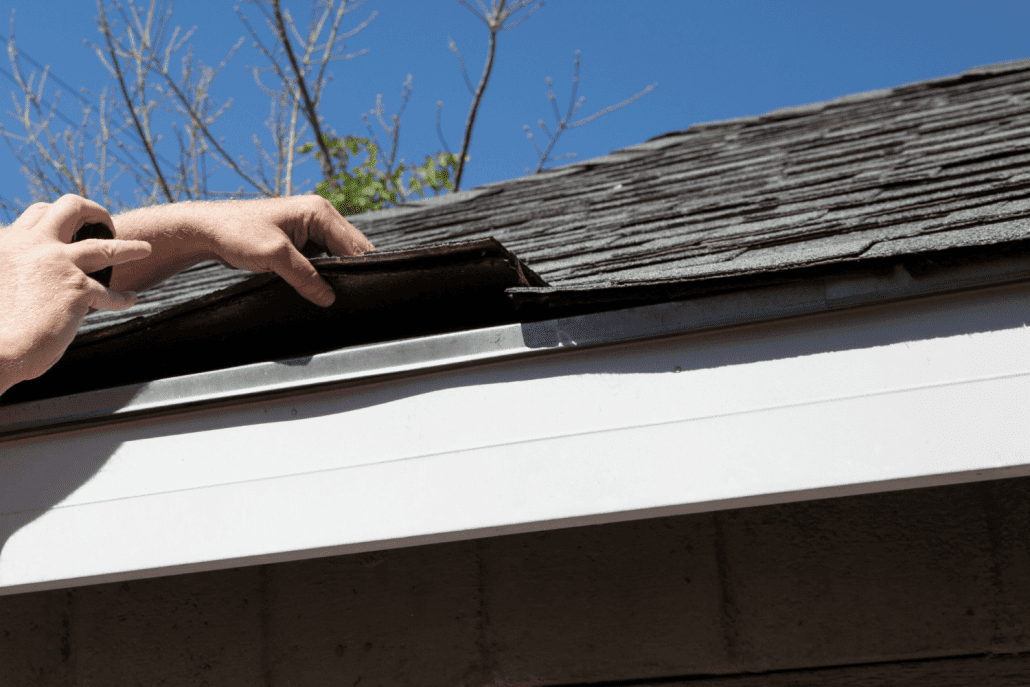
Shingle curling and cracking often develop after years of heat exposure, trapped moisture, and repeated seasonal weather changes, affecting aging asphalt roofing systems. In Glen Allen, prolonged humidity and intense summer sunlight can weaken protective granules, reducing a shingle’s ability to resist moisture effectively.
Curled shingles may eventually allow wind-driven rain to penetrate beneath the roof surface, increasing the risk of water intrusion and necessitating a full roof replacement.
Dark Streaks Near Roof Valleys
Dark streaks near roof valleys usually form when shaded roof sections remain damp after rainstorms and in humid weather. Many homeowners assume these stains only affect appearance, but they can also indicate trapped moisture and gradual shingle deterioration beneath the surface.
Roofing professionals often inspect these areas closely because excess moisture around valleys can accelerate algae growth and weaken nearby materials. Over time, this may contribute to visible signs of roof deterioration.
Soft Areas Beneath Asphalt Shingles
Soft or spongy sections beneath asphalt shingles can signal hidden roof-decking damage caused by long-term moisture exposure beneath aging roofing materials. Water intrusion may spread beneath worn shingles for months before homeowners notice visible ceiling stains or indoor leaks.
During a roof inspection, contractors often discover weakened decking near flashing, roof valleys, or roof sections where stormwater tends to collect after heavy rainfall.
Granule Loss Around Downspouts
Asphalt shingle granules protect roofing materials from ultraviolet exposure, moisture penetration, and long-term weather-related wear. Large amounts of granules collecting near gutters or downspouts may suggest that the roof system has begun to lose its protective outer layer. This issue commonly affects homes in Glen Allen because repeated storms, humidity, strong winds, and prolonged summer heat place continuous stress on asphalt roofing materials.
When Hidden Roof Damage Signals It’s Time to Act
Hidden roofing damage often spreads beneath the surface before visible warning signs appear inside the home. Identifying these problems early may help homeowners avoid costly structural repairs, insulation damage, and widespread moisture intrusion throughout the property.
Persistent Attic Humidity After Rainstorms
Attic moisture roof problems often begin when humid air becomes trapped beneath aging roofing materials and poorly ventilated attic spaces after periods of heavy rainfall. Small openings around worn shingles or flashing components can allow moisture to build gradually without causing immediate interior water stains. Over time, excess attic humidity may damage insulation, reduce energy efficiency, and weaken nearby framing materials throughout the home.
Interior Ceiling Discoloration Near Exterior Walls
Subtle ceiling discoloration near exterior walls or room corners may indicate slow-moving roof leaks traveling through insulation and structural materials before becoming visible indoors. Water intrusion does not always appear directly beneath damaged shingles because moisture can travel along rafters to different sections of the attic.
During inspections, roofing professionals often trace these stains back to deteriorated flashing, compromised underlayment, or hidden moisture entry points near roof penetrations.
Loose Flashing Around Roof Penetrations
Roof penetrations surrounding chimneys, skylights, and ventilation systems remain vulnerable to moisture intrusion during severe weather and seasonal storms. Hail and wind can damage roofs and may gradually loosen flashing materials, creating narrow openings where rainwater can enter beneath surrounding shingles.
Even minor flashing separation can expose nearby decking and underlayment materials to repeated moisture exposure. Over time, this can lead to hidden roof deterioration and drainage issues. Properly installed gutter guards may help reduce these risks.
Sudden Increases in Cooling Costs
Unexpected increases in cooling expenses sometimes indicate hidden roofing ventilation problems or insulation damage caused by long-term moisture exposure inside attic spaces. Warm air may become trapped when ventilation systems lose proper airflow due to aging roofing materials or hidden structural deterioration.
In Virginia’s humid climate, poor attic ventilation and trapped moisture can shorten a roof’s lifespan. Changing weather conditions place constant stress on asphalt roofing systems throughout the year.
Stop Small Roofing Problems Before Glen Allen Storms Make Them Worse
Dream Home Roofers provides asphalt roof replacement solutions designed for homes in Virginia, where humidity, heavy rain, and seasonal storms frequently cause hidden roofing damage. Homeowners who notice shingle curling, attic moisture, granule loss, or roof decking damage should address these issues before water spreads deeper into the home.
A professional inspection can identify hidden deterioration early. It may also help reduce the risk of larger replacement costs later. Homeowners concerned about aging roofing materials can contact us today.
Frequently Asked Questions
What are the most common roof deterioration signs in Glen Allen homes?
Common signs of roof deterioration include curling shingles, granule loss, attic moisture, soft decking areas, and dark streaking near valleys. Glen Allen’s humid climate and seasonal storms often accelerate roof aging and hidden moisture-related damage beneath asphalt shingles.
How does Virginia’s climate affect roof lifespan?
Virginia’s climate exposes roofs to humidity, heat, heavy rainfall, and seasonal storms. These conditions may shorten the asphalt roof’s lifespan by increasing moisture retention, weakening shingles, and contributing to gradual structural deterioration beneath the roofing materials.
Why should homeowners replace roof systems before leaks appear?
Many roofing systems develop hidden damage before visible leaks reach interior ceilings. Replacing a roof before leaks appear may help prevent insulation damage, weakened decking, mold growth, and costly structural repairs caused by prolonged exposure to moisture.
What happens during a residential roof inspection in Glen Allen?
A residential roof inspection in Glen Allen typically includes evaluating shingles, flashing, roof decking, ventilation, gutters, and moisture-prone areas. Contractors also look for hail and wind roof damage that may shorten roof performance or compromise structural protection.
 501 NJ‑168, Turnersville, NJ 08012