
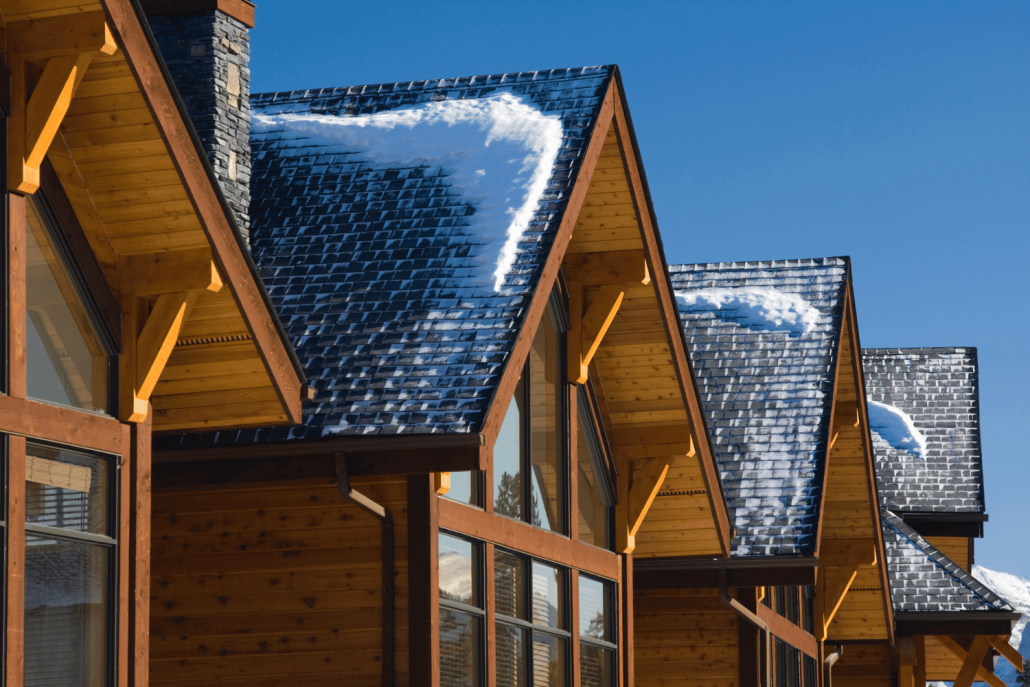
Freeze Warning: How Fairfax, VA Homeowners Can Winter-Proof Their Roof This Fall
As fall transitions into winter in Fairfax County, VA, fluctuating temperatures and early frosts expose vulnerabilities in your roof. Without proper care, small issues like clogged gutters or uneven attic heat can lead to costly roof damage.
This guide explains how to prepare your home for winter and safeguard your property from freeze damage across the Central Virginia region.
Key Takeaways
- Early winter preparation in Fairfax keeps roofs safe from freeze damage, leaks, and sudden temperature changes.
- Strong insulation and balanced ventilation prevent heat loss, ice dams, and moisture problems during long, cold months.
- Clean gutters, sealed flashing, and trimmed branches protect roofs from water buildup and storm debris damage.
- Trusted local roof inspections and certified services ensure lasting protection for Northern Virginia homes each winter.
Key Steps to Winter-Proof Your Roof Before Fairfax County’s First Freeze
Northern Virginia can bring heavy snow, sleet, and rapid temperature swings.
Taking these proactive steps before the first freeze ensures your roof is prepared for harsh weather systems that may affect the region as early as November and into February and March.
Schedule a Roof Inspection Early
A professional roof inspection identifies signs of wear such as cracked shingles, missing flashing, or soft spots on the deck. Local roofing experts understand how seasonal temperature changes affect materials and can suggest repairs before snowfall arrives. Early inspection is one of the most effective ways to protect your roof from freeze warning conditions, often reported in Fairfax.
Homeowners should also request a detailed inspection report that highlights the age of roofing materials, granule loss, and any moisture under the shingles. This information helps plan timely repairs or replacements before winter storms make access more difficult.
Check and Improve Attic Insulation
Inadequate insulation allows warm air to escape, creating conditions for ice dams and condensation. Inspect insulation thickness and seal gaps where warm air may leak. Balanced insulation improves indoor comfort and enhances the structural integrity of your roof by keeping cold air outside and warm air inside.
It’s also worth checking the attic’s vapor barrier and insulation R-value.
Fairfax County homes often benefit from R-38 or higher insulation to maintain efficiency during extended cold periods. Proper insulation not only prevents ice dams but also lowers heating costs—an added advantage during long winter months.
Clear Gutters and Roof Valleys
Leaves, twigs, and granules can clog gutters, causing water to freeze and weigh down roof edges. Cleaning your gutters before November ensures proper water flow and prevents ice buildup. It’s a simple but effective tip to avoid ice-related issues in Fairfax homes.
After cleaning, consider installing gutter guards or mesh covers.
These prevent future blockages while allowing meltwater to drain freely. Homeowners in heavily wooded neighborhoods near Fairfax should also check roof valleys, where debris often collects and traps moisture.
Seal Cracks Around Flashing and Vents
Apply caulk or silicone sealant around flashing and roof penetrations to block water entry. This creates a vital defense against leaks that result from freeze-thaw cycles. Check flashing at skylights, chimneys, and vents—these areas are most exposed during winter weather that includes snow and rain.
If flashing shows corrosion or detachment, replace it before temperatures drop. Using high-quality roofing sealant and weather-resistant materials will ensure the repair lasts through multiple seasons.
Trim Back Overhanging Tree Branches
Branches hanging over your roof can drop snow and ice, scratching shingles or affecting overall roof stability. Trimming them early helps with safe snow removal and keeps your roof clear during winter weather.
Additionally, branches rubbing against the roof during high winds can dislodge shingles or damage gutters. Maintaining a six- to ten-foot clearance between branches and the roofline minimizes these risks while allowing sunlight to melt snow more evenly.
How to Maintain Roof Strength and Safety Throughout Fairfax’s Winter Months
Monitor for Ice Dams
Ice dams form when attic heat melts snow, which then refreezes at the eaves. These can trap water beneath shingles, leading to leaks. Watch for icicles or uneven snow melt, as they’re clear signs of poor ventilation that needs attention.
If ice dams develop, avoid chipping at them, as this can damage shingles.
Instead, improve attic ventilation or use roof-safe ice melt products to encourage drainage. Professional roofers can also install heat cables to help prevent buildup in chronic trouble spots.
Watch for Wind or Storm Damage
After each winter storm, inspect your roof from the ground.
Look for lifted shingles or displaced flashing. Prompt response prevents small problems from developing into serious roof damage that could compromise your home’s structural integrity.
Wind gusts during winter storms often exceed 40 mph in Northern Virginia, loosening shingles and ridge caps. If you spot debris, contact a certified roofer for a post-storm inspection. Even small areas of damage can allow moisture to seep in, leading to hidden leaks once temperatures rise again.
Keep Attic Airflow Balanced
Proper airflow supports consistent roof deck temperature. Ridge and soffit vents help move warm air out and reduce condensation. A balanced ventilation system can improve your roof’s overall performance throughout the winter season.
When inspecting ventilation, ensure soffit vents are not blocked by insulation or debris.
You should also check for any signs of moisture on rafters or roof sheathing, which may signal inadequate airflow. Balanced ventilation not only protects your roof but also preserves your home’s indoor air quality.
Consider Installing Ice and Water Shields
In areas prone to heavy snow, installing ice and water shields beneath shingles adds another line of defense for your roof. This upgrade helps protect vulnerable portions of the roof and prevents leaks during extended freeze-thaw events.
These underlayment membranes are particularly useful in roof valleys and eaves, where meltwater tends to collect. For Fairfax homeowners considering roof replacement, investing in an ice and water shield is one of the most effective long-term strategies for winter protection.
Reliable Roof Protection for Fairfax Homes
Even with careful preparation, winter weather can still challenge local roofs. Routine inspections, preventive repairs, and expert maintenance ensure your home stays secure against the effects of the season.
Cold temperatures affect every element of your roof—from shingles and flashing to insulation and ventilation—especially during freeze warnings across Fairfax County. Having a trusted local contractor like Dream Home Roofers helps you assess and address any damage that may arise next month or later in the season, as forecasts evolve.
Schedule a professional inspection to integrate safety-focused strategies into your winter roofing projects. As an Owens Corning Platinum Preferred Contractor, their certified services provide complete protection for homeowners across Northern Virginia.
Frequently Asked Questions
What is the best way to prevent ice dams in Fairfax homes?
Ensure your attic has proper insulation and ventilation. A balanced attic temperature prevents uneven melting and refreezing along the eaves.
Can heavy snow cause permanent roof damage?
Yes. Accumulated snow can add significant weight and cause leaks if it freezes repeatedly. Timely snow removal and inspections help prevent lasting roof damage and protect your home’s overall stability.
How do I know if my attic insulation is adequate?
Check for exposed joists or drafts. If you notice cold air leaks, your insulation may need upgrading to maintain comfort and energy efficiency during cold weather.
When should I schedule a winter roof inspection?
Schedule before the first freeze or early in the season. However, inspections in February or March can still help detect and resolve emerging issues across Fairfax County.
Should I clear snow off my roof myself?
It’s best to hire a professional for snow removal, especially after heavy storms. Professionals use equipment designed to remove snow without damaging shingles or gutters, ensuring your safety and preserving your roof’s condition.
 501 NJ‑168, Turnersville, NJ 08012