
Storm Damage Warning Signs Turnersville Homeowners Should Check Before the Summer Storm Season
Date Modified: July 16, 2026
Spring weather in Turnersville, NJ, brings strong winds, heavy rain, and occasional hail. These conditions often impact roofing systems, especially asphalt shingles, without showing clear interior signs. As summer storms approach, small issues can quickly develop into more serious problems that are harder to put off. Recognizing early signs of storm damage on asphalt shingles allows homeowners to act before conditions worsen.
Key Takeaways
- Roof damage after spring storms often remains hidden until stronger summer weather exposes underlying issues.
- Missing shingle granules and lifted asphalt shingles signal that protective layers have weakened.
- A wind damage roof inspection identifies loose or vulnerable materials before leaks develop.
- A roof inspection before summer storms supports long-term performance and reduces the risk of unexpected issues.
Key Storm Damage Warning Signs on Turnersville Roofs
Seasonal weather in the area consistently stresses roofing materials.
These warning signs often appear after spring storms and deserve prompt attention, especially when evaluating whether conditions may lead to more extensive issues that require a roof replacement if left unaddressed.
Missing Shingle Granules After Heavy Rainfall
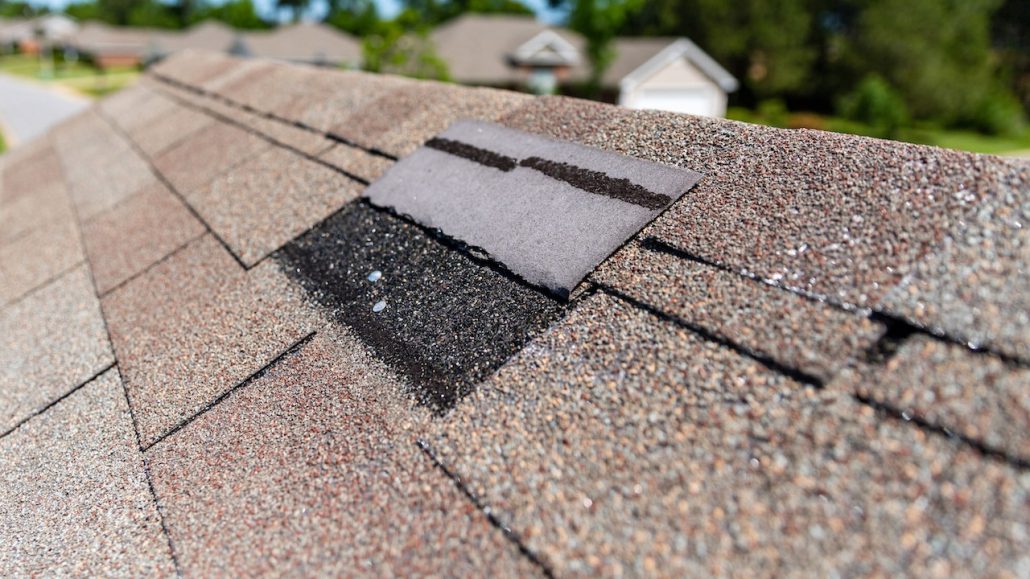
Granule loss is one of the most common signs of storm damage on asphalt shingles. After heavy rain, homeowners often notice dark patches on shingles or granules collecting in gutters. This loss reduces UV protection and accelerates wear, especially during the hotter summer months in the area.
Lifted Asphalt Shingles From Strong Wind Gusts
Strong winds during spring storms can loosen the adhesive strips that hold shingles in place. Lifted asphalt shingles may look intact at first, but they create openings that allow wind-driven rain to enter. Repeated lifting weakens the structure and increases the risk of displacement, which is why a timely roof inspection can help identify early-stage damage before it spreads.
Hail Damage on Shingles That Leaves Impact Marks
Hail damage on shingles often shows as small dents or bruised areas where granules have been removed. These impact points weaken the surface and reduce the roof’s ability to shed water effectively. Even brief hail events in the region can create lasting vulnerabilities.
Subtle Signs of Roof Damage After Spring Storms
Some storm damage develops in less obvious ways that do not overlap with surface-level issues like granule loss or hail marks. Homeowners may notice slight shingle misalignment, exposed nail heads, or small gaps along ridge caps after fluctuating spring temperatures in the area. These structural shifts often indicate early fastening or sealing problems that can worsen under repeated summer storm cycles.
Inspection Priorities Before Summer Storms Arrive
Preparing early helps reduce the impact of severe seasonal weather.
Focusing on key areas during a roof inspection before summer storms helps prevent avoidable damage, especially when supported by a detailed roof inspection process that evaluates vulnerable sections of the roofing system.
Checking Shingle Edges and Seal Integrity
Inspecting shingle edges helps identify areas where wind has broken the seal. In Turnersville, NJ, spring storms often alternate between warm afternoons and cooler nights, which can weaken adhesive bonds more quickly than in more stable climates. This temperature fluctuation makes shingles more vulnerable to lifting and water intrusion as summer storms approach.
Evaluating Flashing Around Roof Penetrations
Flashing protects areas where the roof meets vents, chimneys, and skylights, which are common stress points during wind-driven rain. Spring storms in the region often bring directional winds that push water beneath improperly sealed flashing. A focused evaluation helps identify early separation or lifting that could allow water intrusion during heavier summer downpours.
Assessing Gutters for Granule and Debris Buildup
Gutters in the area often collect more than just rainwater after spring storms, including shingle granules, seed pods, and organic debris from surrounding trees. This buildup can highlight specific wear patterns across different roof sections rather than general damage. Reviewing these materials closely helps pinpoint where runoff is carrying protective layers off the roof surface, and, in some cases, installing gutter guards can reduce debris buildup and improve drainage efficiency over time.
Reviewing Overall Roof Surface for Uneven Wear
A full roof review can reveal uneven wear or localized damage. In Turnersville, NJ, homes often experience directional wind exposure from seasonal storm paths, which can wear down specific roof sections faster than others. Identifying these patterns early helps homeowners plan before stronger summer systems add more stress.
Stop Small Storm Damage From Turning Into Costly Roof Replacement Problems
Dream Home Roofers helps local homeowners address early storm damage before it develops into widespread shingle failure and costly full-roof replacements. Homeowners ready to move forward can contact us for a clear assessment of whether visible concerns indicate deeper structural issues or normal wear so that they can make confident decisions ahead of summer weather.
Frequently Asked Questions
What are the most common signs of storm damage on asphalt shingles?
Common signs include missing shingle granules, lifted asphalt shingles, and visible hail-damage impact marks on shingles. These issues often appear after spring storms and can worsen if not addressed before stronger summer weather arrives.
Why is a roof inspection before summer storms important?
A roof inspection before summer storms helps identify hidden damage caused by earlier weather events. Addressing these issues early reduces the risk of leaks, structural concerns, and more extensive damage during periods of heavy rain and high winds.
How does wind damage affect asphalt shingles over time?
Wind damage can loosen shingles and break their adhesive seals, allowing them to lift repeatedly. Over time, this movement weakens the roofing system and increases the likelihood of water intrusion during future storms.
Can hail damage on shingles lead to long-term problems?
Yes, hail damage on shingles can create weak spots where granules are lost. These areas become more vulnerable to moisture and UV exposure, which can shorten the lifespan of the roofing system if left unaddressed.
 501 NJ‑168, Turnersville, NJ 08012