
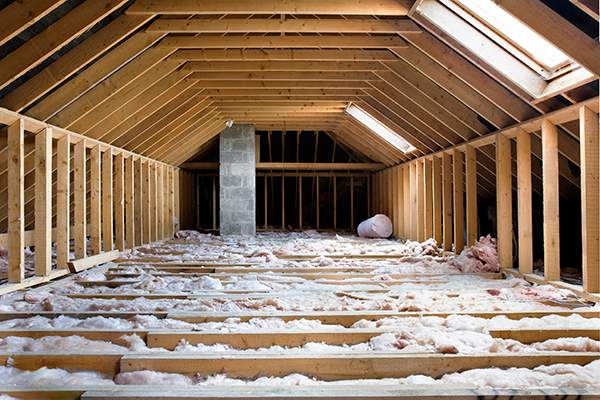
How Attic Ventilation Prevents Roof Wear in Northern Virginia
Date Modified: January 12, 2026
Attic ventilation is the pathway that moves warm, humid air out of the attic while drawing in drier outside air. For homeowners researching how attic ventilation influences roof performance in Fairfax VA homes, these same airflow principles apply across Northern Virginia.
Across Northern Virginia, extended summer heat, high humidity, and cold winter temperatures create frequent swings inside attic spaces. In a ventilated attic, proper ventilation helps limit heat buildup and moisture buildup that can otherwise stress the roof system and the entire home.
Key Takeaways
- Attic airflow patterns can reduce hidden heat buildup and humidity that contribute to uneven shingle aging and comfort challenges.
- Indoor temperature inconsistencies may reflect attic exposure conditions that influence insulation behavior and energy efficiency.
- Early identification of a blocked airflow path can clarify whether roof wear relates to exposure rather than surface damage.
- Climate-driven attic stress in Virginia can affect how often homeowners notice odors, staining, or winter roof edge concerns.
How Attic Ventilation Affects Roof Materials Over Time
Air movement in the attic shapes the exposure environment that roofing materials experience each day. When warm air rises and remains trapped, the roof deck and underside of shingles stay hotter for longer periods, extending the duration of thermal loading across the roof system.
Moisture exposure follows similar patterns. Water vapor produced by normal household activities moves upward into the attic. When airflow is limited, that vapor can linger and condense on cooler surfaces, lengthening contact with wood and metal components.
Heat Retention Patterns and Heat Buildup
Heat retention in an attic often peaks when solar gain warms the roof surface and warm air cannot exit efficiently. As attic temperatures remain elevated, shingles are exposed to longer heating cycles that can contribute to premature aging through granule loss and gradual stiffening.
Thermal exposure is rarely uniform. Roof valleys, ridges, and areas around penetrations may experience different temperature profiles depending on airflow paths and attic vents. These variations can contribute to uneven wear patterns that develop earlier in certain sections of the roof than others.
Moisture Interaction With Structural Components
Moisture interaction begins when rising water vapor contacts surfaces cool enough for condensation to form. Roof decking and framing often become these contact points during overnight temperature drops, transitional seasons, or winter cold snaps, especially when moisture buildup persists.
As elevated moisture persists, material responses become more pronounced. Mold growth may develop on wood surfaces when humidity remains high. Metal fasteners and connectors can corrode in damp environments, and wood components can shift as moisture levels fluctuate over years.
Indoor Comfort and Energy Transfer Effects
The attic sits directly above conditioned living space, making its temperature influential on indoor conditions. When attic air stays hot, heat can transfer downward through insulation gaps, attic access points, and other ceiling penetrations, increasing the workload on cooling equipment.
During colder months, moisture within the attic can affect insulation performance. Damp insulation allows air to move differently through its fibers, which can reduce energy efficiency and make rooms feel harder to keep consistent even when heating equipment operates normally.
Cold-Season Stress Responses and Ice Dams
Cold-season stress develops when attic temperatures vary across the roof plane. Warmer sections may promote localized melting on the roof surface, while colder edges encourage refreezing that can contribute to ice dams along eaves.
Ventilation does not remove winter weather exposure, but it influences how closely attic temperatures track outdoor conditions. A balanced system that pairs intake vents with exhaust vents helps limit uneven melt patterns that can increase wear potential in vulnerable areas.
When Attic Ventilation Conditions Warrant Evaluation
Once exposure mechanisms are understood, attention shifts toward recognizing when attic conditions justify closer review. Ventilation concerns rarely appear as a single clear symptom. Instead, homeowners often notice a combination of comfort changes, moisture indicators, or recurring roof observations that suggest an attic ventilation system is not moving air as intended.
Check For Persistent Attic Heat
Attics naturally warm during summer, but heat that remains intense well into the evening can indicate limited air exchange. A stagnant feel near the roof deck, especially after sunset, may suggest warm air is not exiting through exhaust ventilation pathways.
Heat-related signs can also appear indoors. Upper floors that remain warmer than expected, noticeable temperature differences between levels, or cooling cycles that feel extended may align with elevated attic temperatures. These observations alone do not confirm a ventilation problem, but they help build context.
Watch For Moisture-Related Indicators
Moisture indicators often include musty odors, visible staining on attic wood, or insulation that appears matted or damp. During winter, frost on nails or framing members can signal moisture lingering in the attic during cold periods.
Condensation patterns may be intermittent. After cold nights followed by daytime warming, dampness can appear on decking or around fasteners. Even without visible mold, repeated damp conditions suggest moisture is not clearing as quickly as expected.
Address Recurrent Roof Wear Patterns
Roof wear that appears earlier than anticipated may relate to exposure conditions beneath the roof surface. Uneven shingle aging, repeated issues near penetrations, or recurring concerns in valleys and along edges can indicate ventilation-related influences.
A roof evaluation can help distinguish isolated exterior damage from exposure-driven wear. In that context, roof inspections provide a structured way to review intake and exhaust balance, attic conditions, and roof assembly details together.
Trusted Attic Ventilation Solutions for Northern Virginia Homes
Ventilation concerns are common throughout Northern Virginia and are often identifiable through careful review of airflow pathways and attic conditions. Dream Home Roofers approaches ventilation assessment by examining how intake and exhaust points interact, whether vent placement aligns with roof layout, and how attic conditions respond to seasonal temperature and humidity patterns.
For homeowners seeking a clear, low-pressure next step, a professional review can document current conditions and explain observed attic and roof assembly behavior. Roofing services can support that process by connecting ventilation findings to shingle condition and overall home comfort, helping families breathe easier without guesswork. Homeowners interested in a free estimate can request an evaluation at a time that fits their schedule through our contact page.
Frequently Asked Questions
Homeowners often have follow-up questions about attic ventilation and what it means for roof condition and indoor comfort.
How much attic ventilation does my home need?
Ventilation needs depend on attic square footage, roof pitch, insulation depth, and ceiling air leakage. Many guidelines use net free vent area targets, but results improve when intake and exhaust are balanced rather than relying on vent quantity alone.
Can poor attic ventilation affect my roof warranty?
Some manufacturers include proper ventilation requirements in installation instructions. If premature aging, heat-related damage, or moisture-related deterioration occurs, warranty evaluations may consider whether attic ventilation and exhaust ventilation conditions aligned with stated guidelines at installation.
Is attic ventilation important in both hot and cold climates?
Attic ventilation matters in summer and winter because it manages heat buildup in warm months and moisture buildup during cold periods. Cold climates can add ice dam risks, while humid summers increase condensation potential, so year-round airflow remains important.
How long does it take to correct attic ventilation problems?
Timeframes vary based on attic accessibility, roof design, and whether blocked intake vents or exhaust vents need adjustment. Many changes can be completed in a day, while complex roof layouts or limited access may extend the project timeline.
 501 NJ‑168, Turnersville, NJ 08012